
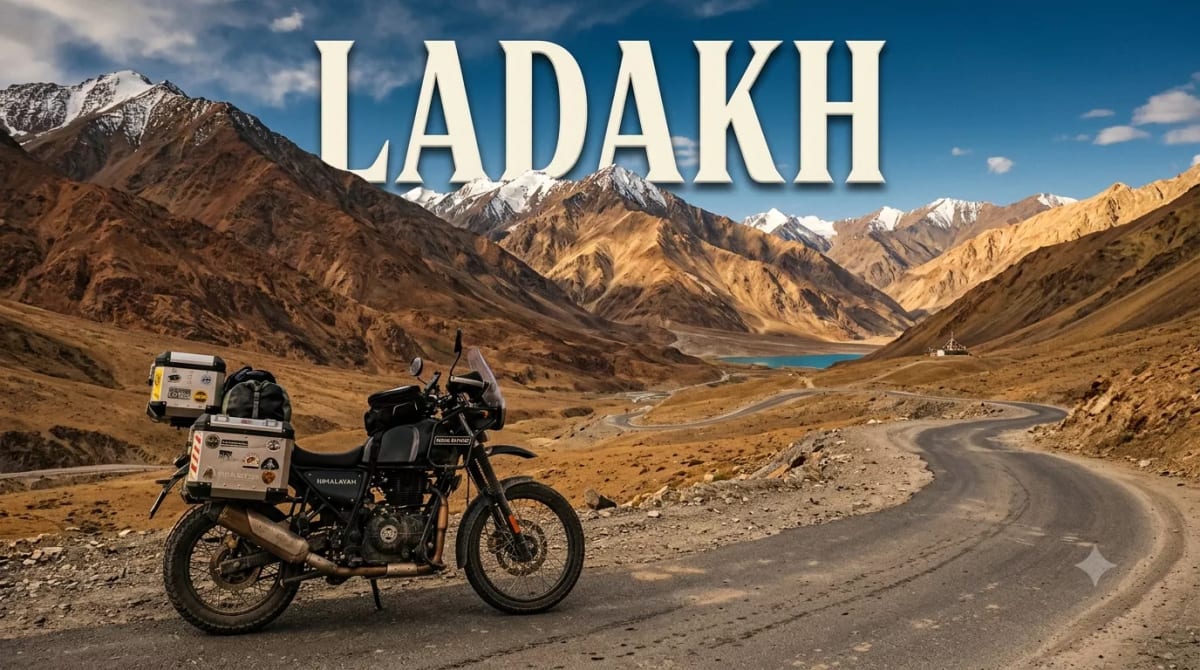
From Pangong Tso’s changing blue waters to Nubra Valley’s cold desert and ancient monasteries, Ladakh offers a Himalayan journey unlike any other. Explore its most memorable places, practical itineraries and essential travel advice with TravelTech.
1. Introduction: Welcome to Ladakh
Ladakh is a high-altitude region in northern India, known for dramatic Himalayan landscapes, ancient Buddhist monasteries, winding mountain roads, turquoise lakes and remote villages. Its landscape shifts between rocky mountains, wide valleys, cold deserts and snow-covered peaks.
Leh is the main base for most visitors, offering access to popular destinations such as Nubra Valley, Pangong Tso and the Indus Valley monasteries. But Ladakh is more than a collection of scenic viewpoints. Its culture, traditional architecture, local food and close connection with the mountains make the experience equally memorable.
A successful Ladakh trip needs thoughtful planning. High altitude, changing weather, long driving distances and seasonal road access can affect your itinerary. Give yourself time to acclimatise, travel responsibly and leave room for unexpected changes.
2. The Soul of Ladakh: History, Culture and Traditions
A Land Shaped by Ancient Trade Routes
Ladakh historically connected parts of Central Asia, Tibet and the Indian subcontinent through mountain trade routes. Traders, travellers and religious teachers influenced its culture, architecture and traditions over centuries.
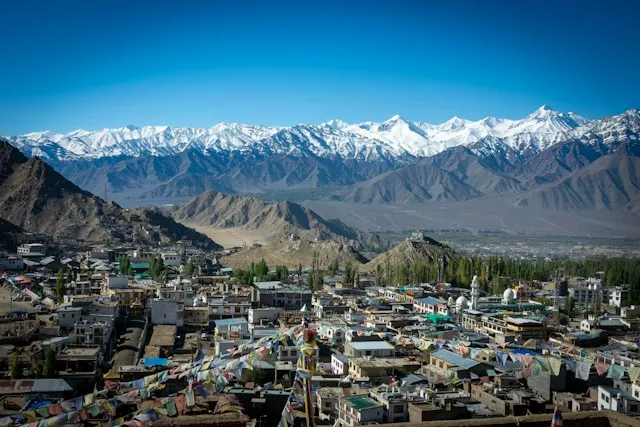
Leh developed as an important trading centre, while its palace, old town and traditional houses reflect the region’s historic connections and local building styles.
Buddhist Heritage and Monasteries
Tibetan Buddhist traditions have a strong influence on Ladakhi life. Monasteries serve as religious centres, places of learning and custodians of art, murals, manuscripts and ritual practices.
Some important monasteries include:
Hemis Monastery: Known for its religious heritage and annual Hemis festival.
Thiksey Monastery: Recognised for its hilltop setting and impressive monastery complex.
Alchi Monastery: Famous for its historic Buddhist artwork and murals.
Diskit Monastery: An important spiritual landmark in Nubra Valley.
Lamayuru Monastery: Associated with the distinctive landscape around Lamayuru village.
Visitors should dress respectfully, follow monastery rules and ask permission before photographing people or religious ceremonies.
Festivals and Local Life
Hemis Festival is among Ladakh’s best-known cultural celebrations, featuring traditional masked dances and religious observances. Losar, the Ladakhi New Year, is another important celebration, with dates and customs connected to the local calendar.
Festival schedules can change, so check official announcements before planning a trip around a particular event.
3. Best Time to Visit Ladakh
The best time depends on the kind of experience you want, the roads you plan to use and your comfort with cold weather.
Season | Months | Mood and experience |
|---|---|---|
Spring | March–April | Quiet, crisp and transitional, with cold conditions and limited access to some routes |
Summer | May–August | The main sightseeing season, with longer days and many popular routes accessible depending on conditions |
Autumn | September–October | Clear mountain views, cooler evenings and a calmer atmosphere after peak summer |
Winter | November–February | Snowy landscapes, intense cold and a more demanding travel experience |
Best overall period: June to September is generally popular for conventional sightseeing, but conditions vary by year and route. Some high mountain passes may open later or close earlier than expected.
For lakes and mountain drives: Choose the main summer travel season, subject to road conditions.
For fewer crowds: Consider the shoulder season, while checking access and accommodation availability.
For winter experiences: Travel with an experienced local operator and confirm transport, heating and road arrangements in advance.
5. Best Places to Visit in Ladakh
1. Leh and Leh Palace
Suggested time: Half a day to one day
Leh is the main gateway to Ladakh, with traditional markets, cafés, historic streets and access to nearby monasteries. Leh Palace overlooks the town and offers insight into the region’s royal history and traditional architecture.
What to do: Explore the old town, visit the palace, browse local shops and enjoy a relaxed café stop.
Travel tip: Keep the first day light. Avoid strenuous walks immediately after arriving at high altitude.
2. Shanti Stupa
Suggested time: 1–2 hours
Shanti Stupa stands on a hill above Leh and offers wide views of the town and surrounding mountains. It is a peaceful place to visit, particularly when the light changes around sunset.
What to do: Enjoy the panoramic views and observe the site respectfully.
3. Hall of Fame
Suggested time: 1–2 hours
The Hall of Fame near Leh commemorates the service and sacrifices of Indian Army personnel. Its exhibits offer visitors a chance to learn about the region’s military history and challenging terrain.
What to do: Explore the displays and check current visiting arrangements before travelling.
4. Pangong Tso
Suggested time: 1–2 days, depending on the itinerary
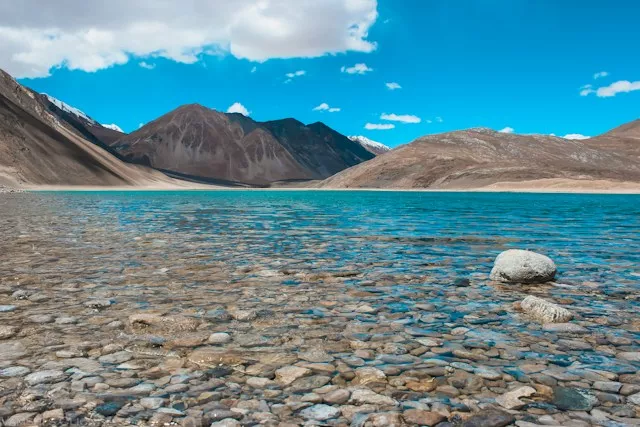
Pangong Tso is a high-altitude lake known for its vast setting and changing shades of blue. The landscape around it is strikingly open, with barren mountains rising around the water.
What to do: Enjoy the views, take photographs from permitted areas and spend time appreciating the quiet landscape.
Travel tip: The drive is long, and the altitude is significant. Confirm road conditions, accommodation and any required permits or permissions before departure. Follow local rules and do not litter near the lake.
5. Nubra Valley and Hunder Sand Dunes
Suggested time: 1–2 days
Nubra Valley combines mountain scenery, river valleys, villages and cold-desert landscapes. Hunder is known for its sand dunes and, in suitable areas, Bactrian camel experiences.
What to do: Explore Hunder, enjoy the valley views and visit nearby villages.
Travel tip: Check the availability and welfare standards of camel rides before participating.
6. Diskit Monastery
Suggested time: 1–2 hours
Diskit Monastery is one of Nubra Valley’s important religious landmarks. Its elevated setting offers sweeping views across the surrounding landscape.
What to do: Visit the monastery, learn about its religious significance and enjoy the views from permitted areas.
7. Khardung La
Suggested time: A short stop, depending on road and weather conditions
Khardung La is a high mountain pass on the route commonly used between Leh and Nubra Valley. The drive offers dramatic mountain scenery, but the altitude and weather require caution.
What to do: Stop only where permitted and enjoy the mountain views.
Travel tip: Do not linger if you feel unwell. Road access and restrictions can change, so follow local instructions.
8. Tso Moriri
Suggested time: 2–3 days or more, depending on the route
Tso Moriri is a remote high-altitude lake surrounded by mountains and open landscapes. It is often chosen by travellers seeking a quieter experience away from the busiest sightseeing circuits.
What to do: Enjoy the scenery, observe wildlife from a distance and experience the stillness of the region.
Travel tip: The journey requires additional planning for altitude, transport, accommodation and road conditions. Avoid adding it to a packed itinerary.
9. Tso Kar
Suggested time: Half a day or longer as part of a longer route
Tso Kar is a high-altitude lake area known for its open landscape and ecological importance. It can appeal to travellers interested in nature, photography and birdlife.
What to do: Observe the landscape and wildlife quietly from appropriate locations.
Travel tip: Stay on established routes and avoid disturbing birds or other animals.
10. Hemis Monastery
Suggested time: 1–2 hours
Hemis Monastery is an important Buddhist monastery in Ladakh, known for its cultural heritage and annual festival.
What to do: Explore the monastery’s accessible areas and learn about its traditions. If attending the festival, confirm the dates and arrangements in advance.
11. Thiksey Monastery
Suggested time: 1–2 hours
Thiksey Monastery sits on a hillside and is known for its tiered architecture, religious spaces and views over the Indus Valley.
What to do: Explore the permitted areas and appreciate the monastery’s architecture and atmosphere.
12. Alchi Monastery
Suggested time: Half a day, including travel
Alchi is known for its historic Buddhist art and murals. It offers a different experience from the dramatic hilltop settings of some other monasteries.
What to do: Explore the heritage site and learn about its artwork and religious history.
Travel tip: Follow restrictions around historic paintings and interiors, and avoid touching fragile surfaces.
13. Lamayuru
Suggested time: Half a day to one day, depending on your starting point
Lamayuru is known for its monastery and unusual eroded landscape. The village makes an interesting stop for travellers exploring the western side of Ladakh.
What to do: Visit the monastery, enjoy the surrounding views and explore the village respectfully.
14. Magnetic Hill and Gurudwara Pathar Sahib
Suggested time: 1–2 hours combined, depending on travel time
Magnetic Hill is a well-known roadside stop where the surrounding terrain creates an optical illusion. Nearby, Gurudwara Pathar Sahib is a Sikh place of worship with religious significance.
What to do: Stop at permitted viewpoints and visit the gurudwara respectfully.
Travel tip: Follow road safety instructions and do not stop in unsafe traffic areas.
15. Turtuk Village
Suggested time: One day or an overnight stay
Turtuk is a village in the Nubra region known for its distinctive cultural heritage, traditional settlements and agricultural landscape. Its local identity differs from that of Leh and other parts of Ladakh.
What to do: Walk through permitted village areas, learn about local traditions and try regional food where available.
Travel tip: Ask before photographing residents or entering private spaces. Check current access requirements before travelling.
16. Hanle
Suggested time: At least 2 days as part of a longer itinerary
Hanle is a remote settlement known for its expansive landscapes and dark skies. It attracts travellers interested in astronomy and stargazing, when weather and visibility cooperate.
What to do: Enjoy the night sky from permitted locations and learn about the region’s scientific and cultural importance.
Travel tip: Access rules, road conditions and accommodation options need checking before the trip. Do not plan a rushed out-and-back visit.
17. Kargil and Suru Valley
Suggested time: 2–4 additional days, depending on the route
Kargil is an important town on the Srinagar–Leh route. Suru Valley, further along the region’s western side, offers river landscapes, villages and views of striking mountain ranges.
What to do: Explore local settlements, appreciate the scenery and plan suitable stops along the route.
Travel tip: Allow extra time for driving and check current road conditions before making onward plans.
18. Zanskar Valley
Suggested time: Several additional days
Zanskar is known for remote villages, rugged mountains, monasteries and adventure opportunities. It is better suited to travellers who can dedicate extra time to the journey.
What to do: Explore local culture, take suitable guided excursions and enjoy the remote mountain environment.
Travel tip: Do not treat Zanskar as a quick side trip from Leh. Road access, season and journey time should determine whether it fits your plans.
6. Best Things to Do in Ladakh
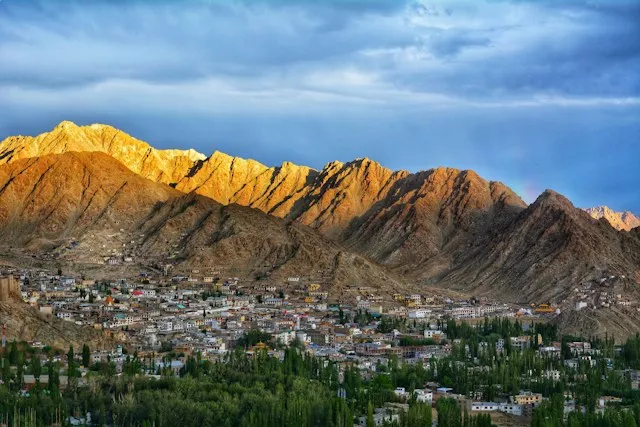
Experience the Mountain Roads
Road journeys are a major part of a Ladakh trip. The changing scenery between Leh, Nubra Valley and Pangong Tso makes the journey as memorable as the destination. Choose a reliable driver and allow enough time for breaks.
Go on a Motorcycle Trip
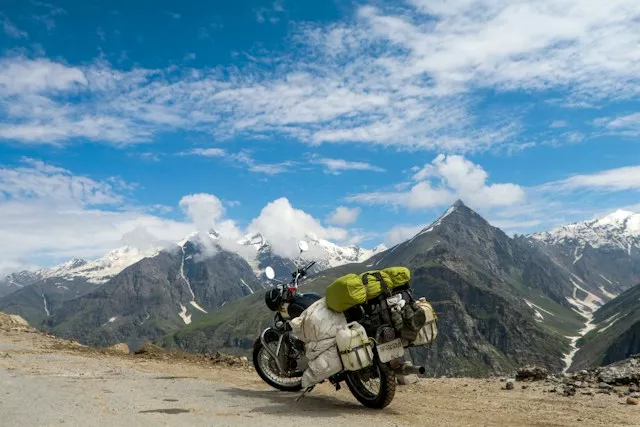
Motorcycle travel is popular among adventure enthusiasts. However, high-altitude riding requires experience, suitable protective equipment and a motorcycle appropriate for the route.
If you are a beginner, consider a professional driver or guided trip instead of learning on difficult mountain roads.
Explore Buddhist Monasteries
Visit monasteries such as Hemis, Thiksey, Diskit and Alchi to understand Ladakh’s religious traditions and heritage. Check visiting hours and respect rules around prayer halls and ceremonies.
Photograph Lakes and Landscapes
Ladakh offers dramatic opportunities for landscape photography, from Pangong Tso to the cold desert of Nubra. Weather can change quickly, so protect your equipment and never put yourself in danger for a photograph.
Enjoy Local Food
Try regional dishes in local cafés and family-run establishments. Ask about ingredients and availability, particularly if you have dietary restrictions.
Go Stargazing
Remote areas can offer beautiful night skies when the weather is clear. Hanle and other dark-sky locations may suit this interest, but plan around access restrictions, local guidance and safe accommodation.
Take a Guided Trek
Ladakh has trekking opportunities ranging from shorter walks to demanding multi-day routes. Choose a trek suited to your fitness and acclimatisation, and use qualified local guides where appropriate.
Experience Local Villages
Village visits offer a chance to learn about traditional homes, agriculture, local food and daily life. Travel respectfully, support local businesses and avoid treating private homes or religious spaces as tourist attractions.
7. Ladakhi Food, Culture and Shopping
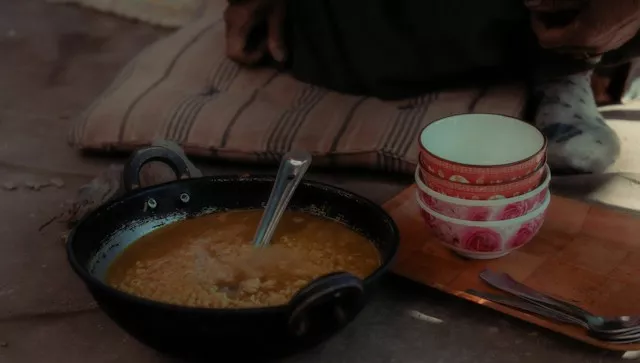
Famous Food to Try in Ladakh
Thukpa: A warming noodle soup, often served with vegetables or meat.
Momos: Steamed or fried dumplings with different fillings.
Skyu: A traditional Ladakhi dish made with dough pieces and vegetables, sometimes with meat.
Mokthuk: A dumpling soup, with recipes varying by kitchen.
Chhutagi: A traditional pasta-like dish commonly prepared with vegetables or meat.
Butter tea: A traditional salty tea prepared in many Ladakhi households.
Apricot products: Seasonal apricots, dried fruit and locally made apricot products.
Availability varies by restaurant and season. Vegetarian travellers can find suitable options, but should confirm ingredients and preparation methods.
Culture and Local Etiquette
Ladakh’s culture reflects its Himalayan environment, Buddhist heritage and diverse communities. Respectful travel makes visits to monasteries and villages more meaningful.
Dress modestly at religious sites.
Ask before photographing people.
Remove footwear where requested.
Follow instructions around prayer halls and sacred objects.
Respect local customs and avoid loud behaviour at religious sites.
Do not litter, disturb wildlife or damage fragile landscapes.
What to Buy in Ladakh
Leh’s main market is a convenient place to browse local products and souvenirs.
Consider buying:
Woollen clothing and locally made handicrafts.
Apricot products, where available.
Prayer flags and souvenirs from reputable shops.
Locally made jewellery and decorative items.
Traditional products from local artisans.
Check the authenticity and origin of premium products such as pashmina before purchasing. Support local sellers and avoid buying wildlife products or items made from protected species.
8. Ladakh Itineraries: 4 Nights to 10 Days
Ladakh itineraries depend on your arrival time, acclimatisation, road conditions and the destinations you want to cover. The following plans are suggested routes, not fixed schedules. Keep your first two days in Leh relatively relaxed, and allow extra time for long mountain drives and unexpected delays.
4 Nights / 5 Days: Leh and Nubra Valley
Best for: Travellers with limited time who want to explore Leh and Nubra Valley without rushing through too many destinations.
Day 1: Arrive in Leh — Transfer to your accommodation and rest. Avoid strenuous activity after arrival.
Day 2: Acclimatise in Leh — Take it easy and explore nearby areas only if you feel well and local guidance permits. Keep the day flexible.
Day 3: Leh to Nubra Valley — Travel via Khardung La, subject to road and weather conditions. Visit Diskit Monastery or Hunder if time and conditions allow. Stay overnight in Nubra.
Day 4: Nubra Valley to Leh — Enjoy a relaxed morning before returning to Leh. Allow sufficient time for the mountain drive and possible delays.
Day 5: Depart from Leh — Transfer to the airport for your onward journey.
Planning note: This is a compact itinerary, and it does not include Pangong Tso. The Nubra–Leh return drive also takes up a substantial part of Day 4. If you prefer a slower pace, add another night.
5 Nights / 6 Days: Leh, Nubra Valley and Pangong Tso
Best for: Travellers who want to cover Ladakh's main highlights in a limited number of days and are comfortable with long drives.
Day 1: Arrive in Leh — Check in, rest and allow your body to adjust to the altitude.
Day 2: Acclimatise in Leh — Keep activities light. Explore nearby attractions only if you feel well and it is appropriate to do so.
Day 3: Leh to Nubra Valley — Travel via Khardung La, depending on current road conditions. Explore Diskit or Hunder and stay overnight in Nubra.
Day 4: Nubra Valley to Pangong Tso — Travel via a currently accessible route, subject to local restrictions and road conditions. Expect a long drive and stay overnight near Pangong if accommodation is available.
Day 5: Pangong Tso to Leh — Enjoy the lake in the morning, then return to Leh. Allow plenty of time for the journey.
Day 6: Depart from Leh — Take your onward flight or continue your journey.
Planning note: This itinerary is possible only when the selected route and road conditions permit. It leaves limited flexibility for delays. Confirm the Nubra–Pangong route and current access arrangements before booking. Travellers who prefer a more relaxed experience should consider a longer trip.
6 Nights / 7 Days: A Flexible Ladakh Highlights Trip
Best for: Travellers who want to explore Leh, Nubra Valley and Pangong Tso with additional time for local sightseeing.
Day 1: Arrive in Leh — Transfer to your accommodation and rest.
Day 2: Acclimatise in Leh — Keep the day relaxed and avoid strenuous activities.
Day 3: Explore Leh and the Indus Valley — Visit selected nearby attractions or monasteries, depending on how you feel and the available time.
Day 4: Leh to Nubra Valley — Travel via Khardung La, subject to conditions. Visit Diskit or Hunder and stay overnight in Nubra.
Day 5: Explore Nubra Valley — Spend more time around Hunder or consider a visit to Turtuk if road conditions, travel time and local access requirements permit. Stay overnight in Nubra.
Day 6: Nubra Valley to Pangong Tso — Take a suitable route after confirming current road access. Stay overnight near the lake if accommodation is available.
Day 7: Pangong Tso to Leh — Return to Leh, allowing sufficient time for the drive.
Planning note: This itinerary uses all seven days for sightseeing and travel, so it does not include a separate departure day. If you are flying out of Leh, add an eighth day or arrange your departure for the following day after an overnight stay in Leh.
7 Nights / 8 Days: A More Comfortable First Ladakh Trip
Best for: First-time visitors who want to cover the main sightseeing circuit without packing every day too tightly.
Day 1: Arrive in Leh — Check in and rest.
Day 2: Acclimatise in Leh — Keep activities light and follow current acclimatisation guidance.
Day 3: Explore Leh and nearby monasteries — Visit selected attractions around Leh and the Indus Valley, depending on your comfort and available time.
Day 4: Leh to Nubra Valley — Travel via Khardung La, subject to conditions. Explore the valley and stay overnight.
Day 5: Explore Nubra Valley — Visit Hunder, Diskit or Turtuk, depending on your interests, route and available time. Stay overnight in Nubra.
Day 6: Nubra Valley to Pangong Tso — Follow a confirmed, accessible route and stay overnight near the lake.
Day 7: Pangong Tso to Leh — Return to Leh, allowing enough time for the mountain drive.
Day 8: Depart from Leh — Take your onward flight or continue your journey.
Planning note: This is a more practical option for many first-time visitors because it allows two nights in Nubra and a night near Pangong. However, it still requires long drives and depends on current route conditions. Tso Moriri and Hanle are not included in this circuit.
9–10 Days: Explore Beyond the Main Circuit
Best for: Travellers who want a slower itinerary, more local exploration or an extension beyond Leh, Nubra and Pangong.
Days 1–3: Arrive, acclimatise and explore Leh
Day 1: Arrive in Leh and rest.
Day 2: Acclimatise and keep activities light.
Day 3: Explore selected monasteries and nearby Indus Valley attractions.
Days 4–7: Nubra Valley and Pangong Tso
Day 4: Travel from Leh to Nubra Valley and stay overnight.
Day 5: Explore Nubra, with Turtuk as an optional visit if time and access permit.
Day 6: Travel from Nubra to Pangong Tso via a confirmed route and stay overnight.
Day 7: Return to Leh, allowing sufficient time for the journey.
Day 8: Rest or explore Leh
Keep this day flexible for rest, local sightseeing or delays. It also provides a buffer before an onward journey.
Days 9–10: Add a suitable extension and depart
Day 9: Choose an additional excursion or regional extension based on your interests, available time, road access and accommodation.
Day 10: Depart from Leh if your schedule requires it.
Planning note: If you want to visit Tso Moriri, Hanle, Kargil or Zanskar, plan the route around your chosen destination rather than treating all four as quick add-ons. These areas involve different routes and additional travel time. Some combinations may require more than 10 days, particularly when you include the main Nubra–Pangong circuit. Confirm road access, permits or other applicable requirements, and overnight arrangements before finalising your itinerary.
Which Ladakh Itinerary Should You Choose?
4 Nights / 5 Days: Choose this for a short visit focused on Leh and Nubra Valley.
5 Nights / 6 Days: Consider this if you want to include Pangong Tso and can manage a tighter schedule.
6 Nights / 7 Days: Suitable for a main-circuit trip, but add a departure day if you are flying out of Leh.
7 Nights / 8 Days: A more balanced option for first-time visitors who want Leh, Nubra and Pangong.
9–10 Days: Better for a flexible trip or a carefully planned regional extension.
Before booking, check your arrival and departure times, current road conditions, local access requirements and accommodation availability. Allow time for acclimatisation, and do not schedule an onward flight immediately after a long drive from a remote destination.
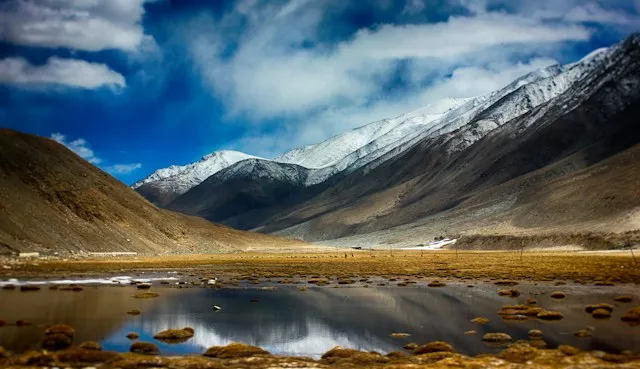
9. Ladakh Trip Cost: What Should You Budget For?
The cost of a Ladakh trip depends on your departure city, travel dates, group size, accommodation standards, transport and the number of remote destinations included.
Expense | What affects the cost |
|---|---|
Flights or train | Departure city, booking date, route and availability |
Accommodation | Guesthouse, hotel, homestay or premium stay |
Local transport | Private vehicle, shared transport or motorcycle |
Food | Café meals, restaurants and included meals |
Permits and fees | Requirements for the specific route and destination |
Activities | Guided treks, motorcycle arrangements and other experiences |
Insurance | Coverage, exclusions and emergency assistance provisions |
Extra expenses | Snacks, shopping, connectivity and unexpected delays |
How to Keep Your Budget Under Control
Travel with a group if shared transport and accommodation suit you.
Compare package inclusions, not just the headline price.
Check whether airport transfers, meals, permits, accommodation and sightseeing are included.
Keep a separate amount for unexpected weather or transport changes.
Book flights and accommodation after confirming your route and travel dates.
There is no single reliable total for every Ladakh trip. Ask for a date-specific quote based on your preferred itinerary and travel style.
10. How Many Days Are Enough for Ladakh?
4–5 days: A brief visit focused on Leh and a limited excursion.
6–7 days: A compact trip covering Leh, Nubra and potentially Pangong, depending on the schedule.
8 days: A more practical duration for the main sightseeing circuit.
9–10 days: Better for a relaxed pace and a buffer day.
11–14 days or more: Consider this if you want to add remote areas such as Tso Moriri, Hanle, Kargil or Zanskar.
The right duration depends on your health, acclimatisation, road conditions and how much time you want to spend at each destination. More destinations do not automatically make a better trip.
11. Essential Ladakh Travel Tips
Acclimatise Before Exploring
Leh sits at high altitude, so give your body time to adjust after arrival. Follow current official and medical guidance about acclimatisation, activity levels and onward travel.
Keep your arrival day restful.
Avoid strenuous exercise at first.
Stay hydrated without forcing excessive water intake.
Avoid alcohol during initial acclimatisation.
Do not ignore worsening symptoms.
Headache, nausea, dizziness and unusual fatigue can be signs of altitude illness. If symptoms are severe or worsening, seek medical help immediately; do not continue ascending. Severe breathlessness at rest, confusion or difficulty walking requires urgent medical attention.
Pack for Changing Weather
Carry layered clothing, a warm jacket, comfortable walking shoes, sunglasses, sunscreen and lip balm. Temperatures can drop considerably after sunset, even during the main travel season.
Keep Documents and Payments Ready
Carry valid identification and check the latest entry or permit requirements for your planned route. Keep some cash available because digital payments and mobile connectivity may not work everywhere.
Plan Connectivity and Transport
Check mobile-network coverage and arrange transport in advance for remote destinations. Confirm your accommodation, fuel arrangements and any local restrictions before starting long drives.
Choose Suitable Travel Insurance
Review policy terms carefully, especially exclusions relating to high altitude, trekking, motorcycle use and emergency evacuation.
Keep Your Itinerary Flexible
Weather, road closures and transport disruptions can change travel plans. Avoid scheduling important onward flights immediately after a long remote-area drive.
12. Common Mistakes to Avoid on a Ladakh Trip
Skipping acclimatisation: Arriving and immediately travelling to another high-altitude destination can increase health risks.
Planning too many destinations: Distances, road conditions and altitude make Ladakh slower to explore than it may look on a map.
Assuming every road is open: Check current road status and local advisories before departure.
Underestimating the cold: Even summer evenings can be chilly, especially near lakes and mountain passes.
Ignoring altitude symptoms: Do not dismiss worsening headaches, nausea or breathlessness.
Depending entirely on online payments: Carry cash for places with limited connectivity.
Booking without checking inclusions: Confirm transport, accommodation, meals, permits and sightseeing arrangements.
Riding without experience: Mountain roads require appropriate skills, protective gear and a suitable vehicle.
Leaving no buffer time: Keep flexibility for delays, bad weather and changes to transport.
Ignoring local customs: Respect religious places, local residents and environmental rules.
13. Is Ladakh Suitable for Every Type of Traveller?
Couples
Ladakh can be a memorable destination for couples who enjoy mountain drives, quiet landscapes and scenic stays. Choose an itinerary with enough rest rather than spending every day on the road.
Friends and Group Travellers
Group trips can make transport and planning easier, especially for people who prefer travelling with others. Confirm room-sharing arrangements, group size, transport, safety procedures and the exact itinerary before booking.
Families
Families should consider the age and health of every traveller, particularly children and older adults. High altitude can affect people differently, and a doctor’s advice may be appropriate before planning the trip.
Solo Travellers
Solo travellers can explore Ladakh with careful preparation. Confirm accommodation and transport, share your itinerary with someone you trust and avoid isolated routes without suitable arrangements.
Adventure Seekers and Bikers
Ladakh offers motorcycle routes, trekking and remote-area experiences. These activities require appropriate preparation, fitness, equipment and respect for weather and altitude limitations.
Photographers and Nature Lovers
The lakes, mountains, monasteries and open valleys offer diverse subjects. Travel responsibly, keep a safe distance from wildlife and follow restrictions at sensitive locations.
14. Nearby Destinations and Trip Combinations
The following combinations can help you plan a longer journey. Actual travel times depend on the starting point, road conditions, selected route and overnight stops.
Combination | Suggested extra time | Best suited for |
|---|---|---|
Leh and Indus Valley monasteries | 1–2 days | Culture and heritage |
Leh and Nubra Valley | 2–3 days | Mountain drives and cold-desert landscapes |
Nubra Valley and Turtuk | 1 additional day or more | Village culture and local life |
Leh and Pangong Tso | 2 days or more | Lake scenery and mountain landscapes |
Leh and Tso Moriri | 2–3 days or more | Remote landscapes and nature |
Leh and Hanle | Several additional days | Stargazing and quieter landscapes |
Leh, Lamayuru and Kargil | 2–4 additional days | Monasteries, history and western Ladakh |
Ladakh and Zanskar | Several additional days | Remote valleys and adventure travel |
These are planning estimates, not fixed journey durations. Check access requirements before combining remote areas, and avoid adding several distant destinations to a short trip.
15. Explore Ladakh Tour Packages with TravelTech
If you prefer organised transport, accommodation and a planned itinerary, compare available Ladakh packages on TravelTech.
Explore the TravelTech Ladakh tour packages page to review current listings and find an itinerary that suits your travel dates and preferences.
You can also check these package pages:
Ladakh Adventure with Himachal Expedition
A longer itinerary option for travellers interested in combining Ladakh with a wider Himalayan journey.
Listed duration: 12 days
Leh Ladakh Tour Package with Turtuk and Tso Moriri
An option to consider if you want to include more than the usual Leh–Nubra–Pangong circuit.
Listed duration: 8 days
Ladakh with Turtuk Bike Trip with Strangers
An option for travellers interested in a group motorcycle experience.
Listed duration: 6 days / 5 nights
Before booking: Verify the current price, available departure dates, inclusions, exclusions, accommodation, transport arrangements, permit requirements and cancellation policy directly on the package page or with TravelTech. Listings and schedules can change, and a published package does not guarantee availability for your preferred dates.
16. Responsible Tourism in Ladakh
Ladakh’s natural environment is fragile, and many communities depend on limited water and other resources. Responsible choices help protect the region for residents and future visitors.
Carry reusable water bottles where practical and minimise single-use plastic.
Dispose of waste properly and never leave litter near lakes or mountain roads.
Respect wildlife and observe animals from a safe distance.
Save water and electricity, particularly in remote accommodation.
Choose local guides, homestays and businesses when suitable.
Ask permission before photographing residents.
Follow local restrictions around lakes, monasteries and border-sensitive areas.
Avoid disturbing fragile landscapes or removing natural materials as souvenirs.
Travel thoughtfully, and let the destination remain as beautiful for the next visitor as it was for you.
🗓️ Best Time to Visit
Summer (June–August)
The Season of Adventure
Bright blue skies, accessible mountain routes, turquoise lakes and pleasant daytime sightseeing make summer the most popular season for exploring Ladakh.
Autumn (September–October)
The Season of Serenity
Crisp air, golden landscapes, fewer crowds and peaceful mountain views create a calm, scenic atmosphere.
Spring (March–May)
The Season of Quiet Beauty
Chilly weather, snow-covered peaks and the gradual arrival of spring offer a quieter experience, though some routes may remain closed.
Winter (November–February)
The Season of Snow and Silence
Freezing temperatures, snowy landscapes and a remote Himalayan atmosphere appeal to experienced winter travellers prepared for challenging conditions.
🚗 How to Reach
By Air :
Fly to Kushok Bakula Rimpochee Airport in Leh. From Indore, connecting flights via Delhi may be available. Check flight schedules before booking.
By Train :
Leh has no railway station. Travel by train to a suitable railhead, such as Jammu Tawi or Chandigarh, then continue by road to Leh.
By Road :
Reach Ladakh via the Srinagar–Leh Highway or Manali–Leh Highway. Both routes offer spectacular mountain views, but access depends on weather and seasonal road conditions.
✈️ Related Trips from TravelTech
Ladakh
Ladakh Adventure with Himachal Expedition
₹ 23,999/-
per person

Ladakh
Ladakh Bike Trip Manali-Leh-Manali
₹ 32,999/-
per person
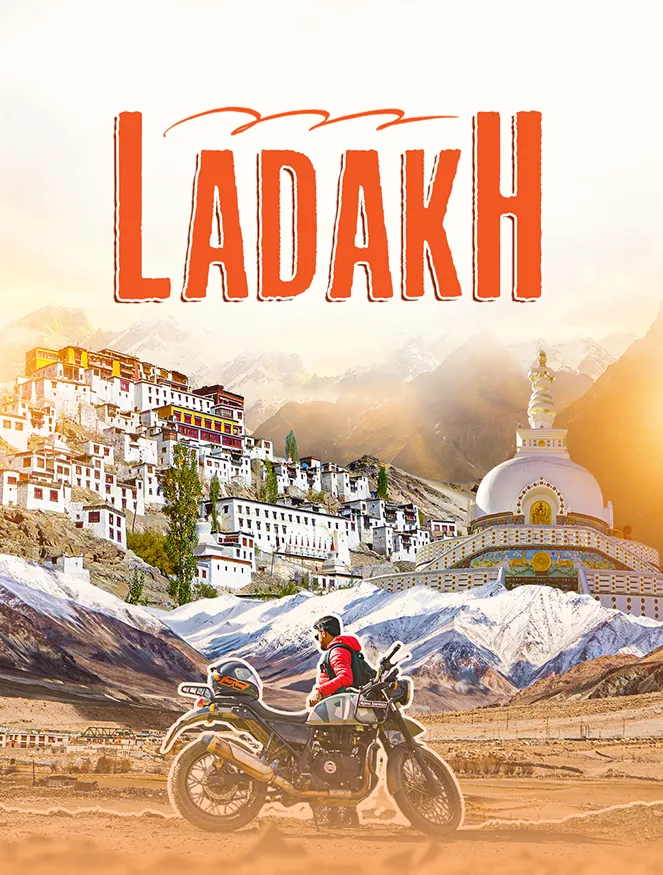
Ladakh
Ladakh With Turtuk (Leh to Leh )
₹ 21,999/-
per person
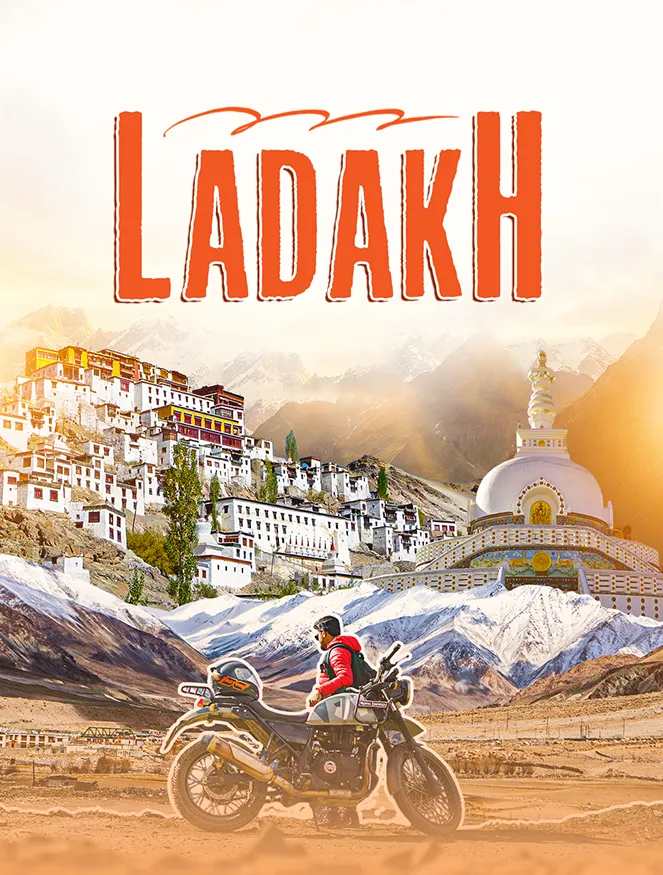
Ladakh
Ladakh Bike Trip With Turtuk
₹ 18,999/-
per person
728 × 90 — Leaderboard
❓ Frequently Asked Questions
What is the best time to visit Ladakh?
How many days are enough for a Ladakh trip?
How can I reach Ladakh from Indore?
Is Ladakh expensive?
Is Ladakh suitable for first-time visitors?
Can I visit Nubra Valley and Pangong Tso in one trip?
Are permits required for Ladakh?
Can I visit Ladakh in winter?
What should I pack for Ladakh?
Is Ladakh safe for beginner bikers?
📚 Related Guides
More Travel Stories
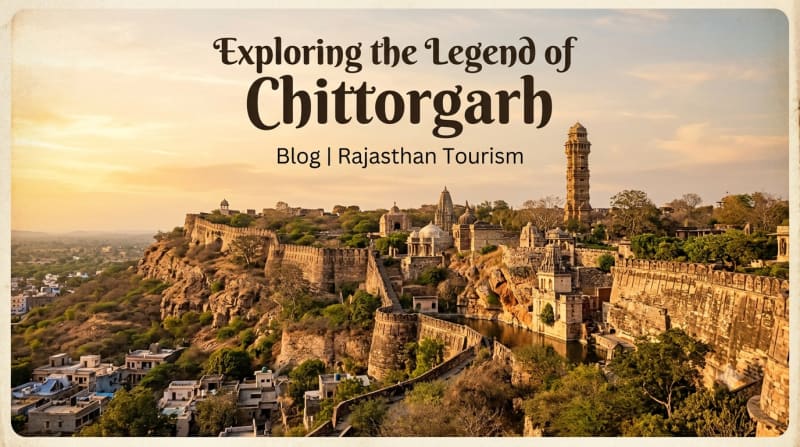
Chittorgarh Fort: History, Three Sieges, Vijay Stambh, Padmini Palace & Visitor Guide
Chittorgarh Fort explained: Mewar history, three famous sieges, Vijay Stambh, Rana Kumbha Palace, Meera Temple, Gaumukh Kund, timings, tickets and tips.
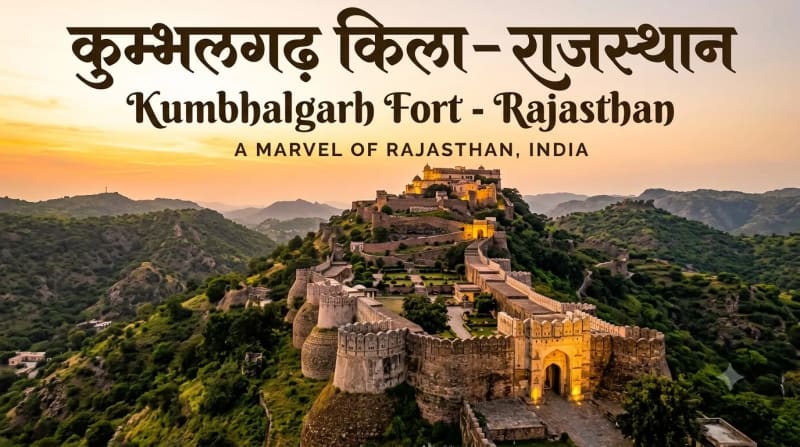
Kumbhalgarh Fort: History, 7 Gates, Temples, Badal Mahal & Complete Visitor Guide
Kumbhalgarh Fort explained using ASI information boards: Rana Kumbha's history, seven gates, Neelkanth and Parsvanatha temples, Badal Mahal and visit tips.
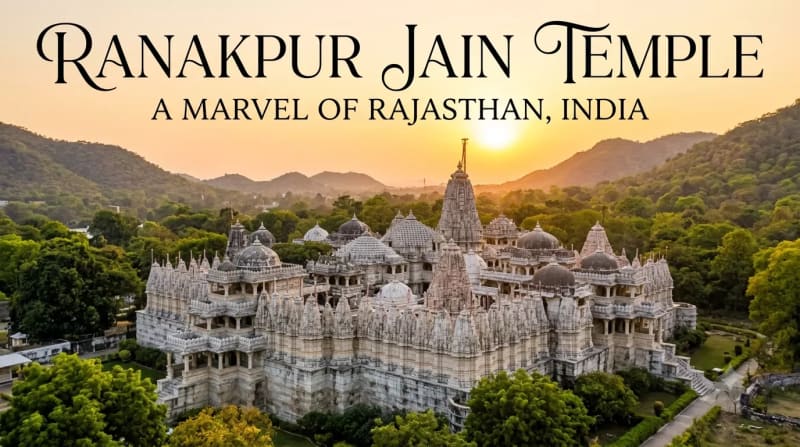
Ranakpur Jain Temple: History, 1,444 Pillars, Architecture, Timings & Visitor Guide
Ranakpur Jain Temple explained: Dharna Shah's dream, Rana Kumbha's role, the 1,444 pillars, architecture, timings, dress code and how to plan your visit.