
TravelTech • Practical Kullu Travel Guide
A practical guide to Kullu covering culture, places to visit, outdoor experiences, food, accommodation areas, costs, itineraries, nearby destinations and travel planning.
Kullu's identity is tied closely to its village deities. The valley's religious traditions are not simply part of its history; they still shape its major festivals and public life. During Kullu Dussehra, hundreds of village deities are brought to Dhalpur in decorated palanquins, creating a celebration quite different from the usual Dussehra experience elsewhere in India.
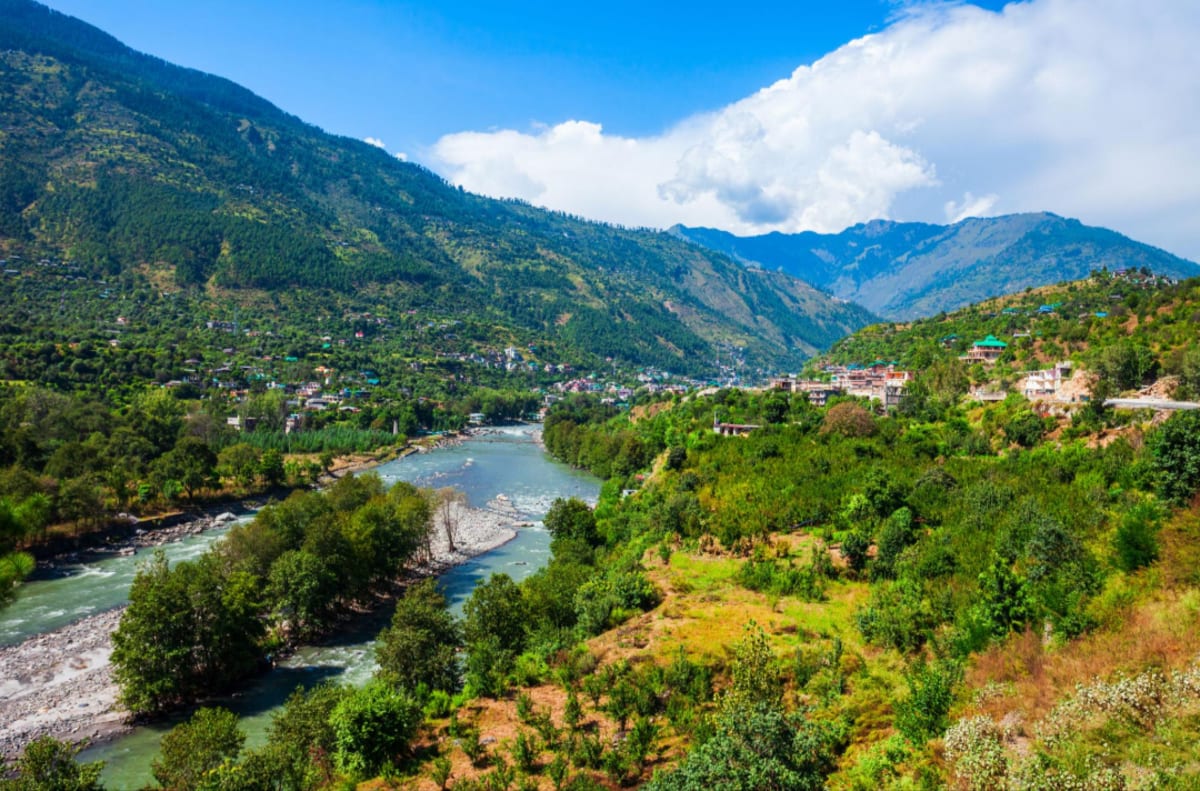
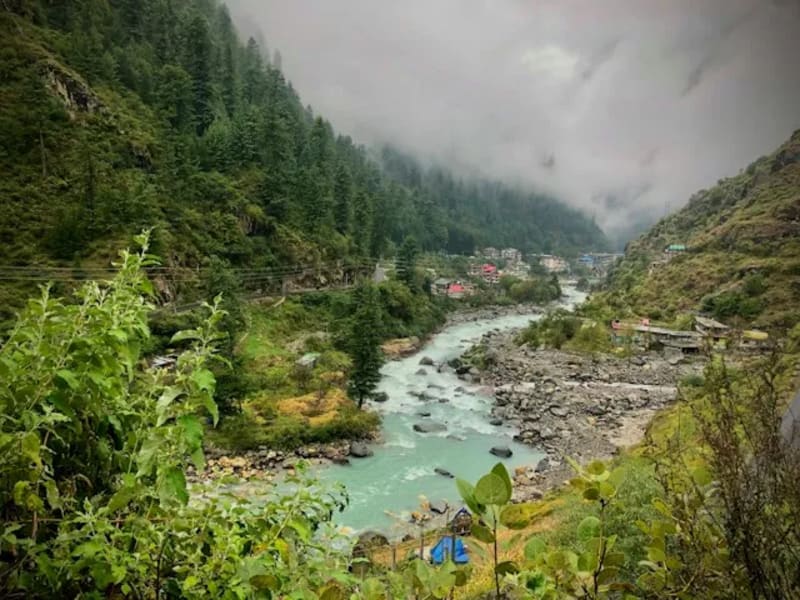
Located along the Beas River in Himachal Pradesh, Kullu is often treated as a stop on the way to Manali. That undersells it. The wider Kullu Valley has ancient temples, apple orchards, river-based adventure, traditional handicrafts, access to the Great Himalayan National Park and routes into the Parvati and Tirthan valleys.
A Kullu trip works particularly well for travellers who want a combination of mountain scenery, culture and outdoor activities without spending the entire holiday in a busy hill-town market.
Why Kullu Should Be on Your Himalayan Bucket List
Kullu is different from destinations where sightseeing revolves around one central market.
Here, the experience is spread across the valley: temples sit above roads and villages, the Beas runs through the landscape, orchards occupy slopes, and smaller settlements lead towards places such as Banjar, Tirthan and Parvati Valley.
Kullu is also a useful base if you want to combine cultural sightseeing with adventure. White-water rafting is conducted on the Beas near Kullu, while the Great Himalayan National Park provides opportunities for trekking, wildlife watching and longer outdoor excursions.
For a first visit, allow enough time to get outside Kullu town rather than treating it as a quick photo stop between Mandi and Manali.
History, Culture and Local Character of Kullu
Kullu became the capital of the Kullu kingdom in 1660, and the valley's history remains closely connected with its temples and traditional deity system. The reign of Raja Jagat Singh in the 17th century is particularly significant because of the establishment of the Raghunath tradition that later became central to Kullu Dussehra.
The valley is sometimes called the “Land of Gods” because of the large number of village deities and the continuing importance of local religious traditions.
The culture is also visible in everyday crafts. Kullu is known for handwoven shawls and traditional Kullu caps, both of which are commonly associated with the valley.
Kullu Dussehra
Kullu Dussehra is held around October and traditionally continues for about a week. The celebration begins on Vijay Dashami rather than ending on it, making its format distinctive.
Dhalpur Maidan becomes the centre of the festival, with Lord Raghunath's chariot and numerous village deities taking part in the celebrations.
Traveller tip: If visiting during Dussehra, expect significantly more people, heavier traffic and greater demand for accommodation than during a normal October visit.
Top 7 Must-Visit Places in Kullu Valley
1. Raghunath Temple
Raghunath Temple is one of the most important cultural and religious sites in Kullu.
The temple houses the idol of Lord Raghunath, who became the presiding deity of the valley and remains central to Kullu Dussehra. The temple is associated with the royal history of Kullu.
Time required: 30–60 minutes
Best for: Culture, history and religious heritage
Tip: Dress respectfully and follow temple photography rules.
2. Bijli Mahadev Temple
Bijli Mahadev is one of Kullu's most distinctive temple experiences.
The temple is reached after an uphill walk, and the route rewards visitors with wide views across the Kullu Valley. The local religious tradition surrounding the Shiva lingam and lightning strikes is an important part of the site's identity.
Time required: Half day including travel and walk
Best for: Views, spirituality and light trekking
Walking: Yes; the final approach involves an uphill walk.
Tip: Wear shoes with proper grip.
3. Great Himalayan National Park
The Great Himalayan National Park (GHNP) is one of the region's major nature attractions and a UNESCO World Heritage Site.
It covers a vast high-altitude landscape with forests, alpine areas and wildlife habitats. Unlike a conventional road-accessible tourist park, GHNP involves trekking and outdoor travel; there are no roads or paved trails through its conserved wilderness areas.
Permits are required for entry into relevant park areas, and official tourism information recommends April–June and September–November for better trail and visibility conditions.
Best for: Trekkers, wildlife enthusiasts and serious nature lovers
Tip: Don't treat GHNP as a quick sightseeing stop.
TravelTech • Kullu Travel Guide
4. Manikaran
Manikaran lies in the Parvati Valley and is approximately 45 km from Kullu according to Himachal Tourism.
It is known for Manikaran Sahib, its hot springs and religious significance.
Time required: Half to full day depending on onward travel
Best for: Pilgrimage, culture and hot springs
Tip: Keep the religious character of the site in mind rather than treating it purely as a tourist attraction.
5. Kasol
Kasol sits along the Parvati River and has developed into a popular base for travellers exploring the Parvati Valley.
It is more suited to a relaxed riverside stay, cafés and short walks than a conventional sightseeing checklist.
Best for: Young travellers, groups, cafés and Parvati Valley exploration
Tip: Combine it with Manikaran rather than rushing through both places in a few hours.
6. Naggar
Naggar lies around 27 km from Kullu and has a strong connection with the region's former royal history.
The area is known for Naggar Castle, temples and the Nicholas Roerich Art Gallery.
Best for: Heritage, architecture, art and quieter mountain views
Time required: Half day
7. Vishveshvara Mahadev Temple, Bajaura
This stone temple near the Beas River is associated with an architectural tradition dating between the 9th and 12th centuries, according to Himachal Tourism.
Its stone carving and proximity to the highway make it a worthwhile stop for travellers interested in heritage rather than just scenery.
What to Eat in Kullu: A Food Lover’s Guide
Siddu
Kullu Trout
Dham
Kullu Rajma
Chha Gosht
Babru
Patrode
Mittha
Sepu Vadi
Tudkiya Bhath
Food tip: Ask whether a dish is actually prepared locally rather than assuming every “Himachali” item on a tourist menu represents traditional cuisine.
Where to Stay in Kullu
Kullu Town
Best for first-time visitors who want convenient access to transport, markets and everyday services.
Bhuntar
Useful if airport access is important or if your itinerary includes the southern part of the valley.
Raison
Better suited to travellers looking for a quieter riverside and orchard setting.
Kasol
A practical choice for travellers extending their Kullu trip into Parvati Valley.
Naggar
Good for travellers who prioritise heritage, views and a quieter atmosphere over being close to Kullu's main transport hub.
From Budget to Luxury: Cost Variations for a Kullu Visit
Exact costs fluctuate substantially by season, hotel category, transport and booking date. A realistic independent budget should therefore be treated as a range rather than a fixed number.
Budget traveller
₹1,500–₹2,500 per person/day excluding long-distance travel.
Mid-range traveller
₹3,000–₹5,500 per person/day excluding long-distance travel.
Comfortable/premium travel
₹6,000+ per person/day, depending heavily on accommodation and private transport.
Your actual Kullu trip cost can increase during Dussehra, peak summer, weekends and winter holiday periods.
Important: These are planning ranges, not quoted TravelTech package prices.
4-Day Kullu Itinerary
Day 1 — Kullu Town & Local Heritage
Cover:
Arrive in Kullu
Check into hotel
Raghunath Temple
Local market
Beas riverside
Relaxed evening
Pace: Easy
Overnight: Kullu
Day 2 — Bijli Mahadev & Kullu Valley
Cover:
Breakfast
Drive towards Bijli Mahadev
Uphill walk
Temple and valley views
Return to Kullu
Evening at leisure
Pace: Moderate because of the uphill walk
Overnight: Kullu
Day 3 — Naggar & Valley Exploration
Cover:
Naggar Castle
Naggar heritage area
Nicholas Roerich Art Gallery
Local cafés/food
Return towards Kullu
Pace: Easy to moderate
Overnight: Kullu/Naggar
Day 4 — Adventure or Parvati Valley
Choose based on interests:
Option A: Beas River rafting + local sightseeing
Option B: Manikaran + Kasol
Option C: Begin a longer Great Himalayan National Park/Tirthan itinerary
Pace: Moderate to full day
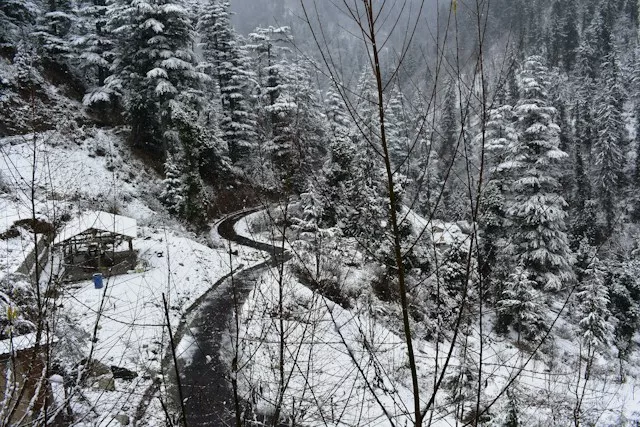
Nearby Destinations from Kullu
Manali – 40 km | 1.5–2 hours
A natural extension to a Kullu trip, with Solang Valley, Old Manali, Hadimba Temple and access to higher-altitude attractions.
Naggar – 27 km | Around 1 hour
Best for heritage and quieter mountain views, with Naggar Castle, ancient temples and the Nicholas Roerich Art Gallery.
Kasol – Around 39–42 km | 1.5–2 hours
A riverside destination in Parvati Valley known for cafés, guesthouses and access to nearby mountain villages.
Manikaran – Around 40–45 km | 1.5–2 hours
Known for Manikaran Sahib, Hindu temples and natural hot springs. It can easily be combined with Kasol in a Parvati Valley day trip.
Malana – Around 43 km from Kullu + trek
A remote village beyond the Malana Valley, known for its distinctive traditional social and cultural system. The final approach involves trekking, so it isn't a simple road-side sightseeing stop.
Banjar & Tirthan Valley – Around 58 km to Banjar
A quieter option for travellers looking for rivers, forests, villages, trout fishing and access towards the Great Himalayan National Park region.
Jalori Pass – Around 60–70 km depending on route
Better suited to an adventure-focused itinerary, with mountain views and access to trekking routes around Shoja and Jalori. Himachal Tourism identifies Jalori Pass as one of Kullu's notable surrounding attractions.
Distances can vary depending on the exact starting point and route, particularly for valley destinations. Himachal Tourism lists Manali at 40 km and Manikaran at 45 km from Kullu, while the district administration lists Naggar at 27 km.
Things to Know Before Visiting Kullu
Road journeys take longer than map distances suggest. Mountain roads, traffic and weather can significantly affect travel time.
Monsoon travel needs flexibility. Rain can affect mountain roads.
Carry layers. Temperature differences between daytime, evening and higher-altitude locations can be significant.
Cash is still useful. Don't assume every small shop, local taxi or rural establishment accepts digital payments.
Mobile connectivity is generally available in Kullu town, with official tourism information reporting national network coverage, but coverage should not be assumed on remote trekking routes.
Rafting is seasonal and weather-dependent. Official tourism information lists March–May and September–November for rafting in Kullu.
Don't stand close to river edges for photographs. Himachal Tourism specifically warns that mountain river currents can be deceptively strong.
GHNP is not a casual sightseeing park. Trekking and permits may be required depending on the route.
Dussehra means crowds. Book accommodation and transport earlier if travelling during the festival.
Local temples require respectful behaviour. Follow instructions regarding footwear, photography and restricted areas.
What to Pack for a Kullu Trip
Layered clothing
Warm jacket
Comfortable walking shoes with grip
Waterproof outer layer
Sunglasses
Sunscreen
Personal medicines
Basic first-aid supplies
Reusable water bottle
Power bank
Valid ID
Small day backpack
Cash
Umbrella/rain protection during monsoon
Thermals, gloves and woollen cap for winter
Trekking essentials if doing a longer hike
Sample TravelTech-Style Kullu Itinerary
This is an editorial sample itinerary, not an actual TravelTech package.
Day 1: Arrival in Kullu → hotel check-in → Raghunath Temple → local market
Day 2: Bijli Mahadev → Kullu Valley sightseeing → relaxed evening
Day 3: Naggar → heritage sightseeing → local food experience → return to Kullu
Day 4: Beas rafting, subject to operating conditions → depart or extend towards Manali/Kasol
The key difference is pace: don't try to squeeze Kullu, Manali, Solang, Kasol, Manikaran and multiple treks into four days. Mountain travel doesn't work efficiently that way.
Explore TravelTech's Kullu Packages
Kullu Manali with Kasol & Complimentary Candlelight Dinner
Duration: 6 days according to the detailed itinerary
Listed price: ₹13,999/person on the currently indexed package page
Route: Delhi → Manali → Solang/Atal Tunnel/Sissu → Kullu → Kasol → Manikaran → return
Highlights: Manali sightseeing, Solang Valley, Atal Tunnel, Sissu, Beas rafting, Kullu, Kasol, Manikaran Sahib and Chalal
Accommodation shown: Verified hotel in Manali; riverside camp in Kasol appears in the itinerary
Included: Virtual Trip Captain 24x7 and accommodation details shown on the page
Not included: Lunch and personal transportation/cab services
Best suited for: Couples/honeymoon travellers based on the package positioning
Batch information: The indexed page does not provide a reliable current batch schedule, so dates should be confirmed directly before booking.
View the TravelTech Kullu-Manali-Kasol package
TravelTech Trip Options
https://www.travelltech.com/trip/shimla-manali-special-tt-india-tour-packages-69
TravelTech's broader offering includes:
Group Trips
Customised Trips
Honeymoon Trips
Corporate Group Trips
College Trips
School Trips
International Trips
For Kullu, a customised itinerary can be useful when you want to combine the valley with Manali, Kasol, Manikaran, Naggar or Tirthan rather than following a fixed route.
Is Kullu Worth Visiting?
What travellers will enjoy
A strong combination of nature and local culture
Beas Valley scenery
Traditional temples and village deity traditions
Kullu Dussehra
Rafting and outdoor activities
Access to GHNP
Easy combinations with Manali, Naggar, Kasol and Manikaran
Local handicrafts and Himachali food
What travellers should be prepared for
Mountain roads can make short distances surprisingly time-consuming.
Monsoon can disrupt road-based plans.
Winter conditions require proper clothing and flexibility.
Popular areas can become crowded during festivals and holidays.
Some of the most rewarding experiences involve walking or uphill sections.
Remote trekking areas have fewer conveniences than Kullu town.
A rushed itinerary can turn a scenic holiday into hours of sitting in a vehicle.
Kullu makes the most sense for travellers who want mountains plus culture, rather than simply looking for a commercial hill station. If your priority is nightlife, extensive shopping or a highly structured urban-style holiday, Kullu may feel quieter than expected.
🗓️ Best Time to Visit
March to june
Summer Escape, Nature, Adventure, Sightseeing, Family Trip, Road Trip
Pleasant weather, ideal for sightseeing, nature walks, road trips and outdoor activities.
July to September
Monsoon, Green Valleys, Nature, Photography, Peaceful Escape, Scenic
Monsoon brings lush greenery, but heavy rainfall can sometimes affect road travel.
October to November
Autumn, Culture, Festival, Photography, Nature, Scenic Escape
Comfortable weather and a good time to experience Kullu's local culture and festivals.
December to February
Winter, Snow, Mountains, Adventure, Cozy Escape, Photography
Cold winter weather and snowfall in higher areas make this period suitable for travellers seeking a winter mountain experience.
🚗 How to Reach
By Air
The nearest airport is Kullu-Manali Airport at Bhuntar, approximately 10 km from Kullu. From Bhuntar, travellers can continue by taxi or local transport towards Kullu town. The airport has connectivity to selected cities, but flight schedules can be limited compared with larger airports, so check the current schedule before booking.
By Train
Kullu does not have a broad-gauge railway station. The nearest railway station traditionally listed by the district administration is Joginder Nagar, around 120 km away, connected by the narrow-gauge Mandi–Pathankot route. Kiratpur and Una provide alternative railheads with longer road transfers. For most travellers arriving by train from central or western India, it is more practical to combine the train journey with a road transfer from a major railhead.
By Road
Road travel is the most straightforward way to reach Kullu. The main approach is through Mandi, followed by the road along the Beas Valley towards Kullu. HRTC and private bus services connect Kullu with major northern cities, while taxis are available locally.
✈️ Related Trips from TravelTech
728 × 90 — Leaderboard
❓ Frequently Asked Questions
How many days are enough for a Kullu trip?
What is the best time to visit Kullu?
How far is Kullu from Indore?
Which airport is nearest to Kullu?
What are the main places to visit in Kullu?
Is rafting available in Kullu?
Can Kullu and Manali be covered together?
Does TravelTech have Kullu packages?
📚 Related Guides
More Travel Stories
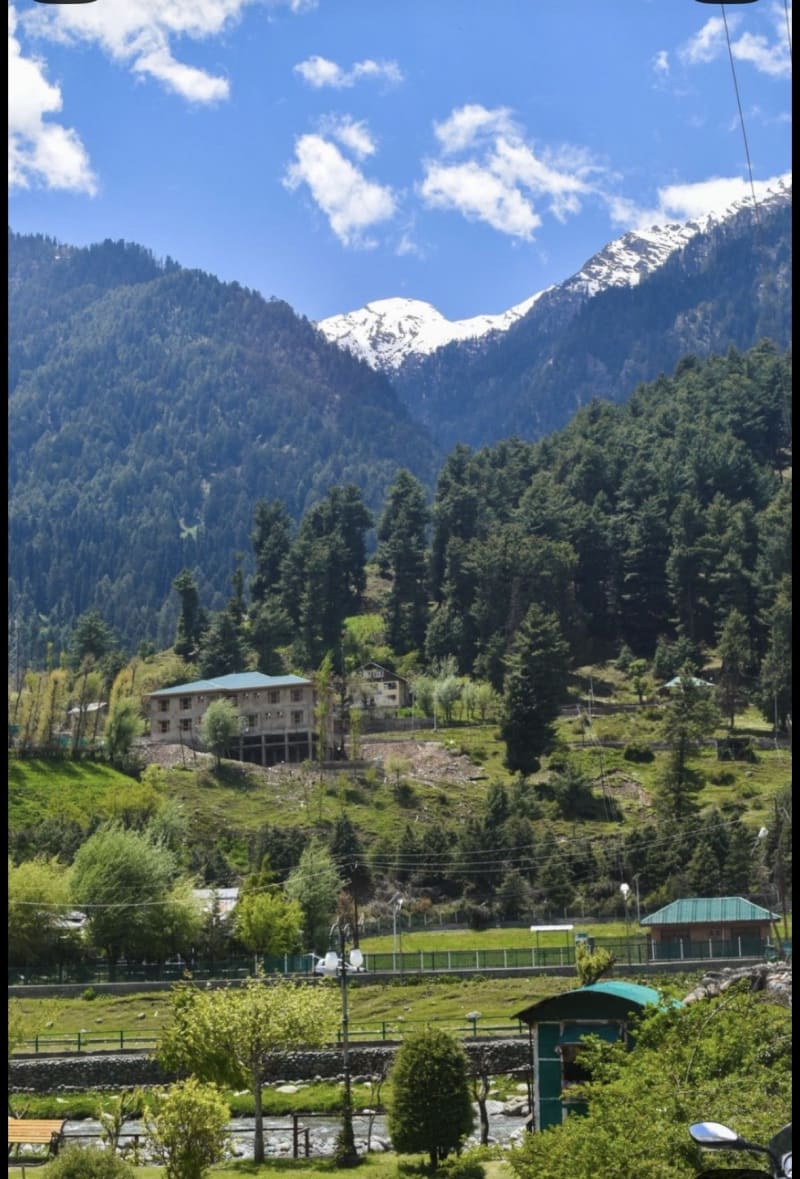
Tirthan Valley Unveiled: A Quiet Escape in Himachal Pradesh
Plan a Tirthan Valley trip with this practical guide covering places to visit, things to do, weather, food, itinerary, costs and travel tips.
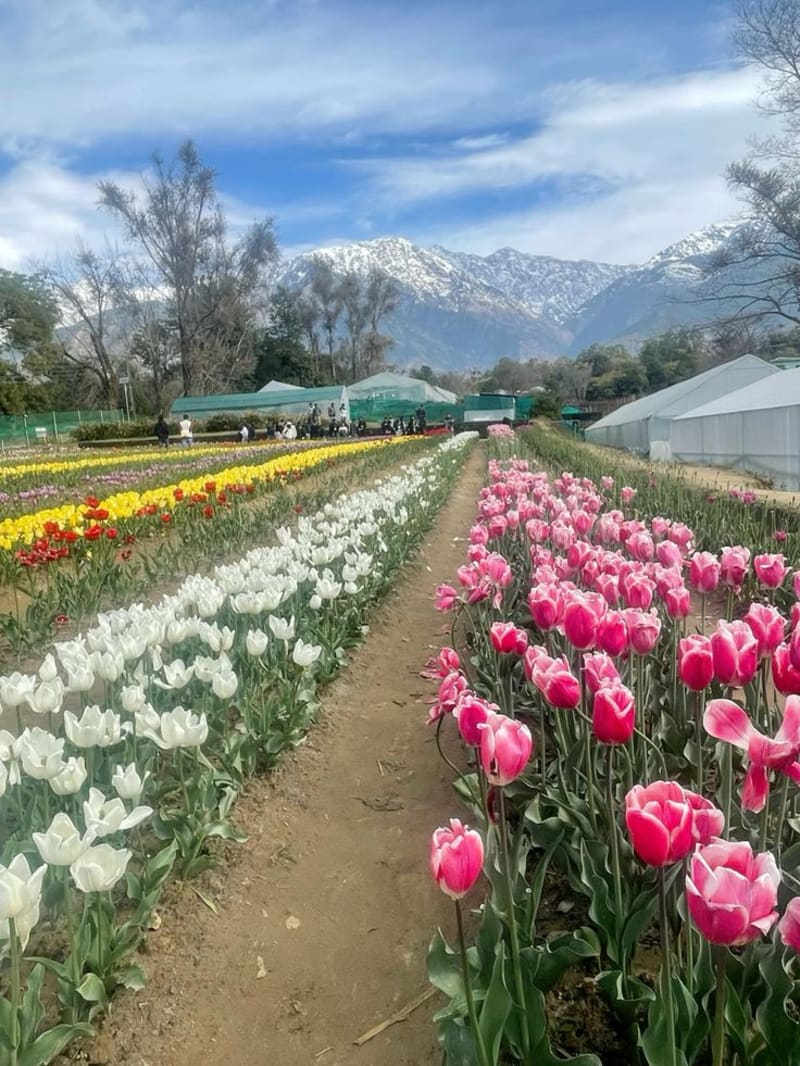
Palampur Travel Guide: Tea Gardens, Dhauladhars & Kangra Culture
Planning a Palampur trip? Discover the best places to visit, tea gardens, things to do, travel tips and everything you need to know before you go.
Kasauli Travel Guide: History, Places to Visit, Cost & Trip Planning
Plan a Kasauli trip with this practical guide covering places to visit, weather, travel routes, food, stay, itinerary and travel tips.