
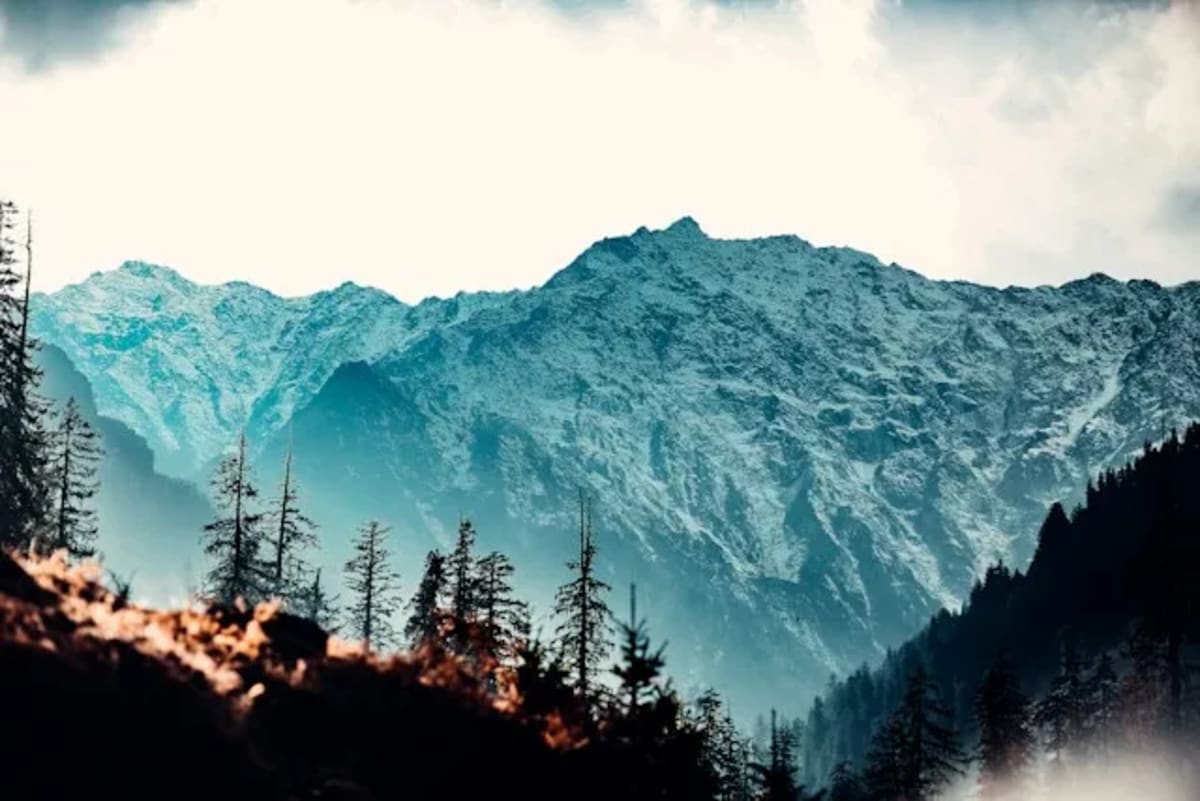
Himachal Pradesh is a Himalayan state in northern India with 12 districts, and it is not one single trip. In a few hours of driving you can go from pine-covered British-era hill towns to apple valleys to a cold desert that looks more like Tibet than India. That is exactly why people struggle to plan it.
Think of this page as the friend who has done the trip and tells you how to pick. It helps you choose a region, understand what the seasons really mean for roads and weather, get a feel for costs, and then points you to our detailed articles for each place.
The short version: for a first trip, pick one or two connected regions rather than the whole state. Shimla with Manali, or Manali with Kasol, works in 5-7 days. Spiti needs its own trip of a week or more.
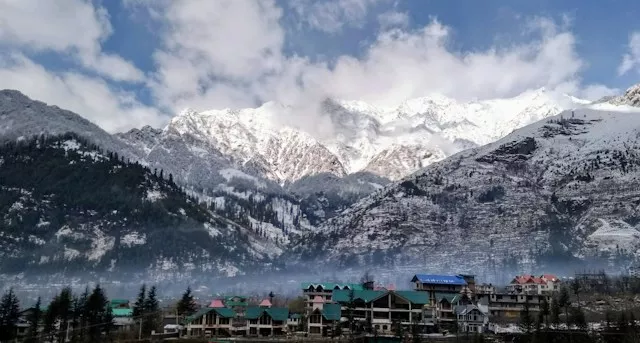
Himachal in a minute
Where it is: the western Himalayas, bordering Punjab, Haryana, Uttarakhand, Jammu & Kashmir, Ladakh and Tibet (China).
Capital: Shimla. Dharamshala is the second capital.
Heritage: the Kalka-Shimla railway (UNESCO, 2008) and the Great Himalayan National Park (UNESCO, 2014).
Biggest planning lesson: distances look small, but mountain roads are slow. A 150 km day can easily take 6 to 8 hours.
Which part of Himachal suits you?
You want | Go to | Rough time needed |
|---|---|---|
A quick break from the plains | Kasauli, Solan, Shimla | 2-3 days |
Snow, adventure and a lively base | Manali, Kullu | 3-5 days |
River villages and a backpacker mood | Kasol, Parvati Valley | 3-4 days |
Quiet forest stays | Tirthan Valley, Jibhi | 3-5 days |
Tibetan culture and trekking | Dharamshala, McLeod Ganj, Bir | 3-5 days |
Old hill towns and meadows | Dalhousie, Khajjiar, Chamba | 3-4 days |
Apple orchards and mountain villages | Kinnaur | 3-5 days |
Cold desert and monasteries | Spiti | 6-9 days |
Not sure? First-timers with a week usually enjoy Shimla plus Manali. Couples who want quiet often prefer Tirthan and Jibhi. Friends travelling on a budget tend to love the Dharamshala, Bir, Manali and Kasol loop.
Himachal region by region
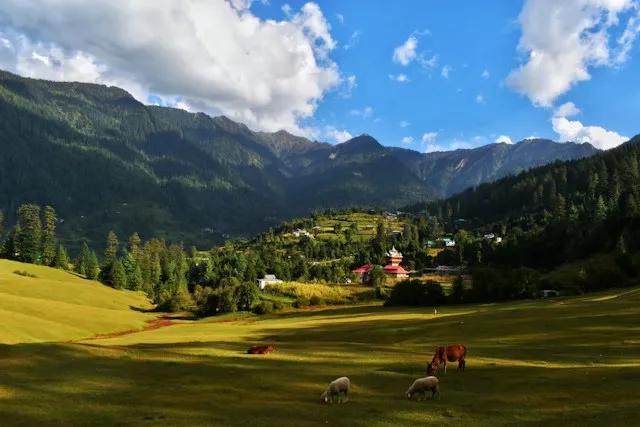
Shimla and the foothill towns
This is the easiest part of the state to reach from Chandigarh and Delhi. Shimla is the old summer capital of British India, with its Ridge, Mall Road and the toy train from Kalka. It gets crowded, but nothing else in Himachal feels quite as colonial. Planning your Shimla days is easier with a local sense of what to skip.
Closer to the plains, Kasauli is a small, quiet cantonment town for slow walks, and a Kasauli weekend is what many people do instead of Shimla. Solan sits on the highway and works mostly as a stopover, which [our Solan page](INTERNAL LINK: Solan Travel Guide) explains honestly.
What makes it different: shortest drives, the most heritage, the least adventure.
Kullu and Manali
The Kullu Valley follows the Beas River and is Himachal's most developed tourism belt. Kullu is the district's working town, known for its temples, shawls and the Dussehra festival. More on Kullu and its surroundings will help you decide whether it deserves a night.
Manali is where most people base themselves. Old Manali has a laid-back café and guesthouse feel, while the main town is busier and more commercial. Snow trips, Solang and day trips through the Atal Tunnel to Sissu all start here. Everything about staying in Manali is covered separately.
What makes it different: the widest choice of activities and the most visitors, so book ahead in peak season.
Parvati Valley
A side valley off the Kullu road, with its own informal rhythm. Kasol is the hub, with cafés, riverside stays and treks. Beyond it are Manikaran, known for its gurdwara and hot springs, plus Tosh, Malana and the trail to Kheerganga. What to do in and around Kasol and the wider valley are each worth reading before you pick a base.
One practical note: Indian narcotics laws apply here like anywhere else, whatever the valley's reputation.
What makes it different: village-style, trek-focused and long-stay friendly, not a sightseeing circuit.
Tirthan Valley and Jibhi
If Manali feels like too much, this is the other side of Kullu district. Tirthan Valley lies beside the Great Himalayan National Park, with riverside homestays and forest trails. Jibhi is a small cluster of wooden houses and quiet walks. A slow stay in Tirthan and how to spend time in Jibhi suit people who want to do less, not more.
What makes it different: very few attractions and that is the point. Homestays rather than hotels.
Kangra region
Below the Dhauladhar range, this is where Tibetan culture meets Himachal. Dharamshala is the lower town; McLeod Ganj is higher up, home to the Dalai Lama's residence and the Tibetan government-in-exile, with monasteries, momo stalls and the popular Triund trek. If you are weighing the two, Dharamshala's lower-town side and McLeod Ganj's hill-top energy are quite different.
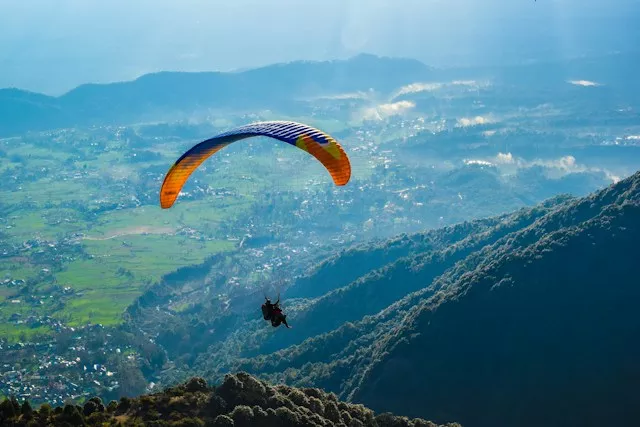
Bir Billing is India's best-known paragliding area, with a quieter Tibetan settlement below the launch site. Planning a Bir stay or a flight is a good starting point. Palampur adds tea gardens and calm, and what Palampur offers is covered separately.
What makes it different: Tibetan influence, cafés and trekking access without Manali-level crowds.
Chamba region
Older, quieter and less commercial than Kullu or Shimla. Dalhousie is a spread-out hill town with old colonial buildings and a calm pace. Time in Dalhousie fits well with a short break. Khajjiar, a meadow with a small lake ringed by deodar trees, is a short drive away, and what to expect at Khajjiar will help you decide between a day trip and an overnight stay. Chamba town on the Ravi River has temples and craft traditions, and is the gateway to remote areas such as Bharmour and Pangi. See Chamba's history and old town
What makes it different: history and quiet, with fewer tourists and fewer facilities.
Kinnaur
Kinnaur follows the Sutlej and Baspa valleys east of Shimla. The lower parts are green, with apple orchards, while the upper areas turn drier and more rugged. Culture shifts too, with Hindu and Buddhist traditions overlapping.
The classic stops are Sangla in the Baspa Valley, Kalpa with its views of the Kinner Kailash range, and Chitkul, one of the last villages on the Indian side of the Baspa road. [The big picture for Kinnaur](INTERNAL LINK: Kinnaur Travel Guide) and [a closer look at Chitkul](INTERNAL LINK: Chitkul Travel Guide) are available separately. Most Spiti trips from Shimla also pass through here.
What makes it different: dramatic scenery, apples, and a cultural bridge between lower Himachal and Spiti.
Spiti and the high-altitude north
Spiti is a cold desert at around 3,500 to 4,500 m, with white-walled monasteries, bare mountains and very clear skies. Kaza is the main base. Key Monastery, Kibber, Langza, Hikkim, Komic, Dhankar, Tabo and Pin Valley are typical stops, and Chandratal lake is a seasonal highlight.
You can enter Spiti via Kinnaur from the Shimla side, or via Manali, the Atal Tunnel, Lahaul and Kunzum Pass. Which route works depends on the season.
Lahaul, north of the Rohtang range, is the stretch you cross on the Manali route. Sissu, Keylong and Jispa are the usual stops. Since the Atal Tunnel opened in 2020, Lahaul is easier to reach from Manali than before.
What makes it different: the most remote, the most demanding and the most rewarding. Treat it as a separate trip.
Quieter parts of Himachal
Mandi, Bilaspur, Sirmaur, Hamirpur and Una see fewer tourists. Rewalsar (a lake town with Tibetan Buddhist roots) and the forest areas of Karsog are worth knowing about if you return to the state.
Choosing the season (state-level view)
The same place can look completely different across the year, so match the season to the region.
Region | Easiest months | Watch out for |
|---|---|---|
Lower hill towns (Shimla, Kasauli, Dalhousie) | Mar to Jun, Sep to Nov | Monsoon rain and landslides |
Kullu, Manali, Kasol, Tirthan | Mar to Jun, Sep to Oct; winter for snow | Heavy monsoon disruption |
Dharamshala, Bir, Palampur | Mar to Jun, Sep to Nov | Heavy monsoon rain |
Kinnaur | Apr to Oct | Winter snow in the upper parts |
Spiti and Lahaul | Roughly Jun to Oct | Passes closing, very cold winters |
A few things worth knowing:
Monsoon (July-August) is the riskiest time for the lower and mid hills. Heavy rain in July 2023 caused severe floods and road damage in parts of Himachal, including the Kullu region. If you travel then, keep buffer days and avoid tight onward bookings. Spiti and Lahaul are drier at this time.
Winter is the snow season for Shimla, Manali and similar places. High passes close, and Spiti is mainly a trip for well-prepared travellers, usually approached from the Kinnaur side.
Pass opening dates change every year. Never rely on a calendar date. Check the day before you travel.
For place-specific timing, use the individual destination pages above.
Getting to Himachal and around it
Gateways. There is no single entry point. Most travellers arrive via:
Chandigarh for Shimla, Kasauli, Solan, Manali and Kinnaur
Delhi for overnight buses to Manali, Dharamshala and Shimla
Kalka for the toy train to Shimla
Pathankot for Dalhousie, Chamba and the Kangra region
Himachal also has airports serving Shimla, Kullu-Manali and Kangra, but flights are limited and schedules change, so check current availability before planning around them. For many people, flying into Chandigarh or Delhi and continuing by road is more reliable.
On the ground.
State-run HRTC buses reach most parts of the state and are good for budget travel.
Taxis are the most common choice for tourists. In some hill destinations, local taxi unions restrict outside vehicles for sightseeing, so confirm your arrangement beforehand.
Self-drive works for confident mountain drivers, but avoid night driving, and check fuel and ATM points before heading into Kinnaur, Lahaul or Spiti.
Mobile coverage is patchy in the high valleys, so download offline maps.
Rule of thumb: plan fewer hotel changes and shorter driving days than you think you need.
Sample trip combinations
5-6 days, Manali and Kasol. Mountain scenery and a river valley with short transfers.
6-7 days, Shimla, Manali and Kasol. The most common first trip, mixing heritage with adventure.
7-9 days, Shimla, Manali, Dalhousie and Khajjiar. Adds the quieter Chamba hills, but expect long transfer days.
6-7 days, Dharamshala, Bir, Manali and Kasol. A backpacker favourite.
7-9 days, Spiti circuit via Kinnaur. Sangla, Kalpa, Chitkul, Nako, Kaza and, in season, Chandratal. Build in rest days.
4-5 days, Tirthan and Jibhi. A slow stay with almost no schedule.
Combinations to avoid: Shimla, Manali, Spiti and Dharamshala together in under 10 days. You will spend most of it in a car.
What a Himachal trip costs
There is no fixed price, so be wary of anyone who gives you one number. Your cost depends mainly on:
destination and route
season (peak months cost more)
hotel or homestay category
private vs shared transfers
group size
activities such as paragliding or treks
number of days
As a rough guide, shared group trips of around 5 nights in the Manali and Kasol area are at the lower end of packaged pricing. Multi-region tours with private transport cost more, and high-altitude circuits like Spiti cost the most because of the longer distances and remote logistics. Our current packages range from roughly ₹6,000 to ₹20,000 per person, depending on route and style, and the package pages carry the exact figures.
Budget separately for travel to your starting city, meals not included, activity fees and some buffer for weather delays.
Permits, safety and health
Permits: most areas popular with Indian tourists do not need a special permit, but some places have rules, such as vehicle access to Rohtang. Foreign nationals may need permits in border areas of Kinnaur and Spiti. Always confirm with official sources before travel.
Altitude: some people feel it above about 2,500 m, and Spiti's villages sit far higher. Go up gradually, drink water, go easy on alcohol at first, and descend if headaches, nausea or breathlessness get worse. Talk to a doctor beforehand if you have a heart or lung condition.
Roads: check road status every morning in monsoon and winter, and avoid driving at night in the mountains.
Solo, women and family travel: Himachal is widely visited by all three. Choose well-reviewed stays, share your route and keep a day of slack. Families with young children or older relatives should avoid rushed high-altitude trips.
Emergencies: 112 is India's emergency number.
Travel responsibly
Carry your rubbish out of high-altitude areas.
Be careful with water in dry places like Spiti.
Stay in family-run homestays where you can.
Dress modestly and ask before photographing people or ceremonies at monasteries and temples.
Choose quieter alternatives, such as Tirthan or Chamba, when popular spots are overcrowded.
TravelTech packages for Himachal
If you are planning | Look at |
|---|---|
A first multi-region trip | Shimla, Kasol, Manali, Dalhousie and Dharamshala tour |
Manali and Kasol | Manali Kasol itineraries, including group departures and the Kheerganga trek version |
Shimla and Manali | Shimla Manali special |
Kangra and Chamba | Himachal Explorer; Dharamshala, Bir Billing, Manali and Kasol backpacking |
Spiti | Spiti with Chandratal; Winter Spiti |
A honeymoon | Kullu Manali, Shimla Manali and Manali Kasol honeymoon packages |
A trek | McLeodganj and Triund trek |
My First Stranger Group Trip to Himachal: What It Was Really Like
I work in SEO at TravelTech, but I'd never actually been on one of our trips until I joined the 5N/6D Manali Kasol group trip, my first ever stranger group trip. I'll be honest, it felt awkward at the start. We were a bus full of people who had never met, and I'm an introvert, so I wasn't sure how it would go. But our trip captain, Salman Sir, started with an intro round and a few memory games, and somewhere in all that laughing the awkwardness just disappeared. By the end I was playing games and chatting with everyone like we'd known each other for years. And the funny thing is, the trip didn't just feel good, it was easy on my pocket too. The package was about ₹7,000 per person, and for that we got a 3-star resort stay with breakfast, dinner and transport included, which honestly felt like great value to me. That's why I'd happily call it an affordable first trip. Of course, it wasn't all smooth sailing. On the way, heavy snowfall left our vehicle stuck and we reached late. That could have ruined the day, but Salman Sir, who is funny and strict in equal measure, handled it so calmly that we never felt the need to worry. Everyone pushed the vehicle together and we even made a reel out of it, so the delay became one of our best memories. Another moment I still think about is the campfire in Kasol, where our other trip captain, Maaz Sir, started reciting shayari so well that the whole group joined in, and it turned into a friendly shayari contest. If you're nervous about a first group trip, I'd say go. That's exactly what I did.
Check before you go
Rules, openings and schedules change. Confirm the latest with Himachal Pradesh Tourism, the district administrations of the areas you are visiting, the Great Himalayan National Park authority, Indian Railways and airlines, and the India Meteorological Department.
✈️ Related Trips from TravelTech
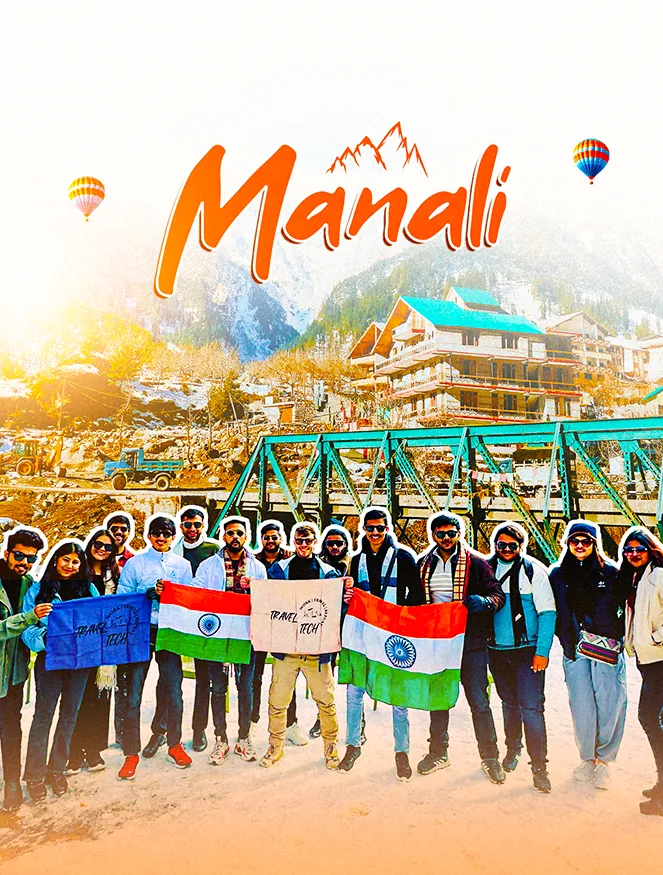
Manali
Manali kasol 5 Nights 6 Days Strangers Group Trip
₹ 6,999/-
per person
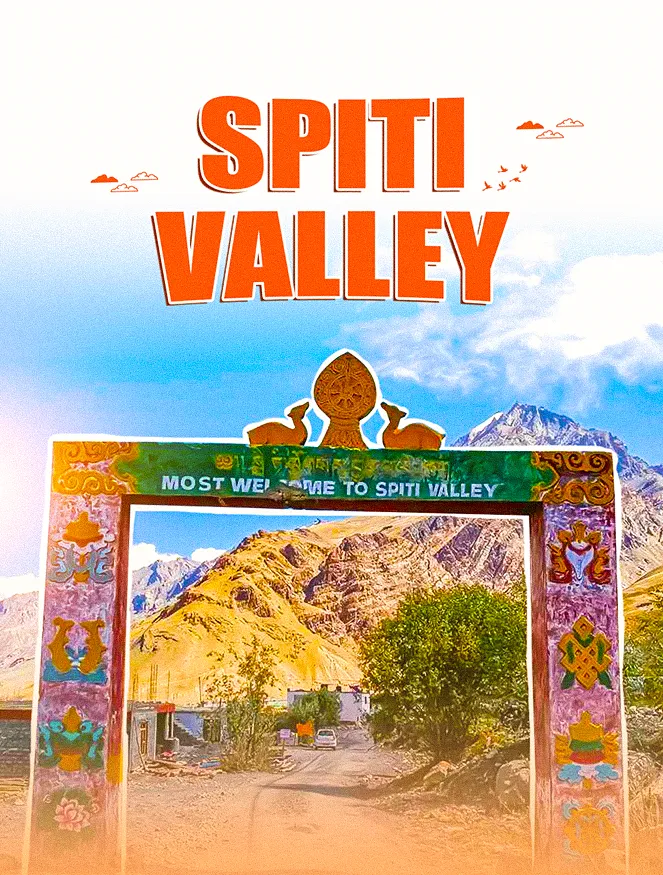
Spiti Valley
Winter Wonders of Spiti Valley
₹ 17,499/-
per person
728 × 90 — Leaderboard
❓ Frequently Asked Questions
How many days do I need for Himachal?
What is the best time to visit Himachal Pradesh?
Is Himachal safe for tourists?
Can I visit Spiti in winter?
Do I need a permit?
Will I get altitude sickness?
Is monsoon a bad time to visit?
Which places are quieter than Manali and Shimla?
Will my phone work?
Is a package better than planning on my own?
📚 Related Guides
More Travel Stories
20 Pocket-Friendly Countries to Visit from India in 2026
20 cheapest countries to visit from India in 2026: visa rules, daily costs, best places to see and TravelTech packages for each one.
7 Days in Kashmir: More Than a Postcard, A Journey You'll Remember
Kashmir Stranger Group Trip | 7 Days with New Travel Companions
Kerala in 7 Days: From Munnar's Tea Hills to Kanyakumari (My Honest Take)
Plan a Kerala trip with this practical travel guide covering places to visit, food, itinerary, best time, routes from Indore, and TravelTech packages.