

Spiti or Ladakh? Compare landscapes, routes, best time, cost, altitude, crowds and bike trips to choose the right high-altitude trip, with group trip options from Delhi and Leh.
Quick answer: Choose Spiti Valley if you want a raw, quiet and slightly cheaper road trip with ancient monasteries, tiny villages and very few tourists. Choose Ladakh if you want the big-ticket views, like Pangong Lake, Khardung La and Nubra's sand dunes, plus the option to fly in. Both are high-altitude cold deserts, both need a week or more, and both need careful acclimatisation. TravelTech's Spiti with Chandratal circuit (8 days, from ₹19,499) and Winter Spiti (9 days, from ₹17,499) start from Delhi, while Ladakh trips such as Ladakh with Turtuk start from Leh (7 days, from ₹21,999).
Spiti or Ladakh? It is one of the most common questions in every travel group, and there is no wrong answer. Both are among the most beautiful places on earth, with turquoise rivers, barren mountains, prayer flags and skies so clear you can see the Milky Way. But they feel very different on the ground. This guide compares them honestly on landscapes, routes, cost, season, difficulty, crowds and the kind of traveller each one suits, so you can pick the right one for your next big trip.

Spiti vs Ladakh at a glance
Factor. | Spiti Valley. | Ladakh. |
|---|---|---|
Vibe. | Remote, raw, quiet villages. | Grand landscapes, more developed tourism. |
Main town. | Kaza, about 3,800 m. | Leh, about 3,500 m. |
Signature sights. | Key Monastery, Chandratal, Langza, Hikkim, Komic, Dhankar. | Pangong Lake, Khardung La, Nubra, Turtuk, Tso Moriri. |
How to reach. | Road only, via Shimla–Kinnaur or Manali–Kunzum. | Flight to Leh, or road via Manali or Srinagar. |
Ideal trip length. | 7 to 9 days from Delhi. | 6 to 8 days from Leh. |
Crowds. | Low. | Moderate to high in peak season. |
Permits for Indians. | Generally not needed. | Inner Line Permit for areas like Nubra and Pangong. |
TravelTech trips. | From ₹17,499 (Delhi pickup). | From ₹21,999 (from Leh). |
1. Landscapes: what will you actually see?
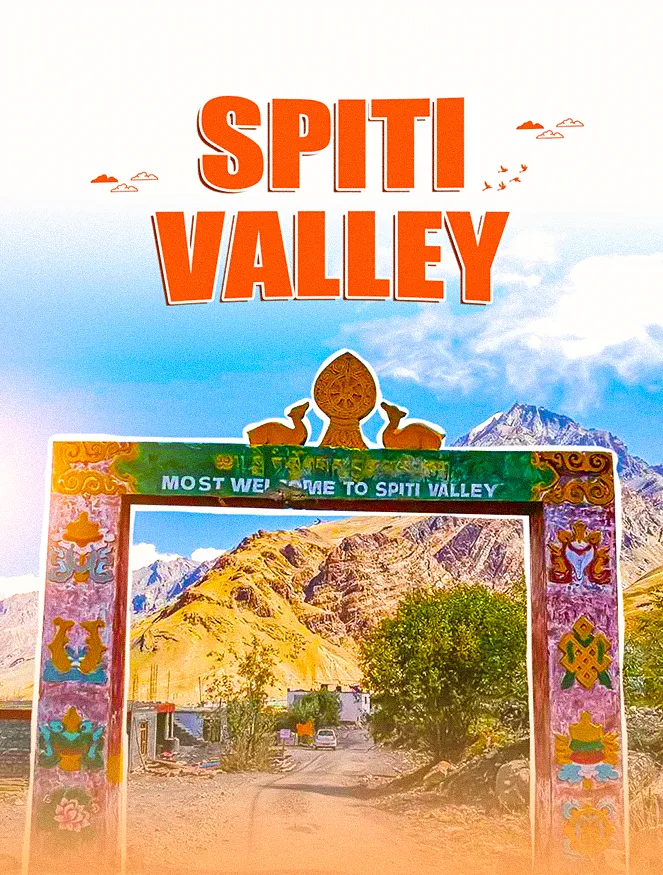
Spiti is a world of mud-brick villages clinging to cliffs, thousand-year-old monasteries and narrow roads above the Spiti river. Key Monastery, perched on a hill like a fortress, is the most photographed sight. Langza has a giant Buddha statue looking over fossil-rich slopes, Hikkim has one of the highest post offices in the world, and Chandratal, the moon lake, is a crescent of blue at the foot of the mountains. On the Kinnaur side, the road passes villages like Kalpa and Nako, adding apple orchards and wooden temples to the mix.
Ladakh is bigger in every sense. Pangong Lake changes colour from blue to green to grey through the day. The Nubra Valley has sand dunes and double-humped camels, and the road over Khardung La is among the highest motorable passes in the world. Turtuk, close to the border, feels like a different country with its apricot orchards and Balti culture. Tso Moriri is a quieter, wilder lake for those with more time.

2. Routes and how to reach
Spiti is reachable only by road. The Shimla–Kinnaur route stays open for much of the year and is the gentler way to acclimatise, because the altitude rises slowly. The Manali side crosses Kunzum Pass and is usually open only in summer, roughly from June to October, depending on snow. Most group trips do a full circuit: in via Shimla and Kinnaur, out via Chandratal and Manali, or the reverse.
Ladakh has a big advantage: you can fly into Leh from Delhi, Mumbai and other cities in about an hour or two. That saves days of driving. The road trips from Manali and Srinagar are legendary, but they are long and depend on the season. If you fly in, rest for at least a full day in Leh before going higher.
3. Best time to visit
Spiti is best from late May to mid-October, when roads are open and the weather is pleasant in the day. Winter Spiti, from December to February, is a hardcore experience with frozen rivers and temperatures far below zero, and only the Shimla side is usually accessible. Read our winter Spiti guide if that excites you.
Ladakh is best from May to September. June to August is peak season, with all roads and passes generally open. Winter Ladakh is possible by flight, but many areas and roads become very cold or inaccessible.
4. Cost comparison
Overall, Spiti tends to be a little cheaper because you travel by road from Delhi and stay in simple homestays. Ladakh costs more if you fly in, and peak-season hotels in Leh can be pricey. But flying saves days, so it depends on whether you are short of money or short of leave. On TravelTech, Spiti circuits start from ₹17,499 to ₹19,499 from Delhi, while Ladakh trips start from about ₹21,899 to ₹24,999 from Leh, with flights to Leh booked separately.
5. Difficulty and altitude
Both destinations are high-altitude, and acute mountain sickness (AMS) is the biggest risk. Symptoms include headache, nausea, breathlessness and trouble sleeping. Spiti via Shimla allows gradual acclimatisation because you climb slowly over several days. Flying into Leh puts you at 3,500 m within hours, so the first day must be pure rest. In both places, drink plenty of water, avoid alcohol, climb slowly and tell your Trip Captain about any symptoms immediately. If you have heart, lung or blood pressure conditions, consult a doctor before booking.
Road conditions are rough in parts of both regions. Spiti has more narrow, unpaved stretches and water crossings, especially near Chandratal and Kunzum. Ladakh's main roads are better, but passes like Khardung La and Chang La get icy even in summer.
6. Crowds and experience
If you want quiet, pick Spiti. Many villages see only a handful of travellers a day, and homestay evenings with local families are a highlight. Ladakh is more popular, and Pangong and Nubra can feel busy in July and August. In return, Ladakh has more cafés, better connectivity in Leh and more options for every budget.
7. Bike trips and road trips
Both are dream rides for bikers. Ladakh is the more famous bike circuit, with Khardung La and the Manali–Leh highway on every rider's list. Our Ladakh bike trip with strangers starts from Leh. Spiti is quieter and more technical, with long stretches of broken road and river crossings. Both need experience, proper gear and a backup vehicle.

8. Food and stays
In Spiti, most stays are family homestays and simple guesthouses, with a few hotels in Kaza. Food is basic but comforting: thukpa, momos, dal-rice, butter tea and local barley dishes. Eating with a family by the kitchen stove is one of the warmest memories travellers bring home. In Ladakh, Leh has a wide range of hotels, cafés and bakeries, while Nubra and Pangong have camps and guesthouses. Try skyu, a hearty Ladakhi pasta stew, and apricot jam from local orchards. In both regions, vegetarian food is easy to find, but menus are simpler in remote villages, so keep expectations realistic and carry a few snacks.
Which one should you pick?
If you. | Pick. |
|---|---|
Want famous views like Pangong and Khardung La. | Ladakh. |
Want quiet villages and monasteries. | Spiti. |
Have limited leave. | Ladakh, by flying in. |
Want to save money. | Spiti, by road from Delhi. |
Are doing your first high-altitude trip. | Spiti via Shimla for gradual acclimatisation. |
Want a bike trip. | Ladakh for the classic ride, Spiti for adventure. |
Joining from other cities
TravelTech's Spiti trips pick up from Delhi, so travellers from Mumbai, Pune, Bengaluru, Hyderabad, South India and Central India usually reach Delhi a day before by train or flight. For Ladakh, you fly into Leh from your city, often via Delhi, and meet the group there. Plan your dates around the 2027 long weekends; the Muharram break in June and the May window are perfect for both.
Packing for either trip
Layers: thermals, fleece and a windproof jacket, even in summer.
Sunglasses, sunscreen and lip balm, because the sun is harsh at altitude.
Sturdy shoes, a cap and woollen gloves.
A reusable bottle and electrolyte sachets.
Basic medicines, and consult a doctor about altitude medication.
Cash, as ATMs are limited in remote areas.
A power bank, since electricity can be irregular.
Our honest advice
If this is your first high-altitude trip and you want a deep, peaceful experience, do Spiti first, on a full circuit with Chandratal. If you have only a week and want the iconic postcard views, fly to Leh and do Ladakh. Most travellers who do one end up doing the other within a couple of years, so you cannot really go wrong. Travel with a team that knows the roads, keeps a buffer day and puts acclimatisation first. Read how TravelTech group trips work to see how we run these trips.
Why travel with TravelTech?
TravelTech is Central India's most trusted travel community. More than 25,000 travellers have explored India and the world with us over 8+ years, and we hold a 4.7★ Google rating. Every group gets a dedicated Trip Captain, and a 40+ member ground team plus 24x7 support stays with you from pickup to drop. Girls share rooms only with girls. Our trips stay smoke-free and alcohol-free during travel, and you can block your seat with a 50% advance.
✈️ Related Trips from TravelTech

Spiti Valley, Himachal Pradesh
Spiti with Chandratal (Full Circuit)
From ₹19,499/-
per person
Spiti Valley, Himachal Pradesh
Winter Spiti Group Trip
From ₹17,499/-
per person
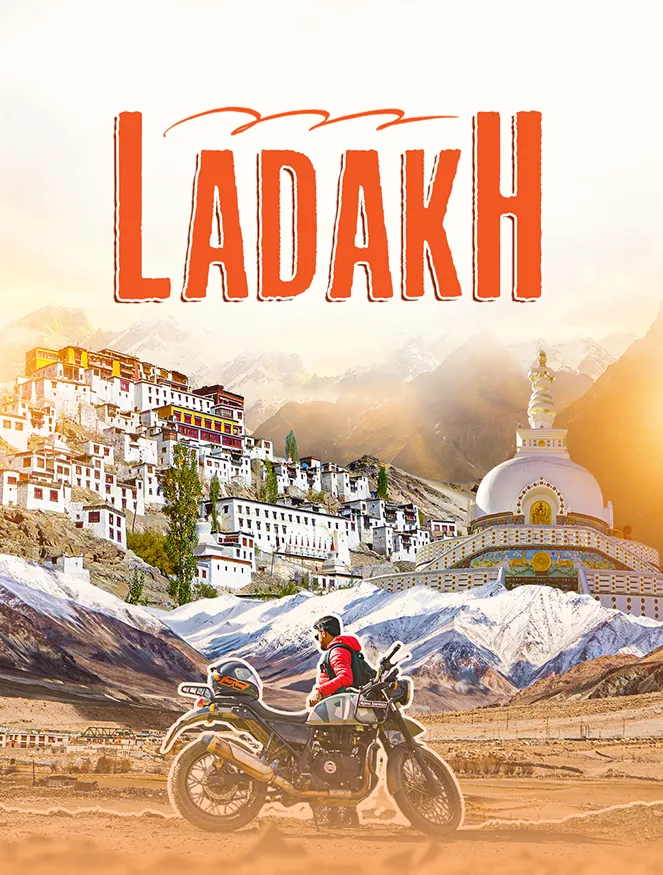
Leh, Nubra & Turtuk, Ladakh
Ladakh with Turtuk
From ₹21,999/-
per person
Leh, Turtuk & Tso Moriri, Ladakh
Leh Ladakh with Turtuk & Tso Moriri
From ₹24,999/-
per person
728 × 90 — Leaderboard
❓ Frequently Asked Questions
Which is better, Spiti or Ladakh?
Which is cheaper, Spiti or Ladakh?
What is the best time to visit Spiti?
What is the best time to visit Ladakh?
Do Indians need a permit for Spiti?
Do Indians need a permit for Ladakh?
Can I fly to Spiti?
How do I avoid altitude sickness?
Where does the TravelTech Spiti trip start?
Can I do Spiti and Ladakh in one trip?
📚 Related Guides
More Travel Stories

Holi 2027: Best Places to Celebrate Holi in India
Holi 2027 is on 23 March. See the best places to celebrate Holi in India, from Mathura, Vrindavan and Barsana to Pushkar, Kasol and Udaipur, with safety tips.

Jaisalmer Desert Camp Trip: Itinerary, Cost & Best Time
Plan a Jaisalmer desert camp trip with the best time, how to reach, a 4-day Jaisalmer and Jodhpur itinerary, camp details, costs and packing tips.

Best Group Trips Under ₹10,000 in India (2026–27)
Find 14 budget group trips in India under ₹10,000, from Udaipur and Pachmarhi to Manali, Rishikesh and Himalayan treks, with prices, durations and inclusions.