

A complete Valley of Flowers trek guide for 2027: best time to see the bloom, route from Rishikesh, day-wise itinerary, difficulty, permits, Hemkund Sahib and packing tips.
Quick answer: The Valley of Flowers trek in Uttarakhand is an easy to moderate monsoon trek that most fit beginners can do. The national park is usually open from 1 June to 31 October, and the best bloom is from mid-July to mid-August. You drive from Rishikesh to Govindghat, take a short ride to Pulna, trek about 9 to 10 km to Ghangaria and then walk around 4 km into the valley. Plan 6 days from Rishikesh and back, and add Hemkund Sahib on the same trip.
Most Himalayan treks are about snow, summits and big views. This one is about colour. For a few weeks every monsoon, a high valley in the Chamoli district of Uttarakhand fills with wild flowers, mist drifts over the meadows and the Pushpawati river runs milky blue through the middle. The valley is part of a UNESCO World Heritage Site and has been drawing botanists and trekkers ever since the mountaineer Frank Smythe wrote about it in the 1930s. This guide explains when to go, how to reach, what each day looks like and how to prepare.
Valley of Flowers trek at a glance
Detail | What to know |
|---|---|
Location | Chamoli district, Uttarakhand |
Base village | Ghangaria |
Altitude of the valley | About 3,600 metres |
Trek distance | Roughly 38 to 40 km in total, including Hemkund Sahib |
Difficulty | Easy to moderate |
Season | June to October, best in July and August |
Ideal duration | 6 days from Rishikesh or Haridwar |
Best time to see the flowers
The park opened on 1 June and closed on 31 October in the 2026 season, and the dates are normally the same every year. The forest department confirms them before each season, so check once before booking for 2027.
June: the snow is melting, the trail is quiet and the first flowers appear. Good for people who dislike rain, but the valley is not yet in full colour.
July to mid-August: peak bloom. This is when the meadows are at their brightest and when you are most likely to see the Himalayan blue poppy. It is also the wettest period, so expect showers every day.
Late August to September: the rain eases, the flowers begin to fade and the views of the peaks improve. The valley turns golden green.
October: cold, clear and almost flowerless, but peaceful.

How to reach Govindghat
Govindghat, on the road to Badrinath, is the roadhead for the trek.
By train: the nearest major stations are Haridwar and Rishikesh, connected to Delhi and many other cities.
By air: Jolly Grant airport in Dehradun is the nearest airport.
By road: from Rishikesh it is a full day of driving, about nine to ten hours, through Devprayag, Rudraprayag and Joshimath. Most groups stop for the night at Joshimath, Pipalkoti or Govindghat.
Travellers from Indore, Bhopal, Mumbai, Pune, Bengaluru and Hyderabad usually take a train or flight to Delhi or Dehradun and join the group at Rishikesh or Haridwar. Our Rishikesh trip guide covers the train options from central India.
6-day Valley of Flowers trek itinerary
Day 1, Rishikesh to Joshimath or Govindghat: a long, scenic drive along the Alaknanda river, past the confluences at Devprayag and Rudraprayag. Check in, eat a warm dinner and rest.
Day 2, Govindghat to Ghangaria: a short vehicle ride takes you to Pulna, where the walk begins. The stone-paved trail climbs steadily for about 9 to 10 km beside the river, with tea stalls every little while. Most people take four to six hours. Overnight in a lodge at Ghangaria.
Day 3, the Valley of Flowers: start early, show your permit at the gate and walk around 4 km into the valley. The trail crosses a bridge over the Pushpawati and opens into wide meadows. Walk as deep as time allows, eat your packed lunch among the flowers and return to Ghangaria by late afternoon.
Day 4, Hemkund Sahib: a steep 6 km climb leads to the gurudwara and the glacial lake at more than 4,300 metres. Brahma Kamal, the state flower of Uttarakhand, grows on these slopes. Come down to Ghangaria for the night.
Day 5, Ghangaria to Govindghat and Joshimath: walk back down to Pulna and drive on. If time allows, some groups visit Badrinath and Mana village, a short drive from Govindghat.
Day 6, drive to Rishikesh: return by evening and take an overnight train or bus home.
How difficult is it, honestly?
There is no technical climbing, no camping and no snow crossing in the main season, which is why this is called a beginner trek. The challenge is distance and rain. Day 2 is a long uphill walk, the Hemkund climb is steep and the air is thinner than at home. If you can walk 5 km in an hour on flat ground and climb stairs without stopping, you can do this trek with a few weeks of practice.
A simple four-week fitness plan
Walk or jog for 30 to 45 minutes, five days a week.
Climb stairs for 10 to 15 minutes, three times a week.
Do one long walk of 8 to 10 km every weekend, with the shoes and bag you will carry.
Add squats and stretching to protect your knees on the way down.
Permits, stay and food
Permit: every visitor needs a forest department entry permit, checked at the gate near Ghangaria. Fees are different for Indian and foreign visitors and are revised from time to time. Carry original ID.
Stay: Ghangaria has simple lodges and guesthouses. Rooms are basic, hot water usually comes in a bucket and electricity can be irregular.
Food: small restaurants serve dal, rice, roti, parathas, noodles and tea. The gurudwara at Ghangaria also runs a langar.
Mules, porters and helicopter: mules and porters are available between Pulna and Ghangaria, and a helicopter service runs between Govindghat and Ghangaria when the weather permits. Nothing motorised goes into the valley itself.
What to pack for a monsoon trek
Waterproof trekking shoes with good grip and two or three pairs of quick-dry socks.
A poncho or rain jacket and a rain cover for your backpack.
Quick-dry T-shirts and trek pants. Avoid jeans, which stay wet for days.
A fleece and a light padded jacket for the evenings in Ghangaria.
A trekking pole, a cap, sunglasses and sunscreen.
A reusable water bottle, energy bars and electrolyte sachets.
Zip-lock bags for your phone, cash and ID, a power bank and a torch.
Personal medicines and a small first-aid kit.
Rules inside the national park
The valley is a protected area, and the rules are simple. Do not pluck flowers or carry plants out. Stay on the marked trail. Carry all your wrappers and bottles back to Ghangaria. Entry is allowed only during the day, and everyone must be out by evening, so start early. Drones need special permission.
Safety tips for the monsoon
Keep a buffer day. Landslides on the Rishikesh to Joshimath road are common in the rains and can delay you by several hours.
Start every trekking day early. Mornings are usually clearer, and afternoons bring rain.
Walk at your own pace. Short steps, steady breathing and regular sips of water work better than speed.
Watch for altitude symptoms at Hemkund Sahib, such as headache or nausea, and descend if they do not settle.
Go with a team. A trek leader who knows the trail, the lodges and the weather makes a big difference in the monsoon.
Other treks to pair it with or try next
If you enjoy this trek, the next steps are easy to pick. Hampta Pass near Manali is a classic crossover trek for the same monsoon months, and Chopta, Tungnath and Chandrashila is a short trek that works almost all year, as our Chopta trek guide explains. For the cold months, see our list of the best winter treks in India.
What you will actually see
Do not expect a manicured garden. The valley is a wild alpine meadow about 8 km long, and the colours change every two weeks as one set of flowers fades and another opens. Early in the season you see primulas and anemones near the melting snow. By late July the slopes are covered with pink balsam, blue geraniums, cobra lilies and bellflowers, and patient walkers find the blue poppy among the rocks. Waterfalls drop from the cliffs on both sides, and on a clear morning the snow peaks at the head of the valley show through the clouds. Birds and butterflies are everywhere, and the area is home to shy animals such as the musk deer and the Himalayan black bear, though sightings are rare.
What decides the cost
The cost of the trek depends on where you start, the kind of transport from Rishikesh, the stay category in Ghangaria, and whether permits, meals, mules and a trek leader are included. Group departures bring the price down because transport and guides are shared. TravelTech's Valley of Flowers group trek currently starts from about ₹8,999 per person, and the trip page lists what is included. Travel to Rishikesh or Haridwar is separate.
Trekking with TravelTech
TravelTech has organised trips for more than eight years, has run group travel since 2019 and has hosted 25,000 to 30,000 travellers. Our group treks run with a trek leader, fixed stays and a clear day-wise plan, and many people join alone and come back with friends. If it is your first time, read how TravelTech group trips work and our guide to a strangers trip in India. The trip cards below show starting prices, and the trip page has current dates and inclusions.
Final word
The Valley of Flowers does not ask for mountaineering skills. It asks for a week of your time, a good raincoat and the patience to walk slowly. Go in July or August, keep a spare day for the weather and you will see one of the gentlest and most colourful corners of the Himalayas.
✈️ Related Trips from TravelTech
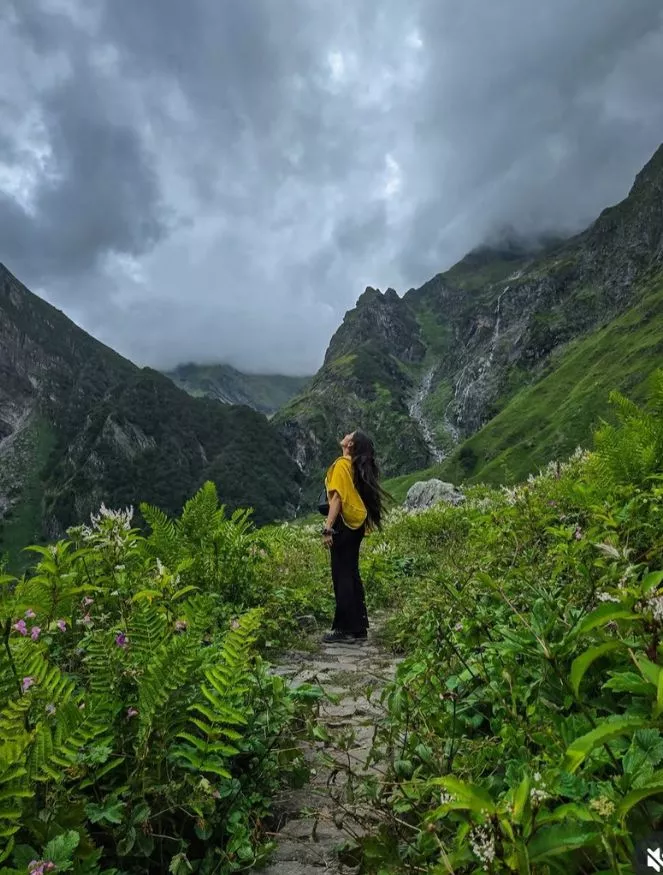
Chamoli, Uttarakhand
Valley of Flowers Trek
From ₹8,999/-
per person
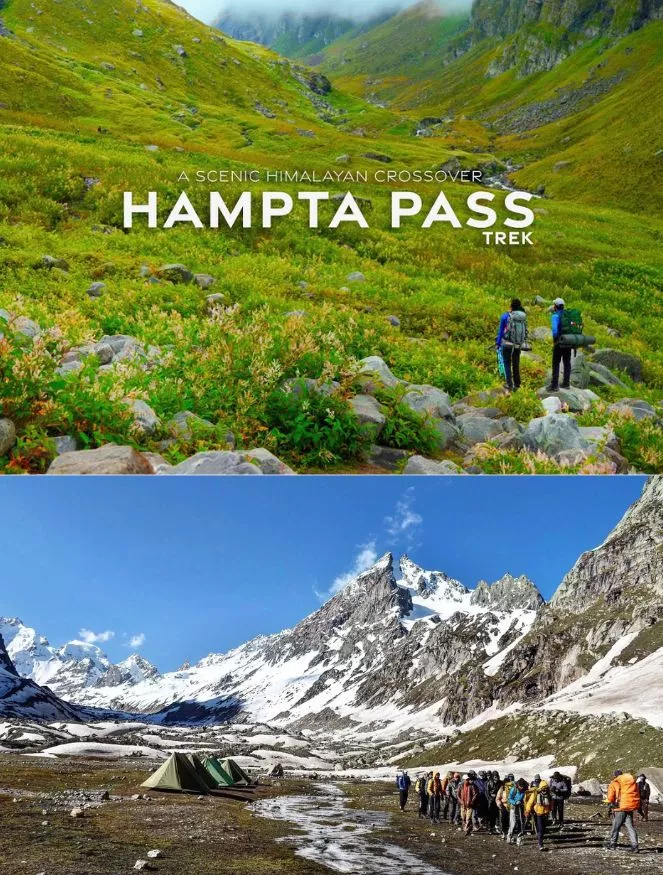
Manali, Himachal Pradesh
Hampta Pass with Chandratal Trek
From ₹6,999/-
per person
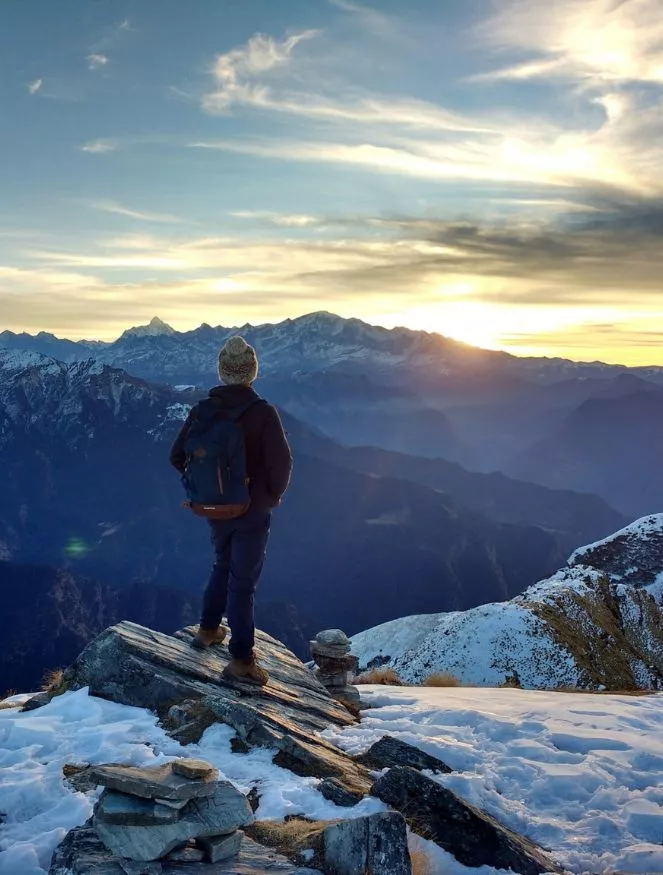
Chopta, Uttarakhand
Chopta, Tungnath & Deoriatal Trek
From ₹5,499/-
per person
Uttarakhand
Uttarakhand Circuit – Rishikesh, Mussoorie, Nainital & Jim Corbett
From ₹16,099/-
per person
728 × 90 — Leaderboard
❓ Frequently Asked Questions
What is the best time to do the Valley of Flowers trek?
How difficult is the Valley of Flowers trek?
How long is the Valley of Flowers trek?
How many days are needed for the Valley of Flowers trek?
Can I stay overnight inside the Valley of Flowers?
Is a permit required for the Valley of Flowers?
Can beginners and first-time trekkers do this trek?
Is it safe to trek to the Valley of Flowers in the monsoon?
Is there mobile network and ATM on the trek?
Can I visit Hemkund Sahib on the same trip?
📚 Related Guides
More Travel Stories

Mathura Vrindavan Trip Plan: 3-Day Itinerary, Temples & Holi Tips
Mathura Vrindavan trip plan with a 3-day itinerary, key temples and timings, Govardhan and Barsana, how to reach, best time, food and Holi 2027 tips.

Group Trips from Delhi: 10 Best Trips to Join Solo or with Friends
Best group trips from Delhi: Manali, Kasol, Rishikesh, Spiti, Jaipur and Himalayan treks, with how to join, what is included, safety rules and booking tips.

Best Honeymoon Places in India: 12 Romantic Destinations by Season
Best honeymoon places in India by season: Kashmir, Manali, Kerala, Udaipur, Andaman, Goa and more, with ideal months, days needed and planning tips.