
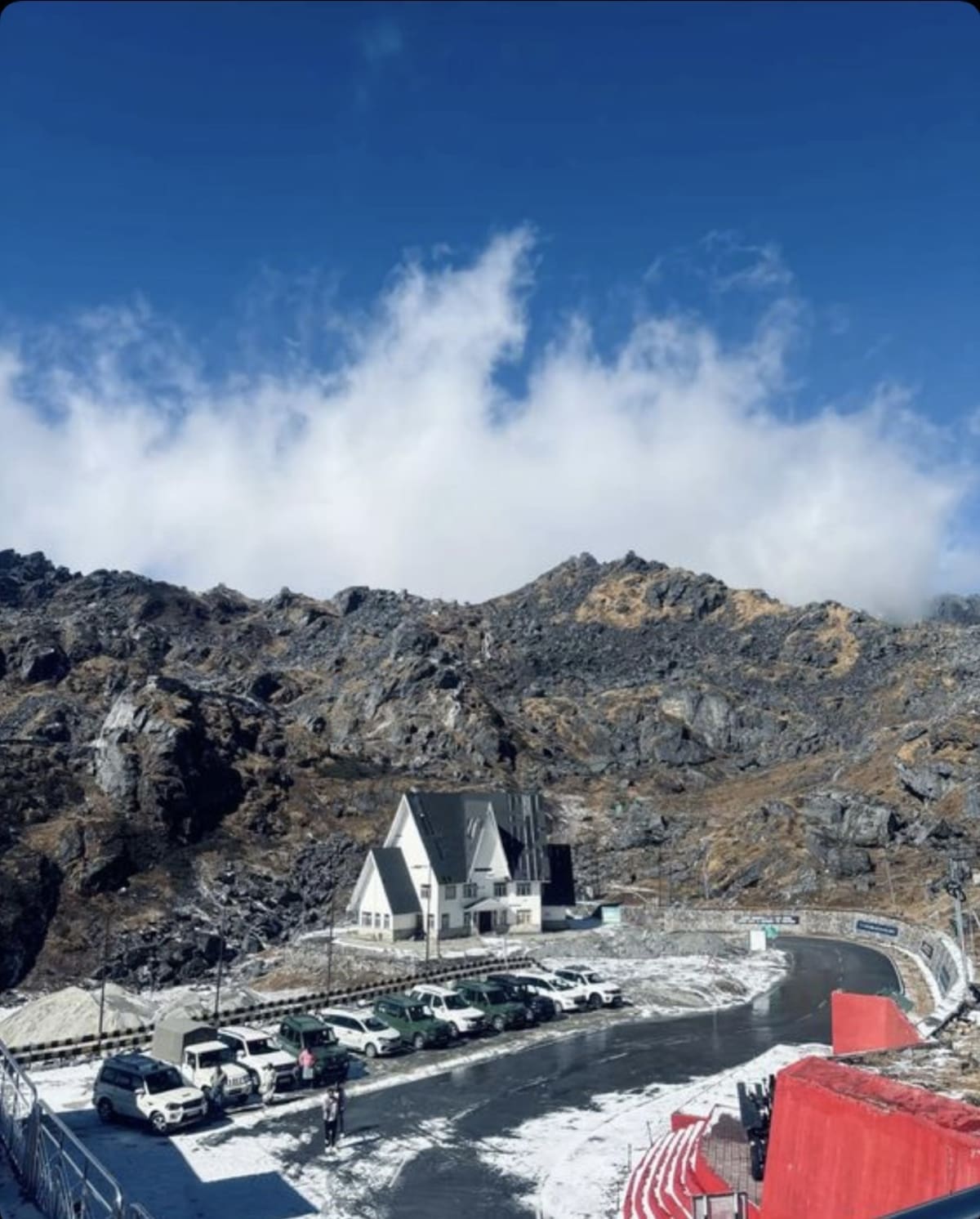
Planning Sikkim in November? Explore the pleasant mountain views, chilly weather, best sightseeing spots and essential packing tips for a memorable Himalayan getaway with TravelTech.
Quick answer: Yes, November is one of the best months to visit Sikkim. The monsoon is over, skies are mostly clear, and Kanchenjunga views are at their best. Days in Gangtok are cool and pleasant while nights get cold, and high-altitude spots like Tsomgo Lake, Nathula and Yumthang can see early snow by late November. Pack warm layers, a down jacket and good shoes, and keep a buffer day for weather.
Sikkim’s relationship with its mountains goes far beyond scenery. Mount Khangchendzonga holds deep cultural and spiritual significance for local communities, and the mountain is associated with Sikkim’s guardian deity. That connection helps explain why the Himalayas here feel like more than a backdrop to a holiday.
November brings a different personality to this mountain state. The monsoon season has generally passed, the air turns cooler, and clear mornings can offer beautiful views of the Himalayan ranges. The streets of Gangtok remain lively, while the surrounding hills feel quieter and more suited to slow travel.
If you are planning Sikkim in November, expect cool weather, cold evenings, mountain viewpoints and plenty of opportunities for photography. It is an especially appealing time for travellers who prefer sightseeing over the heavy rains of the monsoon season.
There is one thing worth understanding before you book: Sikkim is not a single-temperature destination. Gangtok, Pelling and the high-altitude areas around Tsomgo Lake experience different conditions. A comfortable afternoon in the city can feel bitterly cold on a mountain excursion.
Snow is possible at higher elevations, depending on the weather, but it is not guaranteed throughout November.
Sikkim Weather in November: What Should You Expect?
November is generally a cool, increasingly wintry month. The official Sikkim tourism information highlights how dramatically the state’s climate changes with altitude, from relatively warm lower valleys to cold alpine areas.
For planning purposes, use the following as approximate expectations rather than a guaranteed forecast.
Destination | Typical November conditions | What to wear |
Gangtok | Cool days, cold evenings | Full sleeves, fleece and a warm jacket |
Pelling | Chilly mornings and evenings | Layers and a winter jacket |
Ravangla | Cold mountain air, especially early and late | Fleece, warm jacket and covered shoes |
Tsomgo Lake | Much colder and often windy | Thermal layers, insulated jacket, gloves and cap |
Nathula Pass | Potentially freezing at high altitude |
Temperatures vary by date, elevation and local weather. Check the forecast shortly before travelling, particularly for excursions above Gangtok.
Is November a good time to visit Sikkim?
Yes, for travellers who enjoy cool weather, mountain scenery and a winter atmosphere without needing every day to be snowy.
The first half of November may feel more comfortable for outdoor sightseeing, while the second half can bring sharper cold, particularly at higher elevations. If you want to photograph mountain landscapes, try to keep your early mornings flexible. Clouds can still obscure the peaks even during a generally favourable season.
Does it snow in Sikkim in November?
Snowfall is possible in higher-altitude locations, but it is not something you should build your entire holiday around. Gangtok does not reliably experience snowfall in November, and Tsomgo Lake or Nathula Pass can have very different conditions from the town.
If fresh snow is essential to your trip, keep your dates flexible and check current local conditions. Never assume that a destination will be open simply because it appears on a tour itinerary.
Best Places to Visit in Sikkim in November?
Gangtok: Start with the mountain town
Gangtok is the natural starting point for many Sikkim holidays. Its mix of monasteries, cafés, markets and mountain viewpoints makes it an easy place to settle into the region.
Spend time around MG Marg, where you can walk without the usual rush of city traffic in the pedestrianised area, browse local shops and enjoy a warm drink after sunset. Early mornings are worth keeping free for viewpoints if the sky is clear.
Gangtok is also a practical base for planning permitted excursions to higher elevations.
Tsomgo Lake: A high-altitude landscape
Tsomgo Lake, also called Changu Lake, is one of Sikkim’s best-known attractions. Surrounded by mountain slopes, the lake changes in appearance with the season and the light.
November can bring a wintry atmosphere, and colder spells may affect conditions around the lake. It is a place to visit slowly rather than rush through for photographs.
The lake lies in a protected area, so the required permit and current access arrangements must be checked in advance. Weather, road conditions and local restrictions can affect whether the excursion operates.
Nathula Pass: A journey towards the border
Nathula Pass is a high-altitude mountain pass on the India–China border. For many visitors, the journey is as memorable as the destination itself.
The landscape becomes harsher as the road climbs, and the temperature can drop quickly. Nathula is subject to permit requirements, operating restrictions and weather-related closures. Access should never be assumed, even if the pass appears in a proposed itinerary.
Carry proper winter clothing and follow the instructions of your driver and local authorities.
Pelling: For views of Khangchendzonga
Pelling, in western Sikkim, is a strong choice for travellers who want mountain views and a slower pace. On clear mornings, the surrounding Himalayan landscape can be spectacular.
Visit Pemayangtse Monastery for its cultural significance and peaceful setting. You can also explore the area’s viewpoints and heritage attractions, depending on available time and road conditions.
Pelling is particularly rewarding when you allow enough time to enjoy the landscape instead of treating every stop as a quick photograph.
Ravangla and Buddha Park
Ravangla offers a quieter mountain-town atmosphere, while Buddha Park at nearby Ravangla is known for its large Buddha statue and landscaped surroundings.
It is a good addition to an itinerary that combines scenery with cultural experiences. The cooler air makes warm layers useful, especially if you arrive early in the morning.
Rumtek Monastery: A cultural stop near Gangtok
Rumtek Monastery is an important centre of Tibetan Buddhist tradition. Its architecture, prayer spaces and setting offer a different experience from Sikkim’s lakes and mountain viewpoints.
Dress respectfully, keep noise low and follow any photography restrictions. Visiting a monastery is best approached as a cultural experience rather than simply another sightseeing stop.
Best Time to Visit Sikkim: Season by Season
Winter — December to February:
Expect colder weather, especially at higher elevations. Snow may occur in some places, but road access can be affected by winter conditions.
Spring — March to May:
A popular period for travellers who enjoy milder temperatures, flowering landscapes and sightseeing. Conditions vary by altitude.
Monsoon — June to September:
Heavy rain, landslides and road disruptions can make travel less predictable. Keep additional time in your schedule if travelling during this period.
Autumn — October to November:
good period to consider for mountain scenery and outdoor sightseeing after the main monsoon season. November becomes progressively colder, particularly towards the end of the month.
Best months for a TravelTech group trip
For a Sikkim group holiday, October and the first half of November are sensible periods to consider if your priorities are sightseeing, comfortable travel conditions and Himalayan views.
Actual group departure dates and availability should be checked on the live package page.
What to Eat in Sikkim
Sikkim’s food is especially comforting when the weather turns cold. Warm noodle soups, dumplings and local dishes are easy choices after a long day on the road.
Momos: Steamed or fried dumplings, often served with a spicy dipping sauce.
Thukpa: A hot noodle soup that works well on cold evenings.
Phagshapa: A traditional Sikkimese dish made with pork and radish, often prepared with chillies.
Gundruk: A fermented leafy-green preparation used in local meals.
Sel roti: A ring-shaped rice bread associated with Nepali food traditions.
Chhurpi: A traditional Himalayan cheese that comes in different forms.
Local tea: A simple way to warm up while taking a break from sightseeing.
Menus and preparation differ from one restaurant to another. If you have dietary restrictions, ask about ingredients before ordering.
Where to Stay in Sikkim
Your choice of accommodation should depend on the route, budget and the amount of time you want to spend travelling each day.
Luxury stays: Look for established hotels or resorts in Gangtok and Pelling with heating arrangements, convenient transfers and views where available. Confirm whether heating is included and whether it operates throughout the night.
Boutique hotels and homestays: These can offer a more personal experience and a chance to learn about local food and culture. Check the property’s location carefully, particularly if you plan to walk around after dinner.
Budget accommodation: Guesthouses and simple hotels can work well for travellers who plan to spend most of the day sightseeing. In November, do not choose purely on price: hot water, bedding and heating arrangements matter.
For North Sikkim or other high-altitude areas, confirm accommodation availability and road access before finalising the route. Standards and facilities may differ from those in Gangtok.
What to Pack for Sikkim in November
Packing for Sikkim is less about carrying the thickest possible jacket and more about preparing for different temperatures during the same day.
Essential clothing
Thermal tops and bottoms, particularly for high-altitude excursions.
Full-sleeved T-shirts and comfortable trousers.
A fleece or woollen mid-layer.
A warm, wind-resistant winter jacket.
A woollen cap, gloves and warm socks.
Comfortable walking shoes with good grip.
An extra pair of socks and a spare layer in your day bag.
Personal essentials
Moisturiser and lip balm for dry, cold weather.
Sunscreen and sunglasses, even when the air feels cold.
Personal medication and a basic first-aid kit.
A reusable water bottle.
A power bank, charging cables and offline maps.
A small backpack for daily excursions.
Documents and money
Keep your photo identification, transport tickets, hotel confirmations and emergency contacts accessible. For permit-controlled destinations, follow the operator’s instructions on the documents required.
Carry some cash for small purchases and places where digital payments may be unreliable. Keep a separate reserve for unexpected transport or weather-related changes.
What should you wear for Tsomgo Lake and Nathula?
For these higher-altitude excursions, wear thermal layers, a warm jacket, gloves, a cap and sturdy footwear. Wind can make the temperature feel much lower than it does in Gangtok.
Avoid buying specialist snow gear unless your itinerary and forecast justify it. A well-layered winter outfit is often more practical for a standard sightseeing holiday.
🚗 How to Reach
By air
Bagdogra Airport (IXB), near Siliguri in West Bengal, is the main air gateway for most Sikkim trips. From the airport, Gangtok is approximately 124 km away, usually around 4–5 hours by road, depending on traffic and road conditions.
By train
New Jalpaiguri (NJP), near Siliguri, is the nearest major railway station for travellers heading to Gangtok. From NJP, you can hire a private taxi, take a shared vehicle or arrange a transfer through your tour operator. The road journey generally takes around 4–5 hours, although delays are possible. Book your train and onward transfer with enough time between connections.
By road
Gangtok is connected to Siliguri and nearby towns by road. Private taxis, shared jeeps and bus services are available, depending on your route. In November, carry a warm jacket for roadside stops and evening arrivals. Check local road conditions before travelling to high-altitude destinations such as Tsomgo Lake and Nathula Pass, where access depends on permits, weather and official restrictions.
✈️ Related Trips from TravelTech
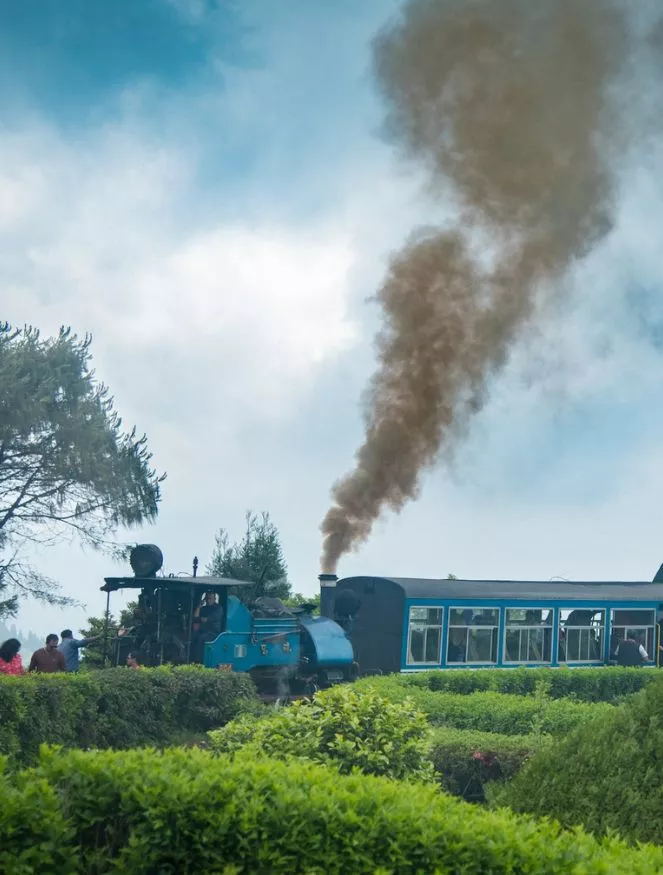
Gangtok, Sikkim & Darjeeling
Gangtok & Darjeeling Trip
View details
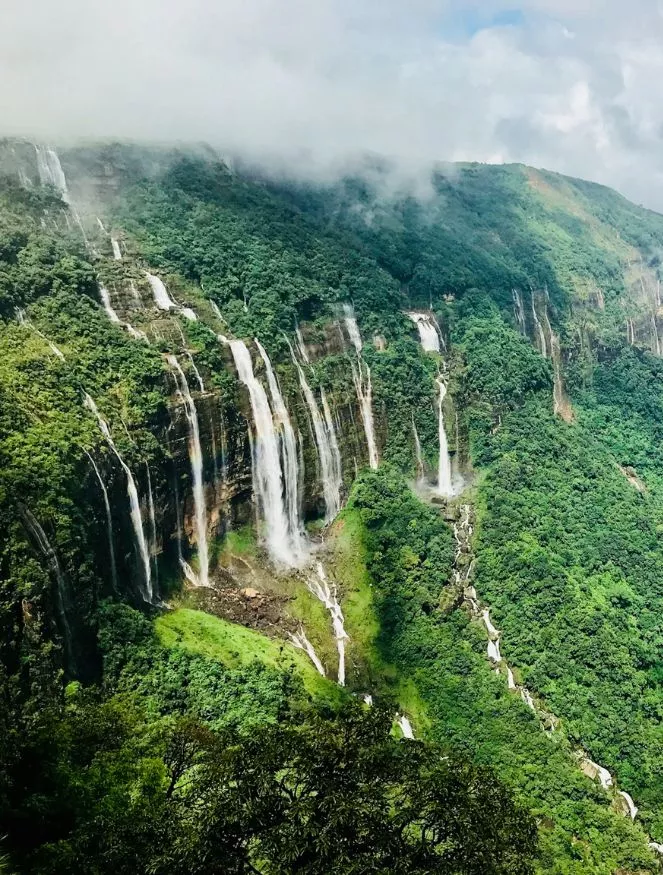
Shillong & Cherrapunji, Meghalaya
Meghalaya Road Trip (Ex Guwahati)
From ₹18,999/-
per person
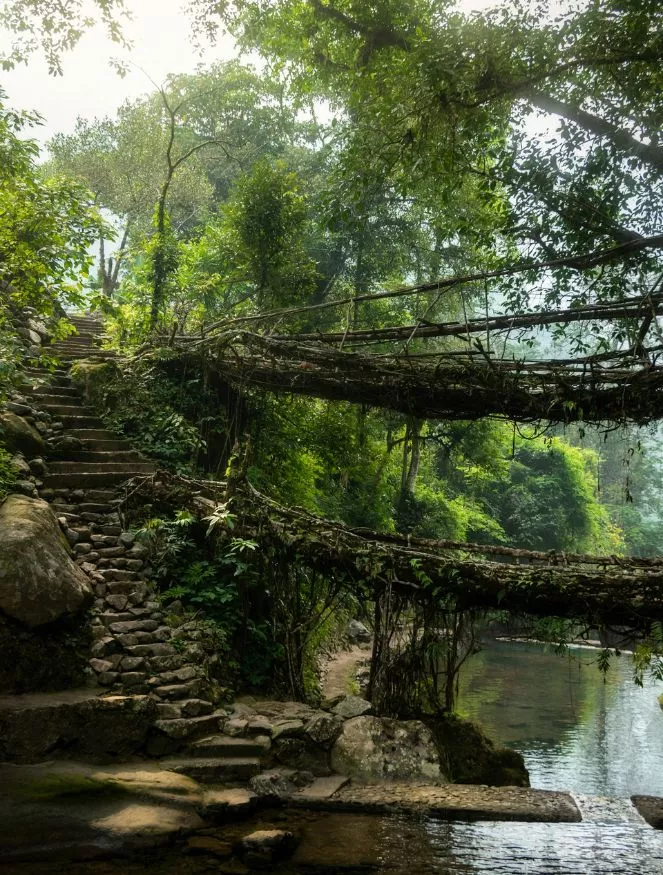
Meghalaya & Assam
Meghalaya with Kaziranga National Park
From ₹20,999/-
per person

Srinagar, Gulmarg, Sonamarg & Pahalgam
Fitoor-E-Kashmir Strangers Trip
From ₹12,999/-
per person
728 × 90 — Leaderboard
❓ Frequently Asked Questions
Is November a good time to visit Sikkim?
What is the temperature in Sikkim in November?
Can I see snow in Sikkim in November?
Which places should I visit in Sikkim in November?
What clothes should I pack for Sikkim in November?
Is Sikkim suitable for a family or honeymoon trip in November?
How many days are enough for Sikkim?
Is Nathula Pass open in November?
Is Yumthang Valley accessible in November?
Is November peak season in Sikkim?
📚 Related Guides
More Travel Stories

Weekend Getaways from Delhi in Winter: 12 Best Places
Find the 12 best winter weekend getaways from Delhi, from Rishikesh and Jaipur to Lansdowne and Jim Corbett, with drive times, budgets and a 2-day plan.

Best Winter Treks in India 2026: 10 Snow Treks for Beginners
Compare the 10 best winter treks in India for 2026, from Kedarkantha and Brahmatal to Nag Tibba, with difficulty, routes, costs and a packing list.

Christmas Trip in India 2026: 8 Best Places to Celebrate
Find the best places for a Christmas trip in India in 2026, from Goa and Shillong to Kochi and Kashmir, with long weekend plans, budgets and booking tips.