
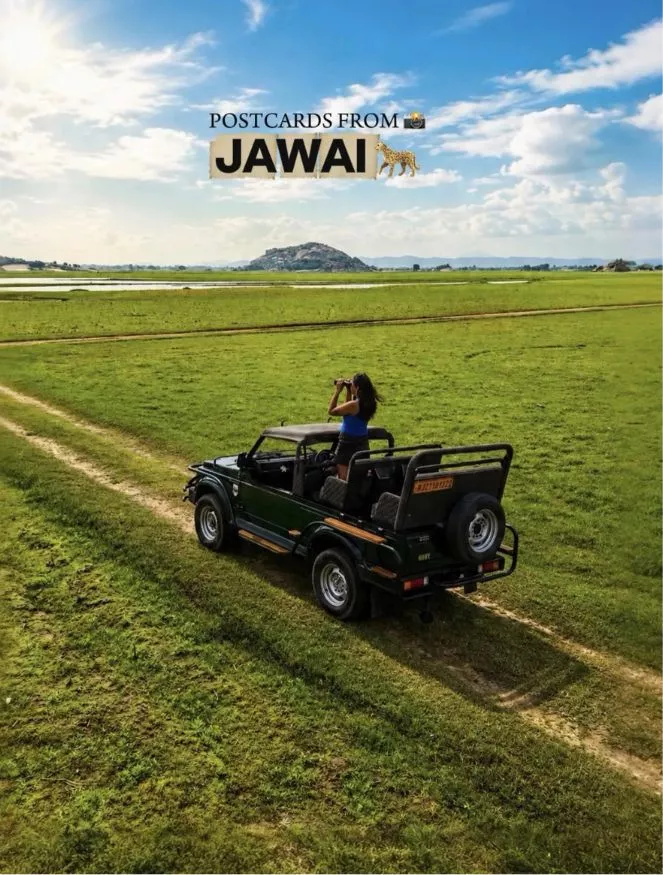
Plan a Ranthambore tiger safari with zone guide, booking tips, best time, gypsy vs canter, budget and a 2-day plan from Jaipur.
Quick answer: Ranthambore National Park near Sawai Madhopur is one of India's best places to see wild tigers. Book your safari in advance on the official Rajasthan forest department portal, choosing a gypsy (6 seats) or canter (about 20 seats) and a zone. Zones 1–6 are the most popular for tiger sightings, and the core zones usually close from July to September. October to June is the safari season, with April–May best for sightings. Jaipur is about 3.5–4 hours away, and 2 days with 2–3 safaris is ideal.
Most national parks give you trees. Ranthambore gives you trees, tigers and a hill fort that looks like it grew out of the forest. Crumbling ruins sit beside quiet lakes, a Ganesh temple hides inside the fort walls, and the whole area was once a royal hunting ground. That mix is why Ranthambore Tiger Reserve, in Sawai Madhopur, Rajasthan, is one of India's most popular tiger reserves, and why a trip here feels part wildlife safari, part history walk.
It is also one of the trickiest reserves to book, which is where most first trips quietly go wrong. Permits, zones, vehicles and very early starts: miss one detail and you spend the trip wondering what you could have done differently. This guide fixes that, whether you are a first-timer, a family, a photographer or a group of friends.
What you will find inside:
An honest answer on whether you will see a tiger
Safari booking, step by step, without look-alike sites
Zones and vehicles, explained simply
The fort, temple and lakes beyond the safari
A 3-day plan, stays, budget, packing and a night-before checklist
The 60-Second Version
When: The park is generally open from October to June and closed during the monsoon (July to September).
Book first: Get your safari permit before you book non-refundable hotels or transport, and use only the official forest department portal.
Zones: Zones 1-5 are the core area; zones 6-10 are buffer zones. Tigers are seen in both.
Vehicles: Gypsy (6 seats) or canter (20 seats).
How many safaris: Two or three drives give you a far better chance than one.
How long: Two nights is the sensible minimum.
Not just tigers: The fort, a Ganesh temple, lakes and ruins make the trip worthwhile even without a sighting.
Will You Actually See a Tiger?
Nobody can promise it. Travellers report very different outcomes: some spot a tiger on their first drive, others spend a week and see none. Sightings depend on luck, the zone, the season and where the tigers happen to be that day.
You can improve your odds:
Book more than one safari, ideally in different zones.
Stay quiet and still. Travellers say the best sightings happen when the vehicle is calm.
Listen for alarm calls from langurs and deer. They often warn that a predator is nearby.
Consider the hotter months. In summer the forest is drier and animals come to lakes and waterholes, which many people find makes spotting easier.
Even on a drive without a tiger, you can see deer, birds, crocodiles, ruins and old banyan trees. Go for the whole forest, not just the tiger.
How Ranthambore Safari Booking Works
Safari booking is the part that confuses most travellers. Here is the order that works:
Use only the official forest department portal. Check that the web address ends in .gov.in. Many look-alike sites and agents charge extra, and some travellers describe the booking experience as confusing and expensive.
Create a login and choose the wildlife safari permit option. Pick your date, morning or afternoon slot, vehicle type and number of travellers.
Check how your zone is assigned. Sources differ on whether the zone is allotted at booking or at entry, so read what the booking screen says.
Keep valid photo ID ready for every traveller. Carry the original on the safari, not just a photo.
Book the permit before any non-refundable stay or transport. After you know your slot and gate, book a lodge close to the reporting point.
Know the booking window. Reported windows range from about 30 to 120 days ahead, and popular slots sell out fast. Check the live portal and set a reminder.
Reconfirm the reporting time, vehicle and gate the day before.
Prices vary by vehicle, nationality and season and change over time, so check the live permit screen before paying.
Safari Zones Explained
Zones | What they are | Best for |
|---|---|---|
1-5 | Core zones, the original safari area, historically strong for tiger sightings | First-timers who want the best tiger odds |
6-10 | Buffer zones added later | Landscape, birds and other wildlife, with tigers seen too |
Travellers argue endlessly about the "best zone", and for good reason: tigers move, and the popular zone this month may not be popular next month. Treat zone advice as a starting point, and check recent sightings before you decide. If you book two or three drives, mix zones.
Gypsy or Canter?
Gypsy (jeep) | Canter | |
|---|---|---|
Seats | 6 | 20 |
Cost | Higher per person | Lower per person |
Feel | Smaller group, quieter | Shared and busier |
Duration | Reported to run longer | Reported to be shorter |
Best for | Photographers, small groups | Budget travellers, big groups |
If you book two safaris, many travellers mix them: a gypsy for one drive and a canter for the other.
A Safari Day, Hour by Hour
Safari timings change with the season, so rely on the slot on your permit. A typical day looks like this:
Before dawn: Wake up early, dress in layers and carry your original ID and permit.
At the gate: Reach the reporting point on time, board your vehicle and wait for entry.
On the drive (about 3 to 3.5 hours): Stay seated and quiet. Your guide and driver follow the zone's route.
Mid-morning: Return for breakfast and rest.
Midday gap: A good time for the fort and the temple, if you have a second safari later.
Afternoon drive: Another 3 to 3.5 hours, often with softer light for photos.
Beyond the Safari
Ranthambore Fort
The fort stands on a hill inside the park, roughly 213 metres high, and is a UNESCO World Heritage Site. Sources disagree on exactly when it was built, from the 8th to the 10th century. Walk up for views over the forest and lakes. Many travellers visit it without a safari ticket, but check current entry rules before you go.
Trinetra Ganesh Temple
Inside the fort is the Trinetra (three-eyed) Ganesh Temple, believed to date back to around 1300 and linked to King Hammir. It is one of the oldest Ganesh temples in Rajasthan.
Padam Talao and Jogi Mahal
Padam Talao is the largest lake in the park and is known for its lotuses. On its edge is Jogi Mahal, an old royal hunting lodge, with one of the biggest banyan trees in India nearby. You can see it on a safari, and it is a good place to spot birds and wildlife.
Raj Bagh Talao and Malik Talao
These two lakes complete the trio inside the park. Raj Bagh Talao is often called the prettiest, with ruins around it.
Surwal Lake and Kachida Valley
Surwal is a seasonal lake about 25 km from the town, and Kachida Valley is another spot travellers add for variety. Check access and timing with your stay.
Natural History Museum and Dastkar
The Rajiv Gandhi Regional Museum of Natural History is about 9 km from Sawai Madhopur. Dastkar Ranthambore is a craft initiative that supports local communities, and a good place to shop.
Temples in Sawai Madhopur
If you have time between drives, the town has Kala Gaura Bhairav Temple, Chamatkar Jain Temple (dedicated to Adinath) and Amareshwar Mahadev.
A 3-Day, 2-Night Ranthambore Plan
Day 1
Arrive and check in
Reconfirm safari details with your stay
Evening: a lake or ruins visit, or your first safari if booked
Day 2
Morning: first safari
Midday: breakfast, rest, then the fort and Trinetra Ganesh Temple
Afternoon: second safari, ideally in a different zone
Day 3
Morning: an optional third safari, or the museum and Dastkar
Depart
If you only have one night: Book one afternoon and one morning safari back to back and skip the extras.
If you are travelling with family: Choose a gypsy or canter that suits your group, carry snacks and plan a long rest between drives.
Where to Stay
Most stays are along Ranthambore Road, close to the park gates, and range from budget lodges to luxury resorts. Book a lodge close to your reporting point after you have your permit, which saves a long early-morning transfer.
Near the gates: Short transfers, more resorts, higher prices.
In Sawai Madhopur town: Cheaper, with easier access to the railway station and temples.
Luxury and heritage stays: Popular for couples and families who want a resort experience.
Book stays near the park gates early for October to March and long weekends, as the best-located resorts fill up first.
Packing and Safari Rules
Pack
Warm layers for cold mornings in an open vehicle, plus sun protection for afternoons
Neutral or earthy colours (avoid bright clothing)
Original photo ID and a printed or saved permit
Binoculars, a camera and a power bank
Water, snacks and a scarf or cap
Safari rules
Stay seated and keep your voice low.
Do not make sudden movements or loud noises.
Follow your guide's instructions.
Check the park's current rules on mobile phones and cameras.
Do not litter or feed animals.
Budget: What Will It Cost?
Item | What to budget |
|---|---|
Safari permit | Book on the official forest department portal; the fee depends on vehicle type (gypsy or canter) and nationality |
Group trip | TravelTech's Rajasthan trips start from ₹3,699 per person (Jaipur with Ranthambore trip from ₹5,999) |
Stay | Budget hotels in Sawai Madhopur from about ₹1,500–₹3,000 per night; resorts near the gates cost more, especially in peak months |
Food | About ₹500–₹1,000 per person per day |
Local transport | Station transfers and local taxis, roughly ₹500–₹1,500 per day |
Extras | Ranthambore Fort and Trinetra Ganesh Temple, guide fees and shopping |
Book the permit first, then fit the rest around it.
Group Trip or DIY: Which Suits Ranthambore?
Ranthambore rewards planning, so it helps to know what you are signing up for either way.
Question | Planning it yourself | A TravelTech group trip |
|---|---|---|
Safari permit | You compete for slots on the portal | Safari inclusions are listed on the trip page, and the team coordinates timings |
Early starts | You arrange every transfer | The Trip Captain coordinates timings |
Company | Your own group | Meet fellow travellers; many reviewers say strangers became friends |
Flexibility | Full control | A fixed, curated itinerary |
Cost | Varies widely | Rajasthan group trips start from ₹3,699 per person (Jaipur with Ranthambore from ₹5,999) |
Reviewers on TravelTech's Rajasthan trips often mention their Trip Captain handling schedules and logistics, plus comfortable stays and good food. Explore TravelTech Rajasthan group trips, or message the team on WhatsApp with your dates.
Three things TravelTech tells every first-timer:
Secure your safari permit before you book anything else.
Plan at least two drives, so one quiet morning does not define your trip.
Pack warm layers for dawn and keep an afternoon free for the fort.
What Travellers Report, at a Glance
These are points that different travellers have written on their own blogs, not our own claims:
Topic | What different travellers say |
|---|---|
Tiger sightings | Mixed: some saw one on the first drive, others saw none in a week |
Booking | Often described as confusing, with look-alike sites and agents adding fees |
Canters | Seating is reported to be first-come, first-served |
Summer visits | Animals gather near lakes and waterholes, helping sightings |
Winter mornings | Cold in an open vehicle, so layers matter |
The fort | A pleasant surprise even on a quiet drive |
Myths vs Reality
Myth | Reality |
|---|---|
"Core zones guarantee a tiger." | No zone guarantees anything. Tigers move, and buffer zones see them too. |
"One safari is enough." | Sightings involve luck, so two or three drives improve your odds. |
"An agent will get you a better zone." | Extra payments are not a guarantee. Use the official portal and check how zones are assigned. |
"Summer is too hot to go." | Many travellers say April to June gives some of the best sightings. Just carry water and sun protection. |
"No tiger means a wasted trip." | The fort, lakes, ruins and birds make the trip worthwhile on their own. |
The Night-Before Checklist
Original photo ID for every traveller
Permit saved on your phone, plus a printout if possible
Reporting time and gate reconfirmed
Warm layers, cap and scarf packed
Camera and power bank charged
Water and snacks ready
Alarm set for before dawn
Phone on silent for the drive
Final Word: The Tiger Is the Bonus
The best Ranthambore trips are the ones planned around the forest, not just the tiger. A hill fort rising out of the trees, lakes with old ruins at their edges, a three-eyed Ganesh and a morning when every sound could mean something: that is the trip you can count on. The tiger is the bonus.
Your next move:
Pick your dates, keeping the closed monsoon months in mind.
Book your permit on the official portal.
Then build the stay, transport and extras around it, or let a group trip do that for you.
Build a Rajasthan Circuit
Add the lakes and palaces of Udaipur
Mix in colour and culture on Rangeelo Rajasthan
Browse all Rajasthan group trips
Read more travel stories on Safarnama
Which animal are you hoping to spot besides the tiger?
✈️ Related Trips from TravelTech
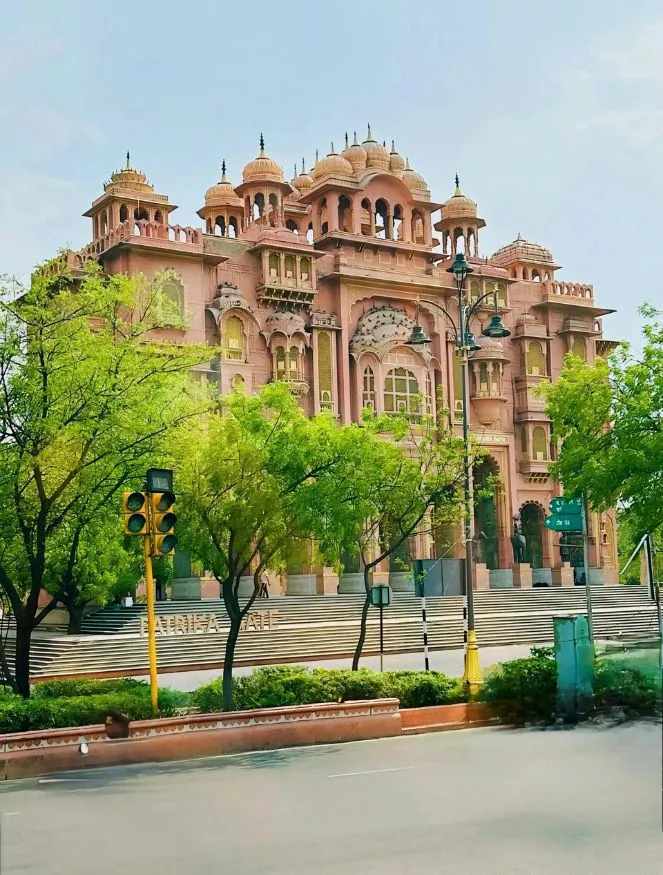
Jaipur & Ranthambore, Rajasthan
Jaipur with Ranthambore National Park
From ₹5,999/-
per person
Jaipur & Pushkar, Rajasthan
Jaipur with Pushkar Desert Bashing
From ₹6,999/-
per person
Jodhpur, Jaisalmer & Udaipur
Rajasthan Group Trip (Jodhpur, Jaisalmer, Udaipur)
From ₹8,999/-
per person
Jodhpur & Jaisalmer, Rajasthan
Jodhpur & Jaisalmer Trip
From ₹5,999/-
per person
728 × 90 — Leaderboard
❓ Frequently Asked Questions
How do I book a Ranthambore safari?
Which zone is best for tigers in Ranthambore?
What is the difference between a gypsy and a canter?
When is Ranthambore closed?
What is the best time to see tigers in Ranthambore?
How many safaris should I book in Ranthambore?
How far is Ranthambore from Jaipur?
Is Ranthambore Fort worth visiting?
What should I wear on a Ranthambore safari?
Does TravelTech run Ranthambore trips?
📚 Related Guides
More Travel Stories

Weekend Getaways from Delhi in Winter: 12 Best Places
Find the 12 best winter weekend getaways from Delhi, from Rishikesh and Jaipur to Lansdowne and Jim Corbett, with drive times, budgets and a 2-day plan.

Best Winter Treks in India 2026: 10 Snow Treks for Beginners
Compare the 10 best winter treks in India for 2026, from Kedarkantha and Brahmatal to Nag Tibba, with difficulty, routes, costs and a packing list.

Christmas Trip in India 2026: 8 Best Places to Celebrate
Find the best places for a Christmas trip in India in 2026, from Goa and Shillong to Kochi and Kashmir, with long weekend plans, budgets and booking tips.