
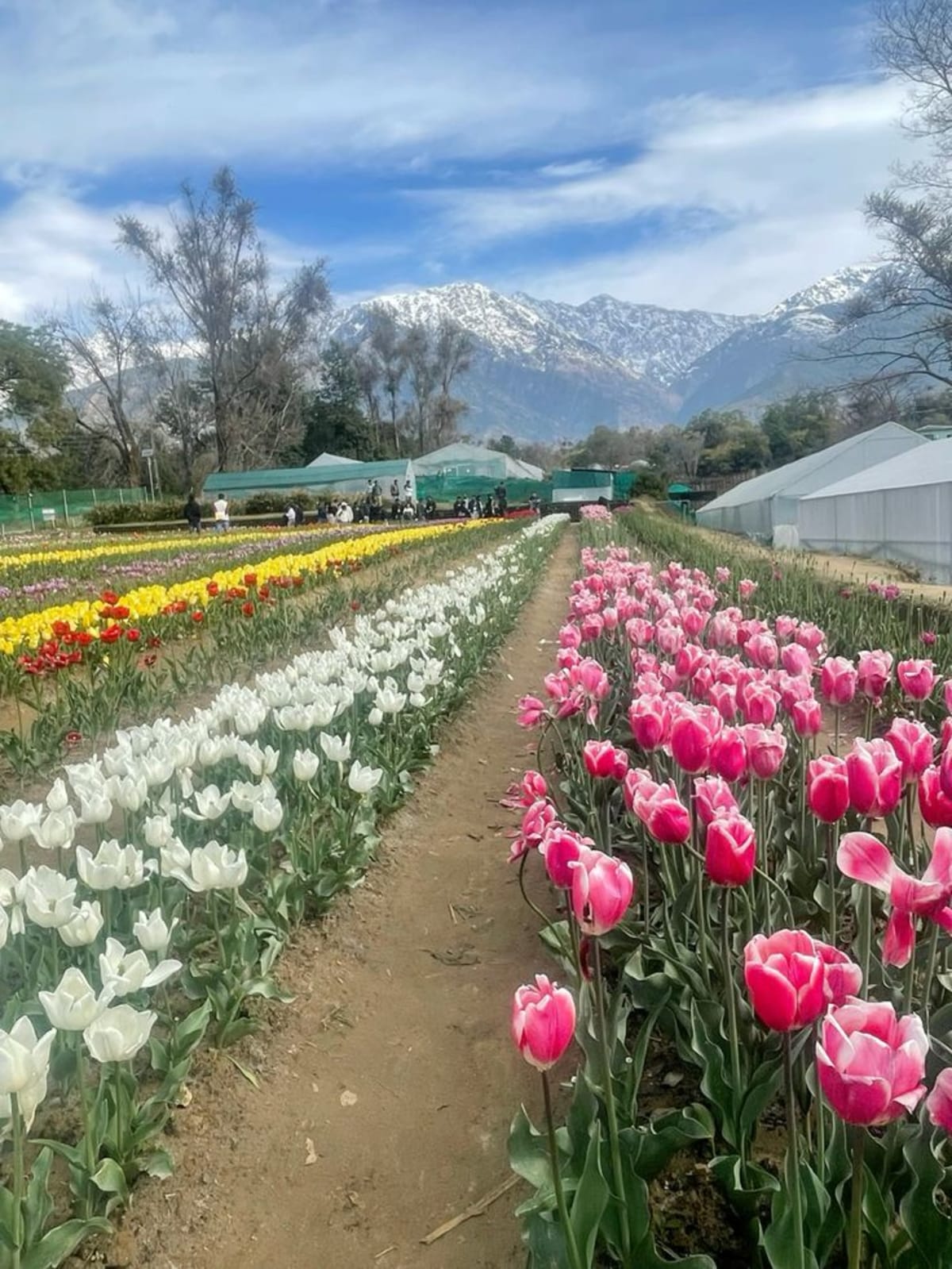
A Gentle Escape: Palampur’s Tea Gardens and Dhauladhar Horizons
Most travellers heading to Himachal think Manali or Shimla. I used to think the same way until I actually spent time here.
The difference? Palampur doesn't feel like a hill station that happens to have tea gardens. It feels like a tea-growing region that tolerates tourists. And that changes everything about how you experience it.
When I first drove through Palampur after visiting Manali a year earlier, the contrast was immediate. No honking, no crowded viewpoints, no "Rooftop Café with Wi-Fi" every 500 meters. Instead, long stretches of actual working plantations, small settlements where locals were going about their day, and genuinely quiet evenings.
The town actually is what it appears to be—a working tea-growing community where tourism is one part of life, not the whole story. And that authenticity is rare in Himachal.
Palampur works if you want to skip the commercial buzz and actually experience landscape and regional character, not just collect photos of it.
What Makes Palampur Worth the Trip
I keep coming back because:
Kangra tea estates – I used to just drive past them. Then I stopped, walked through an actual plantation, talked to workers, had chai sitting on the hillside looking at rows of green. That's when I understood why this town exists. (Heritage documented since 1848)
Dhauladhar range views – The mountains look completely different at sunrise, midday, and late afternoon. I photographed the same ridge three times in one day and got three different images. Still don't know which one I prefer.
Pine and deodar forests – Driving these roads actually feels rural. Not manicured, not "Instagram forest." Real.
Colonial-era influences – You notice the 19th-century architecture if you slow down. Not everywhere—just enough to remind you of the tea era.
Ancient temples – Baijnath especially. I went expecting a quick photo stop. Ended up sitting there for two hours reading about 1204 AD construction and wondering how much the valley has actually changed.
Village landscapes – Smaller settlements around Palampur show how people actually live here. Agricultural, not touristy. I've stopped in villages where nobody's selling anything; locals are just... living.
Access to Bir-Billing – When I needed adventure or café culture, a 30-minute drive got me there. Easy contrast.
Kangra art tradition – I visited Andretta thinking it was just another village. Turned out the painting tradition actually moved here in the 17th century when royal courts declined elsewhere. Suddenly the region made sense.
Not here for: Nightlife-heavy hill stations, guaranteed snowfall, or trying to see seven attractions before dinner.
Getting to Palampur: What Your Options Actually Look Like
From Indore (Multi-Day Journey)
What I learned the hard way: I once tried to drive Indore to Palampur in one shot thinking "it's just distance." It's not. The roads are northern Indian overland routes through multiple states. Not a weekend drive.
Best approach: Fly to Kangra Airport (38–40 km away), then drive to Palampur. This gets you there in actual time.
If flying isn't possible, train travel works but takes considerably longer than driving. Road-only from Indore isn't practical unless you're making it a multi-leg journey with stops.
From Other Nearby Cities
From Dharamshala: 35–40 km by road (~1–1.5 hours, depending on traffic and curves)
From Bir: 29–30 km (~45 minutes to 1 hour)
From Baijnath: 16–17 km (~30 minutes)
Getting In & Around
Nearest airport: Kangra Airport (Gaggal), 38–40 km away
Rail: Kangra Valley narrow-gauge railway; Palampur has its own station
Getting around town: Car hire or local transport recommended (distances look short on maps but mountain roads take longer than expected)
Top Things to Do in Palampur: Where to Actually Spend Your Time
1. Tea Gardens: More Than a Photo Stop
Why I'm telling you this: My first visit, I drove past tea gardens, took a photo, moved on. That's not Palampur.
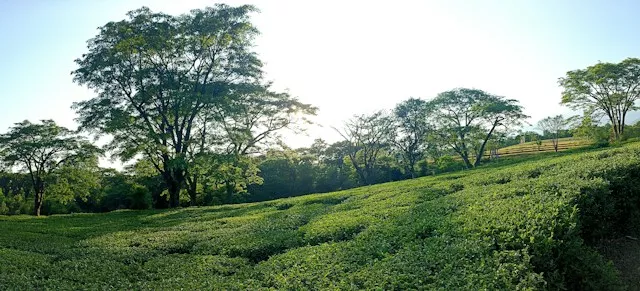
I came back and spent a morning walking through an actual plantation. Talked to a worker about plucking seasons. Watched the landscape—rows of green, the valley below, Dhauladhars in the distance. Then stopped for chai at a small shack at the edge of the garden.
That's when it clicked: Kangra tea has documented history since 1848, when surveyers decided this region was perfect for it. By the late 1800s, Kangra tea was winning medals at international exhibitions. The 1905 earthquake nearly destroyed the industry, but it survived. Tea cultivation has played an important role in shaping Palampur and the wider Kangra region.
Walking through plantations isn't about nostalgia or checking a box. It's understanding why this place looks and feels the way it does.
What to actually do:
Take a slow drive through plantation areas (don't rush between attractions—you'll miss everything)
Ask locals if a specific tea estate or factory accepts visitors. Don't assume.
Buy tea directly from estates or cooperatives, not generic packaged "Kangra" tea from chain shops. You can taste the difference.
Have chai while sitting in the tea garden you're standing in. This part sounds simple; it's not.
Time: 1–2 hours (minimum)
Best for: Tea lovers, photographers, anyone who actually wants to understand the landscape
2. Neugal Khad (Gorge & Stream)
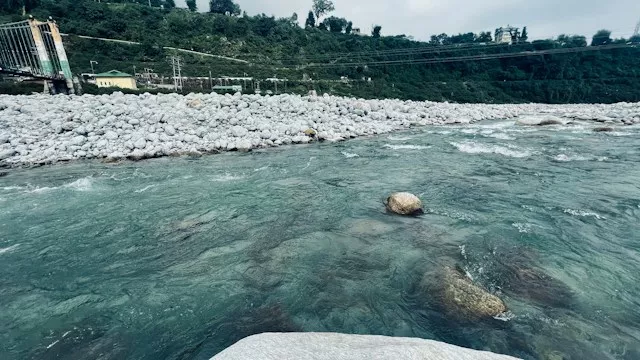
Located 3 km from Palampur town, this spot combines a scenic gorge, watercourse, and mountain backdrop—the appeal is the combination, not a single monument.
Important: Mountain streams become dangerous quickly during rain. Don't stand on boulders or close to river edges for photographs; currents are deceptive.
Time: 45 minutes–1.5 hours
Best for: Photography, short outings, afternoon breaks
3. Saurabh Van Vihar (Nature Park)
Around 4 km from Palampur, this is nature-oriented without being demanding. Suitable for families and relaxed walkers who want greenery without trekking commitment.
Time: 1–2 hours
Best for: Families, people wanting easy outdoor time
4. Andretta (Art Village)
13 km from Palampur, Andretta adds cultural depth beyond scenery. The Sardar Sobha Singh Art Gallery and pottery heritage (Norah Richards' association) make it worth a half-day if you care about Kangra's artistic side.
Time: Half day
Best for: Art lovers, photographers, anyone wanting cultural context
5. Baijnath Temple (Historic Shiva Site)
16 km away. When I first visited, I planned 20 minutes—photo, move on.
I ended up staying nearly two hours.
The temple was rebuilt in 1204 AD by two local merchants at an existing sacred site. The stone work is precise. The carvings are still sharp after 800+ years. Standing there, I realized: this place has been important to people for centuries. Its long history gives the visit a sense of continuity that is easy to miss when you are moving quickly between attractions.
That changes how you look at a 2-hour drive.
Religious tradition connects it to Ravana's devotion to Shiva—that's legend, worth knowing, but not architectural history. The architecture is the real story: how 13th-century Kangra builders understood stone and space.
I sat on the steps afterward and talked to a local about the temple festivals. That conversation taught me more about the valley than any guidebook.
Time: 1–2 hours (don't rush it)
Best for: History, architecture, pilgrimage, anyone who actually wants to understand a place
6. Bir-Billing (Adventure Hub)
29–30 km from Palampur (Billing sits higher uphill from Bir village).
I thought Palampur and Bir were the same vibe. They're not. At all.
Palampur is quiet tea country. Bir is alive—monks, paragliders, backpackers, energy. When I felt like Palampur's slowness was becoming too slow, a short drive got me to an entirely different atmosphere.
What you can do:
Explore Bir village proper (small, walkable)
Visit Tibetan monasteries (Bhatu/Sherabling is the main one; genuinely spiritual, not touristy)
Spend hours in cafés (this is where the paragliders, travelers, and digital nomads hang out)
Browse handicraft shops
Paraglide from Billing ridge (India's premier paragliding site; pre-book with licensed operators)
Hike up from Bir to Billing for mountain views
The contrast is important: quiet tea country, then adventure culture. Your trip becomes fuller because of it.
Time: Half day for village + monasteries; full day with paragliding
Best for: Adventure seekers, friends, college groups, anyone who needs a reset from tea-garden quiet
7. Other Half-Day Excursions
Dhauladhar Nature Park, Gopalpur (15 km): Family-friendly, fits naturally if you're already visiting Gopalpur or Dharamshala.
Chamunda Devi Temple (25 km): Strong religious importance in Kangra region with scenic surrounding landscape. Gets busier during festivals; plan extra time if visiting then.
Experiences You Shouldn't Miss (Even If Time Is Short)
I'm telling you this because I made every mistake first and learned the hard way.
Drink Kangra tea while looking at the tea gardens you're standing in. The taste changes when you're sitting in the actual landscape where it grows. Not metaphorically. I've had the same tea in Delhi and in Palampur—different experience entirely. The agricultural landscape isn't background scenery; it's literally where those flavor notes come from.
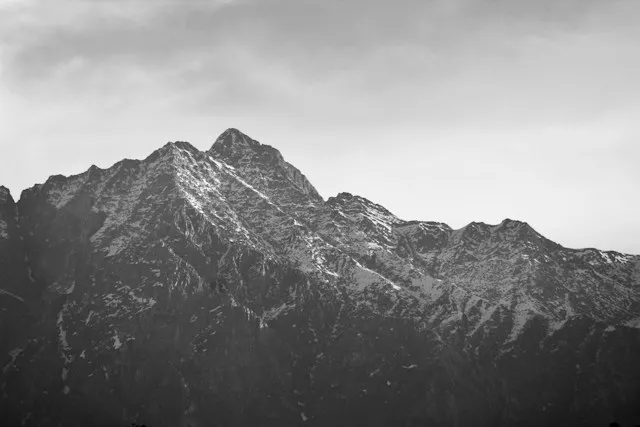
See the Dhauladhars at different times of day. My first day I photographed them at 9 AM. Looked nice. Then at 4 PM the light completely changed and they looked like a different mountain range. Clouds rolled in, mist came through, the whole mood shifted. Morning and late afternoon light do completely different things depending on visibility. Photograph them once. Come back later.
Spend real time in Andretta. I almost skipped this because I thought "another village, another temple." Wrong. Andretta's art heritage actually matters. The Kangra painting school moved here in the 17th century when royal courts declined elsewhere. Knowing that context while looking at the village completely changes what you're seeing.
Visit Baijnath. I used to rush temples. Baijnath deserves more. 800 years of continuous worship in one location teaches you something about continuity and place. Historical depth makes a trip feel earned instead of rushed.
Combine Palampur with Bir-Billing. Contrast is underrated. Quiet tea country in morning, then paragliders and café culture in afternoon. Your brain resets. You appreciate both more.
Leave one unplanned half-day. This is the difference between a good trip and a great one. Palampur rewards wandering more than tick-box itineraries. You find small cafés, meet locals, discover roads you weren't planning to take.
Food to Eat in Palampur (Go Beyond "Himachali Platter")
Palampur isn't a one-dish destination. Look for:
Himachali specialties:
Dham – slow-cooked Himachali feast (when available; not everyday)
Madra – yogurt-based curry
Rajma – kidney beans, but prepared differently than North Indian versions
Siddu – steamed bread with vegetable filling
Babru – deep-fried pastry pockets
Kangra & seasonal dishes:
Seasonal vegetables and dal preparations
Local seasonal sweets and bakery items
Also available:
Momos (Tibetan influence via Bir and Dharamshala region)
Thukpa (Tibetan noodle soup)
Standard North Indian curries
Pro tip: Ask restaurants which dishes are actually prepared that day. "Himachali platter" served everywhere usually means generic reheating.
What to Carry (Specific to Season)
All seasons
Layers rather than one heavy jacket
Comfortable walking shoes with grip
Sunscreen and sunglasses
Reusable water bottle
Power bank
Government ID and booking confirmations
Basic first aid and personal medicines
Light outer layer (weather changes fast in mountains)
Summer (March–June)
Light clothes
Sunglasses and hat
Rain jacket just in case
Monsoon (June–August)
Waterproof jacket
Extra socks
Waterproof bag for electronics
Autumn/Winter (September–February)
Warm fleece or jacket
Thermals (essential in winter)
Woollen socks and warm cap
Gloves (December–February)
Things That Will Actually Slow You Down (Plan Accordingly)
Mountain roads aren't city roads. A 30 km journey on a map takes much longer with curves and elevation changes.
Mobile connectivity exists in main areas but not everywhere. Don't assume uninterrupted service in surrounding hills.
Carry cash. Smaller establishments, local transport, and village areas have limited digital payment access.
Weather changes fast. A pleasant morning doesn't mean afternoon stability.
Temple visiting during festivals gets crowded. Chamunda Devi and others have significantly longer waits during religious festivals.
Mountain water is deceptive. Currents and depth change fast; don't stand close to river edges or on boulders for photos.
Things to Actually Avoid (I Learned These the Hard Way)
Scheduling Palampur, Bir, and Dharamshala back-to-back without real drive time.
I did this once. Spent the entire day watching the clock. Arrived at each place already tired. Barely experienced anything. Never again.Entering restricted tea-estate areas without asking first.
I walked into a plantation thinking it was public. Got politely but firmly turned back by workers. Now I ask. Simple, but it matters.Packing only summer clothes because daytime feels warm.
Day temperature might be 22°C. Evening drops to 8°C. I learned this by shivering through dinner my first visit.Littering in tea gardens, forests, or villages.
These are working landscapes and lived-in communities. Not tourist zones. Treat them with the respect they deserve.Photographing people without permission.
I took a photo of a tea-picker once without asking. She clearly wasn't happy. Now I always ask first. Usually people are kind about it if you approach properly.Turning every temple into a rushed five-minute photo stop.
Defeats the purpose. Baijnath is worthless if you spend five minutes there. Same with any historical site.Assuming monsoon roads will behave like dry-season roads.
They won't. During the monsoon, road conditions can change quickly, so allow extra travel time and check local conditions before heading out. Mountain water is powerful.Relying entirely on digital payments outside main areas.
Even Palampur town has places that don't take cards. Smaller villages definitely don't. I've been stuck with no way to pay for chai because I had no cash.
Practical Details Before You Go
Connectivity & Cash
Mobile and internet work in main tourist areas; expect gaps in surrounding hills. Carry rupees for smaller shops, local taxis, and rural areas.
Distances & Drive Times
Tea gardens, village lanes, heritage sites, and temple grounds often have uneven walking surfaces. Bring appropriate footwear. Roads look closer on maps than they actually are because mountain curves add real time.
Local Etiquette
Dress respectfully at temples. Follow photography restrictions where posted. Remove shoes where requested.
Safety Around Water & Heights
Follow local instructions around rivers, steep edges, and trekking routes. Mountain currents are powerful and unpredictable—don't take photos from risky positions.
Who Palampur Works Best For
Traveller Type | Why It Works | Why It Might Not |
Couples | Tea gardens, scenic drives, cafés, relaxed pace | If nightlife or resort spas are priorities |
Families | Easy nature walks, temples, gentle excursions | If kids need constant structured activities |
Friends | Bir-Billing combos, road trips, adventure | If the group has very different interests |
College groups | Adventure activities, group dynamics, Bir-Billing | If looking for nightlife-heavy experiences |
Solo travellers | Independent exploration, café culture, tea experiences | Without self-directed interests, can feel slow |
Senior citizens | Suitable with itineraries avoiding demanding treks | If extensive daily travel is a concern |
Corporate groups | Slower retreat when logistics are planned properly | Requires upfront organization |
Palampur isn't ideal if you want: guaranteed snowfall, or attractions packed into every few hours.
Planning Your Palampur Trip: What Actually Matters
Here's what I wish someone had told me before my first visit.
Palampur rewards intentional slowness way more than aggressive tick-box touring. The town itself is small; most of what makes it special comes from how you move through it and what you actually notice.
A Palampur trip that actually lands feels like:
Sitting in tea country for real time, not just driving through
One completely unplanned afternoon where you just wander
Actually talking to locals instead of just collecting photos
Understanding why the landscape and town layout look the way they do
Realizing on the way out that you're thinking differently than when you arrived
I've done the itinerary-packed version (miserable). I've done the slow version (keeps pulling me back).
If you want to customize dates, hotel categories, and transport, contact local operators directly. Broader Himachal packages often don't capture what makes Palampur specific.
TravelTech Sample Day-Wise Palampur Itinerary
For a TravelTech-style customised Palampur trip, a comfortable structure would look like this:
Day 1 — Arrival + Palampur
Arrival in the Kangra region
Transfer to Palampur
Hotel check-in
Lunch
Tea-garden visit
Neugal Khad
Relaxed evening
Dinner and overnight stay
Day 2 — Culture + History
Breakfast
Andretta excursion
Local lunch
Baijnath Temple
Return to Palampur
Café/free time
Dinner
Day 3 — Bir-Billing
Breakfast
Drive to Bir
Explore monasteries and local areas
Optional paragliding
Café/lunch break
Return to Palampur
Departure or overnight stay depending on onward route
The key difference is what isn't included: there is no attempt to squeeze Dharamshala, McLeod Ganj, Kangra Fort, Bir and Baijnath into the same day.
TravelTech Trip Options for Palampur
TravelTech can structure a Palampur journey differently depending on who is travelling.
Group Trips
A group itinerary can combine Palampur with nearby Kangra Valley attractions while keeping shared transport and sightseeing practical.
Honeymoon Trips
A customised couple's itinerary can slow the pace down, giving more time to tea gardens, cafés, scenic drives and comfortable stays rather than filling every day with attractions.
Corporate Group Trips
For corporate groups, Palampur can work as part of a broader Kangra itinerary where sightseeing is balanced with downtime and group activities.
College Trips
A college itinerary can combine Palampur's nature and culture with Bir-Billing's adventure activities, subject to seasonal and operator availability.
School Trips
School groups can focus more heavily on tea cultivation, local ecology, cultural sites and educational sightseeing, with age-appropriate activities.
Customised Trips
Customisation makes the most sense when travellers want to combine Palampur with Bir, Dharamshala, Kangra or other Himachal destinations without following a fixed route.
Explore TravelTech's Palampur Packages
After checking TravelTech's current site, there is no standalone Palampur package currently displayed with a verified live starting price.
The relevant published TravelTech option is a broader Himachal route that includes the Kangra region:
Himachal Explorer with Shimla, Manali, Kangra & Amritsar
Starting price: ₹17,999/person
Duration: 9 days
Route: Shimla → Manali → Kangra → Khajjiar/Dalhousie → Amritsar, with the published trip listing pickup/drop locations including Indore, Bhopal and Ahmedabad.
Current availability: No upcoming batches are currently displayed.
The published itinerary includes Kangra-region travel, including a Chamunda Devi visit. The package lists 14 meals — 7 breakfasts and 7 dinners. Lunch, personal expenses, shopping, laundry and tips are excluded.
View the verified TravelTech Himachal Explorer package
Important: This is not a dedicated Palampur package, so its ₹17,999 price should not be advertised as a Palampur tour price.
TravelTech's current Himachal category starts at ₹4,499, but again, this is a category-level figure rather than a Palampur-specific package.
Explore TravelTech's Himachal Pradesh packages
Plan Your Palampur Trip with TravelTech
For a current Palampur-specific route, dates, hotel category, and transport requirement, travellers can contact TravelTech directly rather than assuming a broader Himachal package covers Palampur.
TravelTech: +91 75667 88885
Email: team@travelltech.com
Contact TravelTech / WhatsApp assistance
The official contact page currently lists WhatsApp assistance and the above phone number.
🗓️ Best Time to Visit
Spring & Summer — March to June
🌿 Fresh, Green & Peaceful
Pleasant daytime temperatures, lush tea gardens, clear Dhauladhar views and comfortable conditions for sightseeing, nature walks and nearby excursions.
Winter — December to February
❄️ Cold, Quiet & Cosy
hilly mornings and evenings, fewer crowds and a peaceful mountain atmosphere. Snowfall in Palampur itself is not guaranteed.
🚗 How to Reach
By Air:
Fly to Kangra Airport (Gaggal), around 38–40 km from Palampur, then take a taxi to reach the town in approximately 1.5–2 hours.
By Train:
Take a train to Pathankot, the nearest major broad-gauge railway station, and continue to Palampur by road or the Kangra Valley narrow-gauge railway.
By Road:
Take a train to Pathankot, the nearest major broad-gauge railway station, and continue to Palampur by road or the Kangra Valley narrow-gauge railway.
✈️ Related Trips from TravelTech
728 × 90 — Leaderboard
❓ Frequently Asked Questions
How many days are enough for Palampur?
What is Palampur famous for?
Is Palampur worth visiting?
How can I reach Palampur from Indore?
Is there snowfall in Palampur?
Can I visit Bir from Palampur?
Is Palampur suitable for families?
Should I combine Palampur with Dharamshala?
📚 Related Guides
More Travel Stories
Kasauli Travel Guide: History, Places to Visit, Cost & Trip Planning
Plan a Kasauli trip with this practical guide covering places to visit, weather, travel routes, food, stay, itinerary and travel tips.
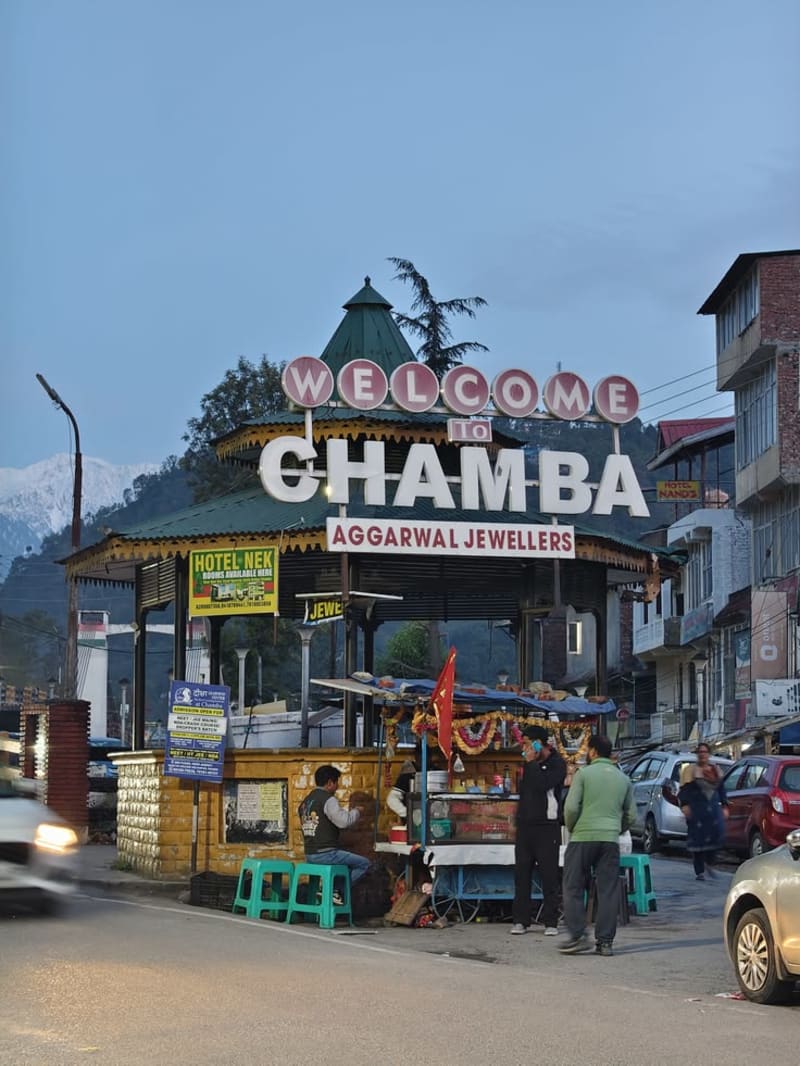
Chamba Travel Guide: History, Temples, Food & Things to Do
Plan a Chamba trip with this practical travel guide covering places to visit, food, weather, routes, itinerary, and travel tips.
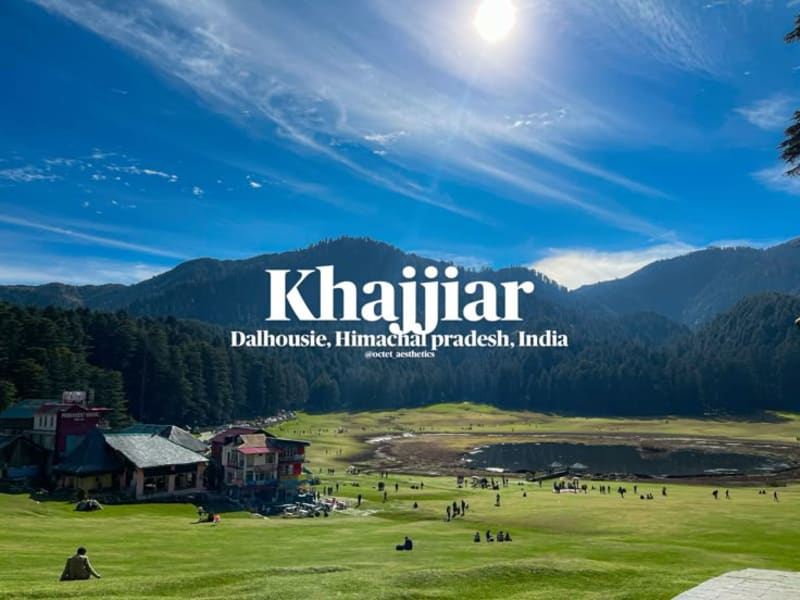
Khajjiar in a Weekend: Itineraries for a Short Visit
Plan a Khajjiar trip with this detailed travel guide covering places to visit, weather, itinerary, travel from Indore, food, and practical tips.