
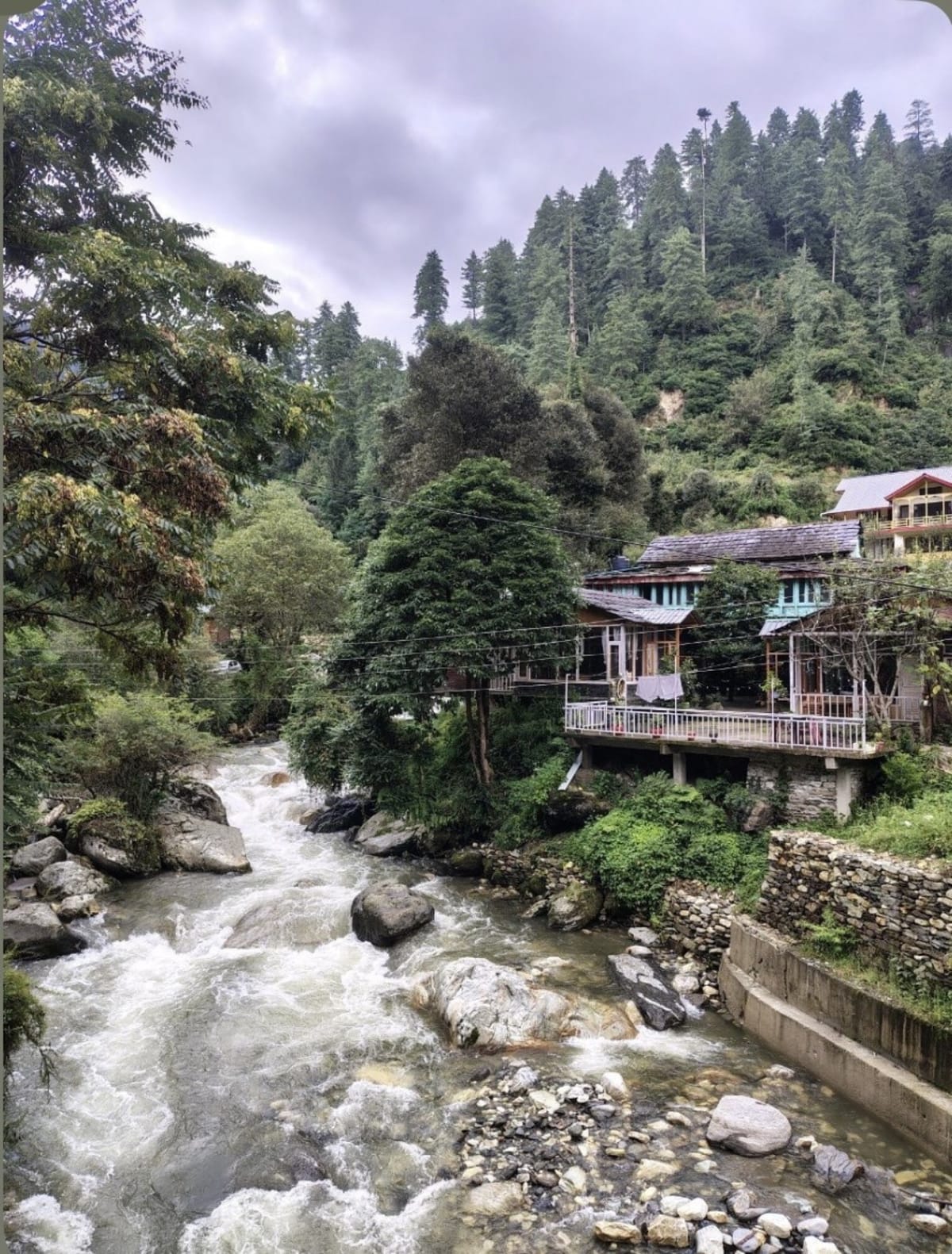
Plan your Jibhi trip with this complete travel guide covering the best places to visit, ideal season, food, stays, how to reach from Indore, itinerary, and travel tips.
Jibhi has changed. It’s more popular now, especially on weekends, when narrow mountain roads can get busy and cafés fill up with tourists. But it’s still worth visiting—you just need to know what to expect.
The experience can be very different depending on when you go. A quiet weekday can feel peaceful, while a busy weekend can make the same place feel crowded.
If you're planning a trip to Jibhi, you don't need to know every café price or exact location. The important thing is simple: when you go and what you expect can make a big difference.
Top 7 Destinations That Are Definitely Worth It
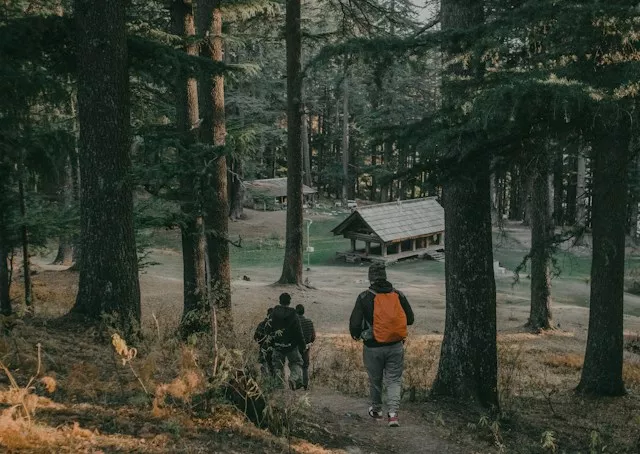
Jibhi Waterfall
The waterfall is why people come here. It sits inside a forest with enough green and gushing water to make it feel peaceful, even when other people are around. There are small wooden bridges that add something to the setting. It's accessible without serious hiking experience, but feels isolated enough that you'll have that "discovery" feeling.
The walk to it takes somewhere between 20-40 minutes depending on pace and exact path—locals at your stay can direct you properly. The forest path gets muddy, so shoes with grip matter. Most people spend a couple of hours here, including the walk.
Go early in the morning if you want it quieter. By 10 AM, especially on weekends, more people arrive. Weekdays are noticeably less crowded than weekends. During monsoon, water flow is strongest but roads can be rough.
Mini Thailand
This is a valley area that became Instagram-famous because the light and landscape apparently remind people of Thailand. It's real—the views are genuinely good. Whether you care about that comparison or not, it's worth seeing. The landscape is the main draw, not specific structures or marked spots.
Ask locals at your accommodation to direct you. It's not a marked tourist location. Early morning has better light and fewer people. Autumn (September-October) has the best combination of clear skies and green landscape.
Village Walks (Rashala, Bini)
This is where you actually see how people live. Rashala and Bini are small farming villages with traditional architecture and actual working farms. The scale is small, which is exactly the point. October is special because of apple-picking season—you'll see the landscape working and might buy fresh apples directly from farmers.
Walking distance from Jibhi, though ask at your stay for the best paths. Morning and late afternoon are better than midday. These are actual living villages, not museum pieces, so be respectful about photography and support local businesses if you stop for tea or food.
Jalori Pass
This is a high mountain pass that gives you a significant view change—the kind of driving experience that justifies the trip up. Dense pine forests, high altitude landscape, and if weather cooperates, views across multiple valleys. The drive up is narrow and steep, which is part of why people enjoy it.
The road gets crowded on weekends. If you're going, start early and be prepared for traffic during peak season. In winter, the pass closes during heavy snowfall, and weather can change quickly at altitude. It's not a casual evening drive—it's a morning commitment that requires attention.
Serolsar Lake Trek
Serolsar Lake is one of the popular high-altitude spots around Jibhi and Jalori Pass. Reaching the lake involves a few hours of uphill walking through pine forests, so good trekking shoes and a warm layer are useful.
The trek is moderate and doesn't require technical climbing, but you'll need decent fitness. May to October is generally a better time to plan it, depending on weather and road conditions. Sajwar can be used as a stopover if you're planning a longer trip.
Chehni Kothi
A 45-meter tall traditional tower temple that's genuinely one of the oldest and tallest structures of its kind in the region. It survived the 1905 Kangra earthquake, which says something about construction quality. The architecture is traditional Kathikuni. The village and surrounding landscape matter as much as the tower itself.
It's about 10 km from Jibhi—a 30-40 minute drive depending on roads. The Shringa Rishi Temple (another temple with good views) sits nearby if you're combining them. Early morning or late afternoon light is better for the setting.
The Shoja Question
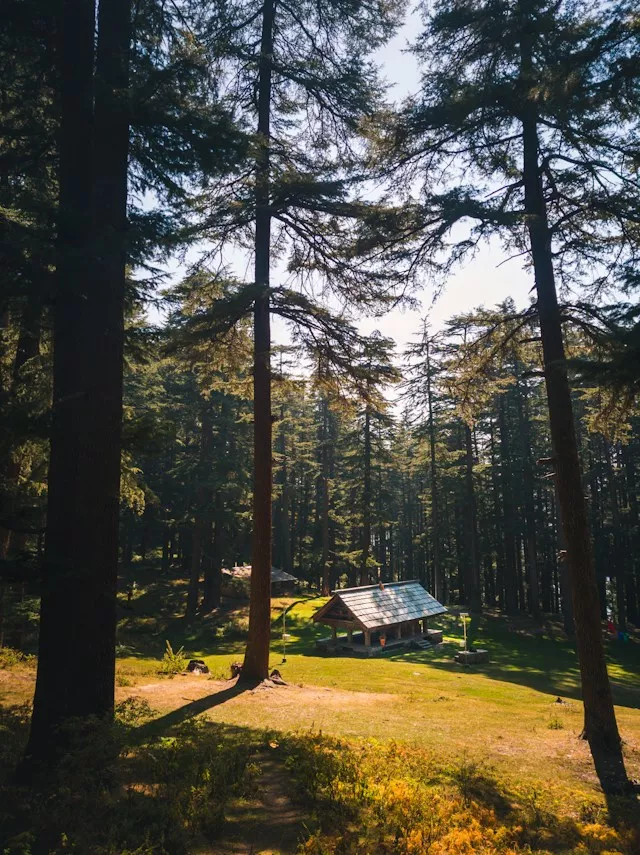
Here's where Jibhi becomes interesting. If you find the main town too crowded or commercialized, Shoja (15-20 km away) genuinely offers a different pace. Not dramatically different, but noticeably quieter. People report more success finding peaceful cafés, slower mornings, and fewer Instagram-chasing tourists.
It's not that Shoja is undiscovered—it's that fewer people have heard of it. The roads are similarly narrow, accommodation is similar, but the atmosphere is calmer. If your priority is sitting in a café reading or having unhurried conversations, Shoja works better than Jibhi. If you want specific attractions, Jibhi is the more obvious base.
The Shoja Waterfall exists but you'll need local guidance to find it properly. Having a guide isn't luxury—it's practical.
When Timing Changes Everything
Weekdays vs. Weekends: This isn't subtle. The same location on Wednesday versus Saturday can feel like two different places. Roads are clearer, cafés feel less like production lines, and the general atmosphere is calmer. If you have flexibility, choosing weekdays is the single best decision you can make.
Peak Season (April-June) vs. Shoulder Season (September-November): Peak season is warm and the roads are definitely open, but you'll have company. Lots of it. September to November is generally when travelers who prefer calmer conditions go. October specifically is apple-picking season—the valley has a different energy.
Monsoon (July-August): Heavy rainfall, rough roads, and landslide risks make this the time most tourists avoid. But travelers who've been during monsoon report finding the place almost empty. The landscape is at its greenest. Roads are genuinely worse though, and weather is unpredictable.
Winter (December-February): Jibhi itself rarely gets snow, but it gets cold—near freezing in early mornings, more comfortable in afternoons. Higher areas around the valley do get snow. Jalori Pass closes during heavy snowfall. Weather is stable though, and tourist traffic is lower than peak season.
The point: you're not just choosing a place, you're choosing which version of the place you get.
Getting There and Basic Reality
From Delhi by car: Two routes. One goes via Aut Tunnel (wider, more straightforward, open year-round). The other goes via Jalori Pass (longer, more scenic, closes in winter). The first takes roughly 10-12 hours of driving. The second takes longer.
From Delhi by bus: Buses run Delhi to Manali, and you get off at Aut to connect to local buses to Tirthan Valley. It's budget-friendly and exhausting.
On arrival: Jibhi town is small enough to walk around. Getting to attractions requires asking for local directions—there's no app that perfectly captures mountain roads or local knowledge. If you need to move around frequently, arranging transport through your accommodation is easier than figuring it out independently.
The roads are mountain roads. Narrow, sometimes under construction, sometimes rough after monsoon. This isn't a complaint—it's just what to expect.
Food and Staying
Food: Expect to pay more than you would in cities or other Himalayan towns for similar meals. This isn't because it's high-end—it's because getting supplies up the mountain costs money. Café meals can be noticeably more expensive than simple local food, especially in popular tourist areas.
Local dishes: Siddu (lentil-filled steamed bread) and Rajma Chawal (kidney beans with rice) show up everywhere and are worth trying. Both are simple, filling, and genuinely local.
Staying: Budget hostels (200-500 rupees per bed), mid-range guesthouses (1000-2000 rupees), and experience stays like treehouses (3000+ rupees). Homestays often provide better value than cafés for food—ask about home-cooked meals. Shoja has more affordable options if Jibhi prices feel steep.
Practical Things
Money: ATMs exist in town. Card payments work at major cafés but cash is safer.
Mobile network: Generally available, though signals can drop. Works enough for navigation and communication.
Packing: Comfortable walking shoes with good grip. Layers for temperature changes. Rain jacket if visiting monsoon season. First aid kit for trekking. Toiletries and medicines because shops are limited.
Weather reality: Mountain weather changes. Even in summer, mornings and evenings are cool. Higher altitudes are cold year-round. The forecast is approximate.
What Actually Happens When You're There
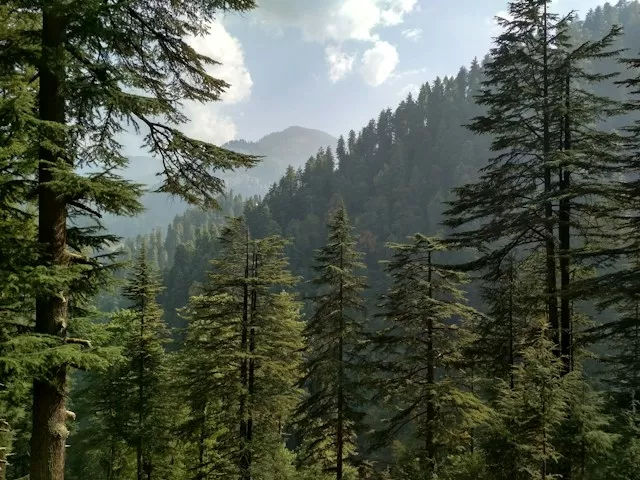
You don't need to tick attractions off a checklist. A waterfall walk in the morning, a slow café lunch, a walk through a village, and an evening in a guesthouse with chai can be enough. That's actually the point.
Jibhi works best when you give it time—at least 2-3 days. Long enough to experience it at different times, short enough that you're not forcing activities. Combining it with Shoja adds a different texture.
Is it still beautiful? Yes. Is it peaceful? It depends when you go. Is it worth it? Only if you go knowing what you're getting: a genuinely interesting Himalayan valley that's become more popular, but still has quiet hours if you visit at the right time.
A 3-Day Rhythm That Works
Day 1: Arrive, settle in, explore the market and nearby cafés. Walk to the waterfall in late afternoon if you have energy.
Day 2: Early morning to Jalori Pass or Mini Thailand, return by afternoon. Village walk in the evening.
Day 3: Day trip to Shoja if you want a slower pace, or stay based on what you're drawn to. Explore areas around Chehni Kothi if you prefer cultural sites.
Adjust based on weather, energy, and what you actually feel like doing. That flexibility is part of why you're here.
The Quick Comparison
Aspect Jibhi Shoja | ||
|---|---|---|
Tourist Traffic | Higher, especially weekends | Lower, generally quieter |
Amenities | More cafés, shops, accommodation variety | Fewer amenities, slower pace |
Vibe | Workation hub, Instagram-popular, mix of tourists and locals | Quieter, more for people wanting peace |
Food Scene | Better café variety, WiFi, more options | Home-cooked meals, fewer restaurant choices |
Good For | Short trips, people who like activity | Long stays, people wanting slow travel |
Weather | 1600m altitude, relatively mild | Similar, can be slightly cooler |
Distance | Base location | 15-20 km from Jibhi (30-45 min drive) |
The Real Differences
Jibhi: The Accessible Base
Jibhi is the natural starting point. It has the most accommodation options, the most cafés, better transport connections. When you search "Jibhi Himachal" on Google, that's what appears first.
Jibhi is good if you:
Want options without having to hunt
Like having cafés and WiFi
Are staying 2-3 days and want efficiency
Want to explore multiple areas as day trips
Are working remotely and need decent internet
Want variety in food and places to eat
Shoja: The Alternative
Shoja exists in the shadow of Jibhi. It's 15-20 km away (not far, but far enough), which means it hasn't developed the same tourism infrastructure. This is both its strength and limitation.
Shoja is good if you:
Actually want quiet and are willing to be less convenient
Plan to stay 4+ days and want to settle somewhere
Are reading or working and need peace more than WiFi
Want home-cooked meals over café culture
Like the idea of fewer tourists
Are willing to ask around for things instead of finding shops
The Honest Part
Jibhi isn't the secret mountain village anymore. You probably know people who've been. There are workations happening in cafés. Instagram brought people here. The commercialization is real.
But commercialization in a mountain village means you can get decent coffee and a room with a proper bed, not that it's ruined. And if you go on a weekday in autumn or early winter, you'll still find pockets of genuine peace.
The experience depends almost entirely on when you visit and what you expect. Plan accordingly, and it's still genuinely worth the drive.
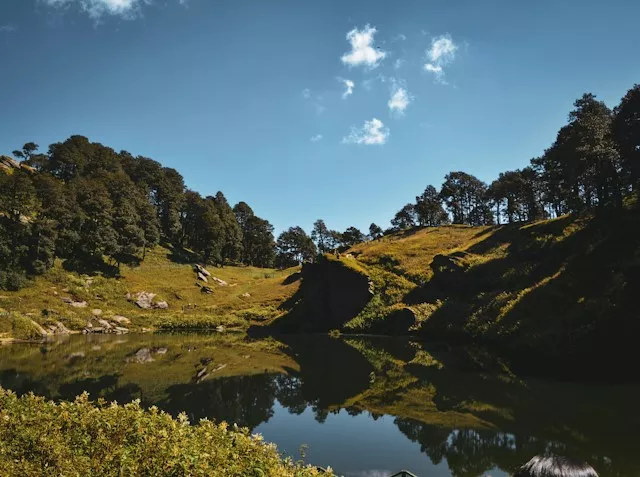
How Much Does a Jibhi Trip Cost?
Jibhi can fit different budgets depending on where you stay, how you travel and how much you spend on cafés and local transport.
Budget trip: Around ₹1,000–₹1,500 per person per day if you choose a basic stay, eat simple local food and keep paid activities to a minimum.
Comfortable trip: Around ₹1,500–₹3,000 per person per day gives you better accommodation, café meals and some local sightseeing.
Premium stays: Treehouses, cabins and experience stays can take the daily cost much higher, especially during busy seasons.
Your biggest expenses will usually be accommodation, food and transport. Travelling with a group can also make cabs and rooms more affordable per person.
For a more accurate budget, check current stay and transport prices before your trip, as rates can change with season and demand.
How Many Days Are Enough for Jibhi?
For most travellers, 3–4 days is enough for Jibhi without rushing. You can explore the waterfall, nearby villages, Jalori Pass or Shoja, while still leaving some time to slow down and enjoy the place.
2 days: Good for a quick weekend trip, but you'll need to keep the itinerary simple.
3–4 days: A better balance. You can explore the main attractions and still have time for cafés, village walks and a relaxed evening.
5+ days: Worth considering if you want to spend more time in Shoja, explore nearby areas or add a trek.
Jibhi isn't a destination where you need to fill every hour with activities. If you have the time, leave some space in your itinerary. A slower trip can often be more enjoyable than trying to see everything.
Plan Your Jibhi Trip with TravelTech
Want to explore Jibhi without planning everything yourself? TravelTech offers customised Himachal trips as well as group trips for travellers who want to explore with a community.
We also have multiple Himachal itineraries covering places around Jibhi and other popular destinations. If Jibhi is your main focus, you can also customise your trip based on your dates, budget, stay preferences and the places you want to explore.
Explore our [Himachal itineraries],or [customise your Jibhi trip] with TravelTech.
🗓️ Best Time to Visit
Oct to Nov
Mood: Crisp • Peaceful • Scenic • Adventure-ready
Pleasant weather, clear mountain views, autumn landscapes and comfortable conditions for exploring Jibhi Waterfall, Jalori Pass, Serolsar Lake and nearby villages. Perfect for trekking, photography, peaceful stays and group trips.
🚗 How to Reach
By Air
By Air The nearest airport is Kullu–Manali Airport at Bhuntar, roughly 50–60 km from Jibhi depending on the route used. From Bhuntar, continue by road towards Banjar and Jibhi. Because Bhuntar has limited flight connectivity and weather can affect operations, Chandigarh can be a practical alternative for travellers who want more flight options. By Train Jibhi does not have its own railway station. Joginder Nagar is the nearest narrow-gauge option, but for long-distance travellers, Chandigarh is generally more practical as a major railhead before continuing by road. By Road Road travel is the most straightforward way to reach Jibhi. The usual approach is through Mandi → Aut → Banjar → Jibhi. From Aut, the route leaves the main Manali corridor and heads towards Banjar and the Jibhi–Shoja side of the valley.
By Road
Road travel is the most straightforward way to reach Jibhi. The usual approach is through Mandi → Aut → Banjar → Jibhi. From Aut, the route leaves the main Manali corridor and heads towards Banjar and the Jibhi–Shoja side of the valley.
By Train
Jibhi does not have its own railway station. Joginder Nagar is the nearest narrow-gauge option, but for long-distance travellers, Chandigarh is generally more practical as a major railhead before continuing by road.
728 × 90 — Leaderboard
❓ Frequently Asked Questions
Is Jibhi worth visiting for a short trip?
What is Jibhi famous for?
What is the best time to visit Jibhi?
Does it snow in Jibhi?
Can I visit Jalori Pass from Jibhi?
Is Jibhi suitable for couples?
Is Jibhi suitable for solo or group travel?
📚 Related Guides
More Travel Stories
7 Days in Kashmir: More Than a Postcard, A Journey You'll Remember
Kashmir Stranger Group Trip | 7 Days with New Travel Companions
Tirthan Valley Unveiled: A Quiet Escape in Himachal Pradesh
Plan a Tirthan Valley trip with this practical guide covering places to visit, things to do, weather, food, itinerary, costs and travel tips.
Palampur Travel Guide: Tea Gardens, Dhauladhars & Kangra Culture
Planning a Palampur trip? Discover the best places to visit, tea gardens, things to do, travel tips and everything you need to know before you go.