
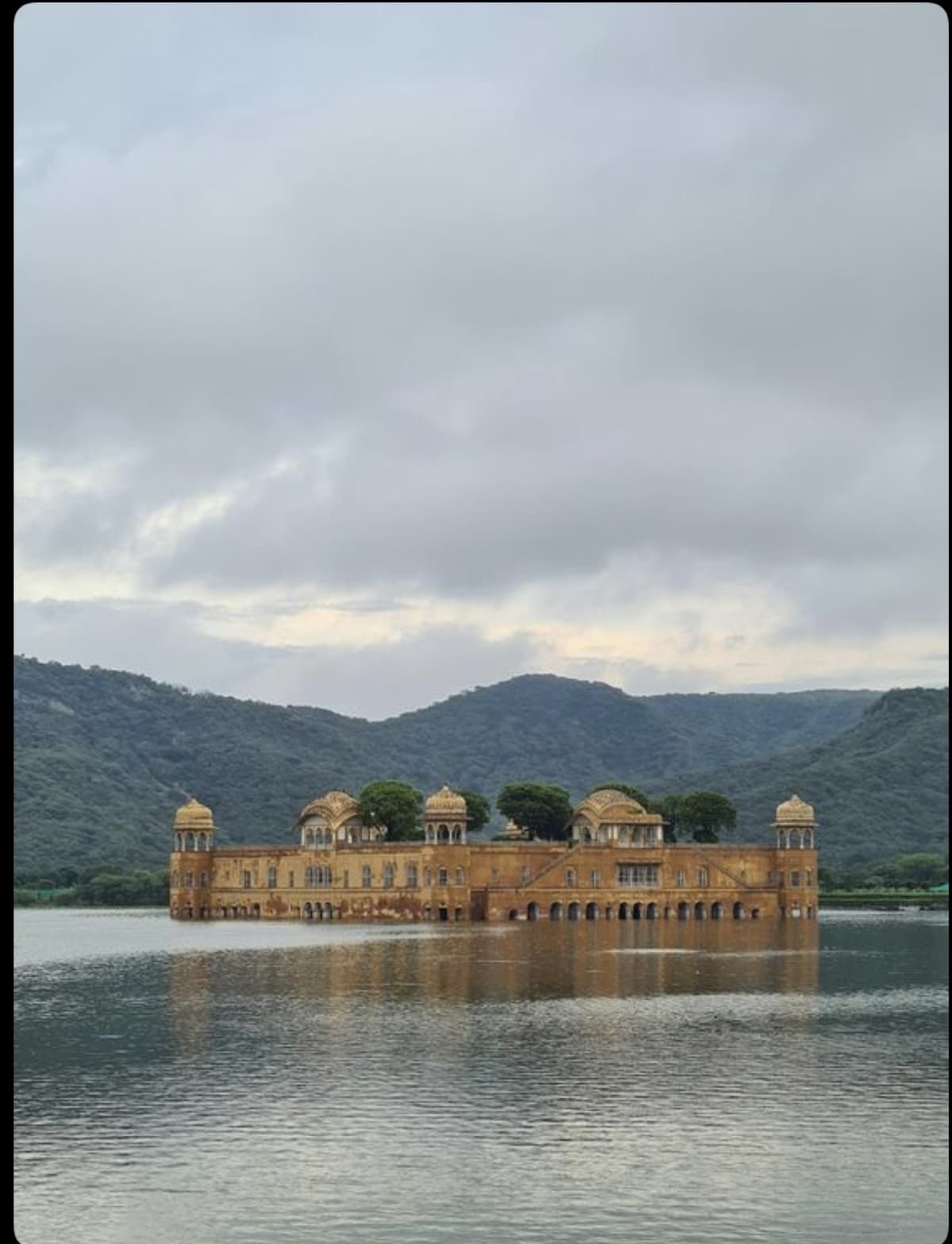
Beyond Rajasthan’s deserts lies Jhalawar—a land of river forts, ancient temples, royal heritage and monsoon magi. Explore its hidden treasures with TravelTech’s complete travel guide
Quick answer: Jhalawar, in Rajasthan's Hadoti region, is best known for Gagron Fort, a UNESCO-listed hill fort surrounded by the Ahu and Kali Sindh rivers, plus the Jhalrapatan Sun Temple, Chandrabhaga temples, Bhawani Natyashala, the Government Museum and the Kolvi Buddhist caves. Spend 1–2 days, visit between October and March, and travel via Kota, about 85 km away, which is the nearest major railway junction.
Some destinations are known for their grand palaces, others for their desert landscapes. Jhalawar stands apart for its riverside fortifications, historic temples, green countryside and a quieter side of Rajasthan that many travellers overlook.
Located in southeastern Rajasthan in the Hadoti region, Jhalawar developed as a princely state in the nineteenth century. Its surroundings, however, preserve a much older story, visible in ancient temple architecture, archaeological remains and the strategic stronghold of Gagron Fort.
The district’s best-known attractions include Gagron Fort, Garh Palace, Bhawani Natyashala, the Government Museum, Jhalrapatan’s celebrated temples and the Buddhist caves at Kolvi. The region also comes alive during the Chandrabhaga Fair, when religious traditions and rural trading culture bring visitors toge
Jhalawar is particularly rewarding for travellers interested in heritage, architecture, photography, spiritual experiences and road trips. It is not a destination that needs to be rushed through a long checklist. Two days provide a good introduction, while an additional day allows time for more distant archaeological sites.
For travellers planning a Rajasthan holiday beyond the usual Jaipur–Jodhpur–Udaipur circuit, Jhalawar offers a refreshing alternative.
The Soul of Jhalawar: A Different Side of Rajasthan
Jhalawar’s character comes from the meeting of history, water, religious traditions and rural life.
Unlike the stereotypical image of Rajasthan as a land of sand dunes and dry landscapes, southeastern Rajasthan has a different visual character. Rivers, reservoirs, agricultural fields and seasonal greenery shape the scenery around Jhalawar, especially after the monsoon.
What makes Jhalawar different?
Jhalawar combines several experiences within one regional trip:
A UNESCO-listed fort associated with rivers rather than a purely desert setting.
Historic temples dating back many centuries.
A distinctive theatre built for dramatic performances.
Rural traditions and religious fairs.
Archaeological sites that can appeal to travellers interested in history beyond royal palaces.
The result is a destination best suited to curious, slower-paced travellers rather than those looking exclusively for luxury shopping or nightlife.
Best Time to Visit Jhalawar
The most comfortable time for sightseeing is generally October to March. The monsoon can be particularly attractive for scenery, while the hotter months require more careful planning.
October to March — Best overall season
Cooler conditions make walking around forts, temples and heritage streets more comfortable. This is the best period for first-time visitors and families.
July to September — Monsoon landscapes
The countryside becomes greener, making this season attractive for photography and nature-focused trips. Heavy rain can affect access, walking surfaces and river conditions, so check the forecast before travelling.
April to June — Hot summer
Daytime heat can be intense. Start sightseeing early, carry water, use sun protection and avoid exposed fort areas during the hottest hours.
The best time for festivals
The Chandrabhaga Fair takes place at Jhalrapatan during Kartik, usually in October or November. It brings together pilgrims, livestock traders and visitors interested in regional traditions.
Which season suits your trip?
Families and senior travellers: November to February.
Architecture and heritage enthusiasts: October to March.
Photography and green landscapes: Monsoon, subject to weather and site access.
Festival and cultural experiences: The Chandrabhaga Fair period.
Budget-conscious travellers: Compare accommodation prices outside major festival dates and weekends.
Places to Visit in Jhalawar
Jhalawar rewards travellers who combine its major fort with the historic town of Jhalrapatan. The following attractions are arranged by practical sightseeing priority. Distances within the city and to nearby places are approximate.
Gagron Fort:Approximate distance: 5–10 km from central Jhalawar, depending on the starting point.
Gagron Fort is the region’s signature landmark. Its natural setting near the Ahu and Kali Sindh rivers makes it a striking example of a river-protected fort. Its inclusion in UNESCO’s Hill Forts of Rajasthan highlights its architectural and historical importance.
Time needed: 1.5–2.5 hours.
Practical details: Rajasthan Tourism lists an entry fee of ₹50 for Indian visitors and ₹100 for foreign visitors, with opening from 9 am on its destination page. These published details may change; confirm current fees, access and closing time before visiting.
Wear comfortable footwear and avoid unsafe river edges, especially during the monsoon.
3. Jhalrapatan Sun Temple
Approximately 6 km from Jhalawar; allow 45–75 minutes.
Commonly called the Sun Temple, this remarkable temple in Jhalrapatan is also known as the Padmanabha Temple and is dedicated to Lord Vishnu. Its tall, intricately carved shikhara and detailed stonework make it one of the district’s most distinctive architectural landmarks.
Spend time examining the carvings and the temple’s exterior. Visitors interested in Indian temple architecture should make this a priority.
Entry and timing: Confirm current access arrangements locally, particularly if planning around religious observances.
4. Bhawani Natyashala
Jhalawar city; allow 30–45 minutes if access is available.
Built in 1921, Bhawani Natyashala is a distinctive historic theatre associated with the region’s cultural life. Its design reflects the influence of opera-style performance spaces, and it is remembered for unusual stage arrangements that reportedly allowed horses and chariots to appear during performances.
It offers a different perspective on Jhalawar’s heritage, beyond forts and temples.
Important: Visitor access may be restricted or affected by restoration work. Confirm whether entry is permitted before making a special trip.
Government Museum, Jhalawar
Within the Garh Palace complex; allow 1–2 hours.
The Government Museum is a useful stop for travellers who want to understand the area's history, art and material culture. Its collections include historic objects and paintings associated with Jhalawar’s heritage.
Combine it with Garh Palace where access permits, rather than treating the two as separate journeys.
Entry and timing: A museum directory lists a weekly Monday closure and a midday break, along with published admission prices, but these details may change. Verify the latest schedule and fee before vis
Chandrabhaga Temple Complex
Jhalrapatan area; allow 45–90 minutes.
Located near the Chandrabhaga River, this group of historic temples is known for carved pillars, sculptural details and religious significance. It is particularly interesting for architecture enthusiasts and travellers visiting during the Chandrabhaga Fair.
The temple complex can be combined with the Sun Temple on the same half-day outing.
Kolvi Buddhist Caves
Approximately 90 km from Jhalawar; allow half a day or more including travel.
These rock-cut Buddhist caves and stupas are among the district’s more unusual heritage attractions. The site is noted for Buddha figures and carved religious structures, reflecting an important Buddhist presence in the region’s past.
This is best suited to travellers with extra time and a reliable vehicle. Ask locally about road conditions and site access before setting out
Dwarkadheesh Temple and Gomti Sagar
Jhalawar; allow around 30–60 minutes.
This temple is associated with the region’s religious traditions and is located near Gomti Sagar. It is a useful addition to a city sightseeing route for visitors interested in temples and local life.
Check religious service timings if you hope to attend a particular ceremony.
Food, Culture and Shopping
Jhalawar's food scene reflects the broader culinary traditions of Rajasthan and the Hadoti region. Rather than expecting a destination dominated by fine-dining restaurants, look for local eateries, sweet shops and everyday markets.
What to eat
Dal baati churma
A classic Rajasthani combination of lentils, baked wheat baati and sweet churma. It is a good introduction to the state's traditional cuisine.
Kachori and local snacks
Look for freshly prepared kachori, samosas and other savoury snacks at busy local shops. Ask residents which shops are popular before choosing a place.
Gatte ki sabzi
Gram-flour dumplings cooked in a spiced yoghurt-based gravy, often served with roti or rice.
Seasonal oranges
Jhalawar is associated with orange cultivation. When in season, ask local fruit sellers about fresh regional produce.
Shopping and local culture
Explore the central market areas for everyday clothing, snacks, household goods, traditional accessories and seasonal produce. You may find regional sweets or small souvenirs worth taking home, but check quality and packaging when buying food products.
For a more meaningful cultural experience, plan around local religious events or the Chandrabhaga Fair. The best approach is to observe local customs, dress respectfully at religious sites and ask permission before photographing people.
Specific restaurant recommendations and shop names should be checked locally rather than invented in a travel article.
Where to Stay in Jhalawar
Choose accommodation based on your itinerary rather than assuming every attraction is within walking distance.
Budget stays
Look for basic hotels and guesthouses in or around central Jhalawar. These can be practical for solo travellers and visitors who expect to spend most of the day sightseeing.
Mid-range hotels
A centrally located hotel with air-conditioning, reliable hot water and on-site parking can make a short trip more comfortable, particularly for families and road travellers.
Higher-comfort stays
Compare larger hotels or government-run accommodation where available. Confirm current room condition, facilities, meal options and location before paying.
Rajasthan Tourism Development Corporation lists Hotel Gavdi Talab in Jhalawar as a government-run accommodation option. Verify current operations, availability, facilities and rates directly before book
🚗 How to Reach
By air
Indore Airport is a practical airport to investigate for many travellers, at approximately 200–240 km by commonly cited estimates. Bhopal and Jaipur may also be alternatives depending on flight availability and the route you choose. Allow roughly 4–6 hours for the road journey from Indore, depending on traffic and your exact route. Verify current flight schedules and road conditions before booking.
By train
Jhalawar Road is the local railway station serving the area, but not every long-distance service stops there. Kota is a useful alternative for travellers needing broader rail connectivity; the road journey from Kota to Jhalawar is approximately 85–90 km. Check current train schedules and onward transport before finalising your route.
By road
Jhalawar is connected by road to Kota and other parts of Rajasthan, with National Highway 52 serving as an important route. Travellers can use intercity buses, private taxis or their own vehicles. From Indore, allow approximately 4–6 hours by car as a planning estimate; actual travel time depends on the starting point, traffic, stops and road conditions.
✈️ Related Trips from TravelTech
Jodhpur, Jaisalmer & Udaipur
Rajasthan Group Trip (Jodhpur, Jaisalmer, Udaipur)
From ₹8,999/-
per person
Jodhpur & Jaisalmer, Rajasthan
Jodhpur & Jaisalmer Trip
From ₹5,999/-
per person
Jaipur & Ranthambore, Rajasthan
Jaipur with Ranthambore National Park
From ₹5,999/-
per person
Jaipur & Pushkar, Rajasthan
Jaipur with Pushkar Desert Bashing
From ₹6,999/-
per person
728 × 90 — Leaderboard
❓ Frequently Asked Questions
What is Jhalawar famous for?
How many days are enough to explore Jhalawar?
What is the best time to visit Jhalawar?
How can I reach Jhalawar from Indore?
Is Jhalawar suitable for a family trip?
Is Jhalawar a good destination during the monsoon?
Why is Gagron Fort famous?
How far is Jhalawar from Kota?
What is Jhalawar known for besides forts?
Can I combine Jhalawar with Bundi and Kota?
📚 Related Guides
More Travel Stories

Weekend Getaways from Delhi in Winter: 12 Best Places
Find the 12 best winter weekend getaways from Delhi, from Rishikesh and Jaipur to Lansdowne and Jim Corbett, with drive times, budgets and a 2-day plan.

Best Winter Treks in India 2026: 10 Snow Treks for Beginners
Compare the 10 best winter treks in India for 2026, from Kedarkantha and Brahmatal to Nag Tibba, with difficulty, routes, costs and a packing list.

Christmas Trip in India 2026: 8 Best Places to Celebrate
Find the best places for a Christmas trip in India in 2026, from Goa and Shillong to Kochi and Kashmir, with long weekend plans, budgets and booking tips.