
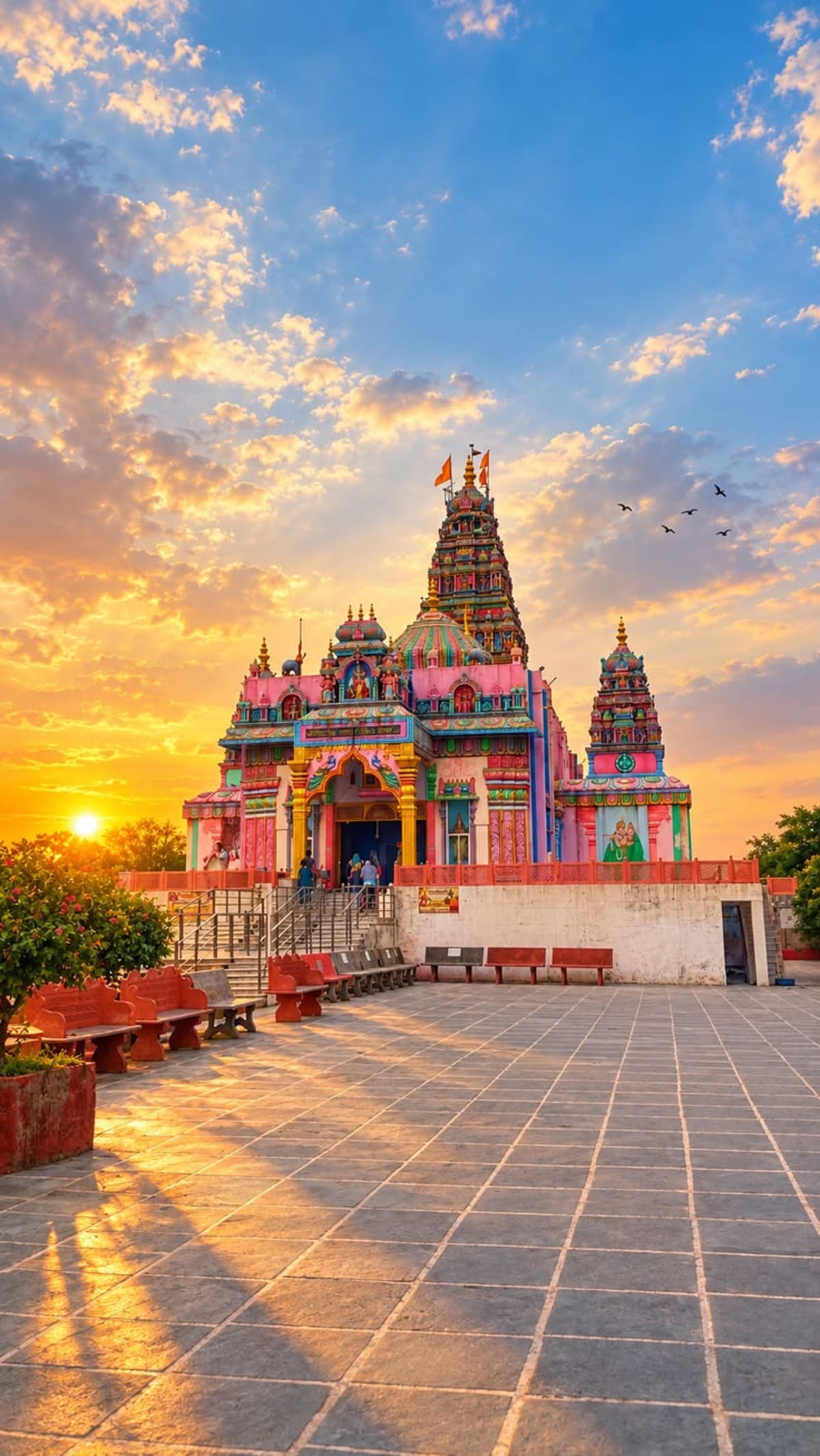
Explore Dausa, Rajasthan, a hidden treasure of ancient stepwells, sacred temples, and rich cultural heritage. From the architectural wonder of Chand Baori to the spiritual charm of Mehandipur Balaji Temple, discover a quieter side of Rajasthan filled with history, tradition, and unforgettable experiences.
Quick answer: Dausa, about 55 km from Jaipur, is best known for Chand Baori stepwell and Harshat Mata Temple in Abhaneri, Mehandipur Balaji Temple, Bhandarej Baori, Bhadrawati Palace and Lotwara Fort. One day is enough for the main sights, or two days if you add the pilgrimage sites. Visit between October and March, and combine it easily with a Jaipur trip.
Introduction
Rajasthan is famous for its royal palaces, colorful cities, and mighty forts, but the district of Dausa tells a different story. Located in eastern Rajasthan, around 55 km from Jaipur, Dausa brings together ancient architecture, religious traditions, historic settlements, and the everyday charm of rural Rajasthan.
Its most remarkable attraction is Chand Baori in Abhaneri, an extraordinary stepwell whose geometric staircases descend deep into the earth. Nearby, the historic Harshat Mata Temple adds another layer of architectural and spiritual heritage. Mehandipur Balaji Temple draws pilgrims from across India, making Dausa an important destination for religious tourism as well.
For travellers seeking a quieter cultural experience beyond Jaipur's busy tourist circuit, Dausa is worth considering as a day trip or a short heritage stop on an eastern Rajasthan itinerary.
The Soul of the Destination
Dausa's identity lies in its connection to water, faith, craftsmanship, and village life.
Unlike Rajasthan's major palace destinations, Dausa is not primarily about luxury heritage hotels or grand urban sightseeing. Its appeal is found in the intricate engineering of ancient stepwells, the devotion surrounding local temples, and the traditional character of its smaller settlements.
Three things define the destination:
Architectural ingenuity: Chand Baori demonstrates how communities developed impressive water-storage structures in a hot, dry climate.
Living religious traditions: Mehandipur Balaji Temple remains a major pilgrimage destination.
Rural Rajasthan: Villages such as Abhaneri offer a glimpse of local life beyond the more commercial tourist centers.
Dausa suits travellers who enjoy history, photography, architecture, and cultural exploration more than nightlife or resort-style holidays.
Places to Visit in Dausa
Dausa's attractions are spread across the district, so planning them geographically will save time. The following are the most worthwhile places for a first visit.
1. Chand Baori
Must visit
One of Rajasthan's most remarkable historic structures, Chand Baori is a deep stepwell associated with the early medieval period. Its repeating geometric staircases were designed around a practical purpose: storing water in a region where managing water was essential.
Location: Abhaneri village, around 45 km from Dausa town.
Time needed: 45–90 minutes.
Entry fee: The Archaeological Survey of India lists no entry fee.
Timings: Confirm locally before visiting; published schedules vary.
Best for: Architecture, history, photography, and heritage enthusiasts.
2. Harshat Mata Temple
Located beside Chand Baori, this historic temple is dedicated to Harshat Mata, traditionally associated with joy and happiness. Its surviving stone carvings and architectural remains make it an important companion visit to the stepwell.
Location: Abhaneri, next to Chand Baori.
Time needed: 20–40 minutes.
Entry fee: ASI lists no entry fee.
Best for: Temple architecture, sculpture, and cultural history.
3. Mehandipur Balaji Temple
This major pilgrimage center is dedicated to Lord Hanuman, worshipped here as Balaji. The temple is known for distinctive devotional rituals and attracts pilgrims seeking spiritual support.
Location: Mehandipur, in Dausa district.
Time needed: Allow 1–3 hours or longer on crowded days.
Entry fee: No general sightseeing ticket is listed in the sources consulted; confirm current temple arrangements.
Practical tip: Follow temple instructions, dress respectfully, and check rules regarding photography and belongings.
4. Bhandarej Baori
Bhandarej is known for historic remains, traditional craftsmanship, and its old stepwell. This is a good addition for travellers interested in exploring lesser-known heritage sites beyond Abhaneri.
Location: Around 10 km from Dausa town.
Time needed: 30–60 minutes.
Entry fee and timings: Confirm on arrival; reliable current details were not established.
5. Bhadrawati Palace
This historic palace has been adapted into a heritage hospitality property. Its courtyards, traditional architectural details, and rural surroundings make it appealing to travelers seeking a heritage stay.
Location: Bhandarej, approximately 10 km from Dausa town.
Time needed: 1–2 hours if access is arranged.
Entry: Do not assume the property is freely open to sightseeing visitors. Contact the property before arriving.
6. Lotwara Fort
Lotwara is a traditional village known for Lotwara Garh and its peacock population. It offers a quieter rural heritage experience for travelers willing to go beyond the main tourist stops.
Location: Lotwara village, Dausa district.
Time needed: Around 1–2 hours, depending on access.
Entry and timings: Check locally before planning a visit.
Additional places worth considering
Jhajhirampura: A countryside destination associated with water bodies and temples dedicated to Hindu deities. Check local road conditions and access before visiting.
Dausa town: Explore its local markets, religious sites, and everyday urban life if time permits. Do not expect a large concentration of monumental attractions within the town center.
Important: Opening hours, festival arrangements, and access restrictions may change. For a reliable visit, verify local conditions rather than assuming every heritage structure operates like a ticketed monument.
Things to Do in Dausa
Dausa is best experienced through heritage exploration, temple visits, and slow travel through its villages.
Top three must-do experiences
1. Explore Chand Baori's architecture.
Study the repeating staircases, carved stone details, and ingenious water-storage design. Visit with enough time to appreciate the structure rather than treating it as a quick photo stop.
2. Experience a pilgrimage tradition
Visit Mehandipur Balaji Temple respectfully, observe the devotional atmosphere, and follow the temple's instructions for visitors.
3. Discover rural Rajasthan
Explore Abhaneri or Bhandarej, notice traditional building techniques and, where appropriate, learn about local crafts and village life.
Other activities
Photography of historic stonework and stepwell geometry.
Sampling traditional Rajasthani vegetarian dishes.
Visiting local bazaars for everyday textiles and handicrafts.
Staying at a heritage property, subject to availability.
Attending the Abhaneri Festival if dates are officially announced for your travel period.
Food, Culture, and Shopping
What to eat
Dausa's food experience is rooted in the wider culinary traditions of eastern Rajasthan. Specific dishes and restaurant availability vary, so ask local residents for seasonal and regional specialties.
Dal baati churma
A classic Rajasthani combination of baked wheat baati, lentil dal and sweet, crumbly churma.
Gatte ki sabzi
Gram-flour dumplings cooked in a spiced yoghurt-based gravy, commonly served with roti or rice.
Kachori and local snacks
A practical choice for breakfast or a quick stop, especially at busy local snack shops.
Ghewar and traditional sweets
Look for this well-known Rajasthani sweet, particularly around festive periods.
Culture and traditions
The district reflects the broader cultural character of Rajasthan through Hindu pilgrimage traditions, folk music, village celebrations, and historic craftsmanship. The Abhaneri Festival has showcased folk performances such as Ghoomar and Kalbeliya, alongside other cultural activities.
Shopping in Dausa
Local markets: Look for daily-use goods, clothing, snacksdal, snacks,and clothing,snacks, andsnacks, andclothing,traditional household items.
Textiles and carpets: Bhandarej is associated with carpet-making traditions.
Handicrafts: Browse locally made items where available, and ask about their origin before purchasing something marketed as handmade.
Dausa is not primarily a luxury-shopping destination. Buy from established local sellers, compare prices and avoid assuming that every souvenir is a distinctive regional craft.
Unique Destination Insights
The story behind Chand Baori
Chand Baori is not simply an architectural attraction. Stepwells served a practical purpose in regions where seasonal rainfall and water availability shaped daily life. Their design helped store water and offered access to it as levels changed.
The monument is traditionally associated with King Chanda and dates to the early medieval period. The surviving structure's striking geometry is a reminder that engineering and architecture were closely connected to community needs.
Dausa at different times of day
Early morning: A sensible time for outdoor sightseeing, especially during warmer months.
Late morning: Suitable for heritage architecture if temperatures remain comfortable.
Evening: Explore local markets for prices, snacks, and rest andfor prices, snacks, and rest andsnacks, and relax at your accommodation. Confirm temple and monument closing times in advance.
Expectation versus reality
The honest side of Dausa
Dausa may not suit travellers looking for extensive nightlife, shopping malls or a packed luxury-resort itinerary. Public transport to smaller villages can be inconvenient, visitor facilities vary between sites, and the heat can make outdoor sightseeing tiring.
Its strongest selling point is focused: a rewarding heritage and pilgrimage experience without the scale and pace of Rajasthan's busiest tourist cities.
Nearby Destinations and Trip Combinations
Dausa works well as part of a larger Rajasthan itinerary, especially when combined with Jaipur or Bharatpur.
Jaipur
About 55–65 km · 1–1.5 hours
The best combination for travellers interested in forts, palaces, markets, museums and food. Visit Jaipur before or after Dausa.
Bharatpur
About 125–130 km · roughly 2.5–3.5 hours
Combine Dausa's historic architecture with birdwatching and a visit to Keoladeo National Park. Distances depend on the chosen route.
Alwar
About 100 km · approximately 2–3 hours
A useful extension for travellers interested in forts, lakes and the heritage of northeastern Rajasthan.
Bandikui
Around 25–35 km from Dausa town, depending on the route
A practical transport point for travellers visiting Abhaneri and the surrounding area. The district's railway connections can make it useful for itinerary planning.
Recommended combinations
Dausa + Jaipur: Best for a first Rajasthan trip.
Dausa + Bharatpur: Best for heritage and birdwatching.
Dausa + Alwar: Best for a broader northeastern Rajasthan road trip.
Dausa + Abhaneri + Mehandipur Balaji: Best for a focused local itinerary combining architecture and pilgrimage.
Suggested Itineraries
One day: Dausa heritage highlights
Best for travellers staying in Jaipur or passing through the region.
Morning: Travel to Abhaneri and explore Chand Baori.
Late morning: Visit Harshat Mata Temple.
Lunch: Enjoy a local meal and refreshments.
Afternoon: Visit Bhandarej Baori and, if access is arranged, see Bhadrawati Palace.
Evening: Return to Dausa or Jaipur.
This itinerary prioritises architecture. Mehandipur Balaji is better handled separately if you want sufficient time for darshan.
Two days: Heritage and pilgrimage
Best for travellers who want a less rushed visit.
Day 1
Visit Chand Baori and Harshat Mata Temple.
Explore Bhandarej and its heritage surroundings.
Stay in Dausa or at a confirmed heritage property.
Day 2
Travel to Mehandipur Balaji Temple.
Allow additional time for queues and temple procedures.
Explore Dausa town or return to your onward destination.
Three days: Dausa and Jaipur
Day 1: Explore Jaipur's principal attractions and local markets.
Day 2: Travel to Dausa, visit Chand Baori and Harshat Mata Temple, and stay overnight.
Day 3: Visit Mehandipur Balaji or Bhandarej, depending on your interests, before returning to Jaipur or continuing your journey.
Travel times between sites should be checked before finalising the itinerary. Festival days, weekends and temple crowds can affect the schedule.
Estimated Budget
The following figures are planning estimates, not live quotes. They assume a domestic traveller, ordinary meals and local sightseeing, and exclude long-distance travel to reach Rajasthan unless stated otherwise.
Expense | Budget | Mid-range | Premium |
|---|---|---|---|
Accommodation per room/night | ₹800–1,500 | ₹2,000–4,000 | ₹5,000–10,000+ |
Food per person/day | ₹300–500 | ₹600–1,000 | ₹1,200–2,000+ |
Local transport per day | ₹500–1,000 | ₹1,500–3,000 | ₹3,000–6,000+ |
Sightseeing per person/day | ₹0–300 | ₹200–500 | ₹500+ |
Estimated daily total per person | ₹1,000–2,000 | ₹2,000–4,500 | ₹4,500–9,000+ |
Estimates assume two people sharing a room where applicable. Premium spending can increase significantly for private chauffeurs, heritage suites or special experiences. Actual accommodation prices and transport charges vary by date.
Practical Travel Tips
Before you leave
Clothing: Wear breathable clothes in summer and carry a light jacket for winter mornings.
Footwear: Comfortable walking shoes are useful around heritage sites; easy-to-remove footwear may help at temples.
Water and sun protection: Carry drinking water, sunscreen, sunglasses and a hat.
Transport: Arrange a cab if you plan to visit several villages in one day.
Connectivity: Download offline maps and keep your accommodation details accessible.
Cash: Carry some cash for small purchases and places where digital payments may not be available.
Temple etiquette and safety
Follow the current instructions at Mehandipur Balaji Temple and other religious sites.
Check photography restrictions before taking pictures.
Do not enter restricted sections or attempt to climb protected monument structures.
Visit remote attractions during daylight and arrange your return transport beforehand.
Families travelling with older adults should confirm walking distances, steps, seating and toilet facilities.
Common mistakes to avoid
Trying to cover every attraction in a single day without accounting for road travel.
Arriving at a heritage property without confirming visitor access.
Assuming festival dates and monument timings remain unchanged every year.
Planning outdoor sightseeing in the middle of a hot summer afternoon.
Treating estimated budget figures as confirmed hotel or transport prices.
Plan Your Dausa Trip with TravelTech
Dausa fits easily into a Jaipur holiday, either as a heritage day trip to Abhaneri and Bhandarej or as part of a longer Rajasthan circuit. TravelTech can plan a customised Jaipur and Dausa trip for families, college groups and corporate teams, or you can join one of the scheduled Rajasthan group trips below.
History and Heritage of Dausa
The history of Chand Baori
Chand Baori is traditionally attributed to King Chanda and is generally dated to the eighth or ninth century. Its design demonstrates the importance of water conservation in a climate characterised by hot summers and irregular rainfall.
The stepwell's deep, symmetrical staircases and architectural detailing reflect the technical skills and aesthetic sensibilities of its builders. It was not merely decorative; it was an important water-management structure.
Harshat Mata Temple
The neighbouring Harshat Mata Temple is an early medieval religious monument dedicated to the goddess associated with joy and happiness. Although portions of the structure are in ruins, surviving architectural details provide evidence of the region's historic temple-building traditions.
Bhandarej and its heritage
Bhandarej has a history associated with the Kachhwaha period and is known for Bhandarej Baori and Bhadrawati Palace. The area's traditional building details and craft heritage make it a worthwhile addition for travellers interested in the historical landscape beyond major cities.
Folklore versus historical evidence
Local traditions explain the names and religious significance of various sites, but not every popular story can be independently verified as historical fact. A good travel guide should distinguish religious belief and oral tradition from documented architectural or historical evidence.
Family-Friendly Information
Dausa can work well for families, but the best itinerary depends on the ages and mobility of the travellers.
For families with children
Chand Baori offers an engaging introduction to historic engineering and geometry. Keep children away from restricted edges and staircases, and supervise them throughout the visit.
For senior citizens
Choose a private vehicle, keep the schedule relaxed and prioritise sites with manageable walking distances. Confirm seating, steps and accessible facilities before travelling.
Accessibility considerations
Historic stepwells and temple complexes may have uneven surfaces, steps and limited wheelchair access. Do not assume that all attractions are accessible; check with the site or local operator in advance.
Safety and comfort
Carry water, avoid excessive afternoon heat, keep children close at crowded temples and arrange transport before visiting outlying villages.
Is Dausa good for a family holiday?
Dausa is a good choice for a short educational or cultural trip. Families can combine its heritage attractions with Jaipur for a broader holiday that includes more restaurants, accommodation choices and activities.
Conclusion
Dausa offers a different way to experience Rajasthan. Instead of concentrating on royal palaces alone, it invites travellers to look closer at the region's historic water systems, early medieval temples, pilgrimage traditions and rural heritage.
From the striking geometry of Chand Baori to the spiritual atmosphere of Mehandipur Balaji and the historic surroundings of Bhandarej, Dausa rewards travellers who appreciate meaningful cultural experiences over rushed sightseeing.
If you are planning a Rajasthan holiday, consider adding Dausa to a Jaipur-based itinerary or arranging a dedicated heritage and pilgrimage trip. TravelTech can help you explore customised options once the transport, accommodation and sightseeing requirements are established.
Plan your Rajasthan journey with TravelTech: Visit TravelTech to explore available travel options and enquire about a customised itinerary.
🗓️ Best Time to Visit
Winter (October–March)
Pleasant, peaceful and perfect for heritage exploration
Ideal for visiting Chand Baori, Harshat Mata Temple and Mehandipur Balaji Temple.
Monsoon (July–September)
Fresh, green and refreshing.
Enjoy the surrounding countryside, though rainfall may affect travel plans.
🚗 How to Reach
By Air :
The nearest major airport is Jaipur International Airport, approximately 60–70 km from Dausa. From Indore, take a flight to Jaipur and continue by taxi or bus, which takes around 1.5–2 hours.
By Train :
The nearest major airport is Jaipur International Airport, approximately 60–70 km from Dausa. From Indore, take a flight to Jaipur and continue by taxi or bus, which takes around 1.5–2 hours.
By Road :
Dausa is approximately 55–65 km from Jaipur, taking around 1–1.5 hours by car. From Indore, it is roughly 500–530 km and takes around 9–11 hours by road, depending on traffic and the route.
✈️ Related Trips from TravelTech
Jodhpur, Jaisalmer & Udaipur
Rajasthan Group Trip (Jodhpur, Jaisalmer, Udaipur)
From ₹8,999/-
per person
Jodhpur & Jaisalmer, Rajasthan
Jodhpur & Jaisalmer Trip
From ₹5,999/-
per person
Jaipur & Ranthambore, Rajasthan
Jaipur with Ranthambore National Park
From ₹5,999/-
per person
Jaipur & Pushkar, Rajasthan
Jaipur with Pushkar Desert Bashing
From ₹6,999/-
per person
728 × 90 — Leaderboard
❓ Frequently Asked Questions
What is Dausa famous for?
How many days are enough for Dausa?
Is Dausa worth visiting?
What is the best time to visit Dausa?
Is Chand Baori free to visit?
Can Dausa be visited as a day trip from Jaipur?
How far is Dausa from Indore?
Is Dausa suitable for families?
Are there luxury hotels in Dausa?
Can I combine Dausa with other Rajasthan destinations?
📚 Related Guides
More Travel Stories

Weekend Getaways from Delhi in Winter: 12 Best Places
Find the 12 best winter weekend getaways from Delhi, from Rishikesh and Jaipur to Lansdowne and Jim Corbett, with drive times, budgets and a 2-day plan.

Best Winter Treks in India 2026: 10 Snow Treks for Beginners
Compare the 10 best winter treks in India for 2026, from Kedarkantha and Brahmatal to Nag Tibba, with difficulty, routes, costs and a packing list.

Christmas Trip in India 2026: 8 Best Places to Celebrate
Find the best places for a Christmas trip in India in 2026, from Goa and Shillong to Kochi and Kashmir, with long weekend plans, budgets and booking tips.