
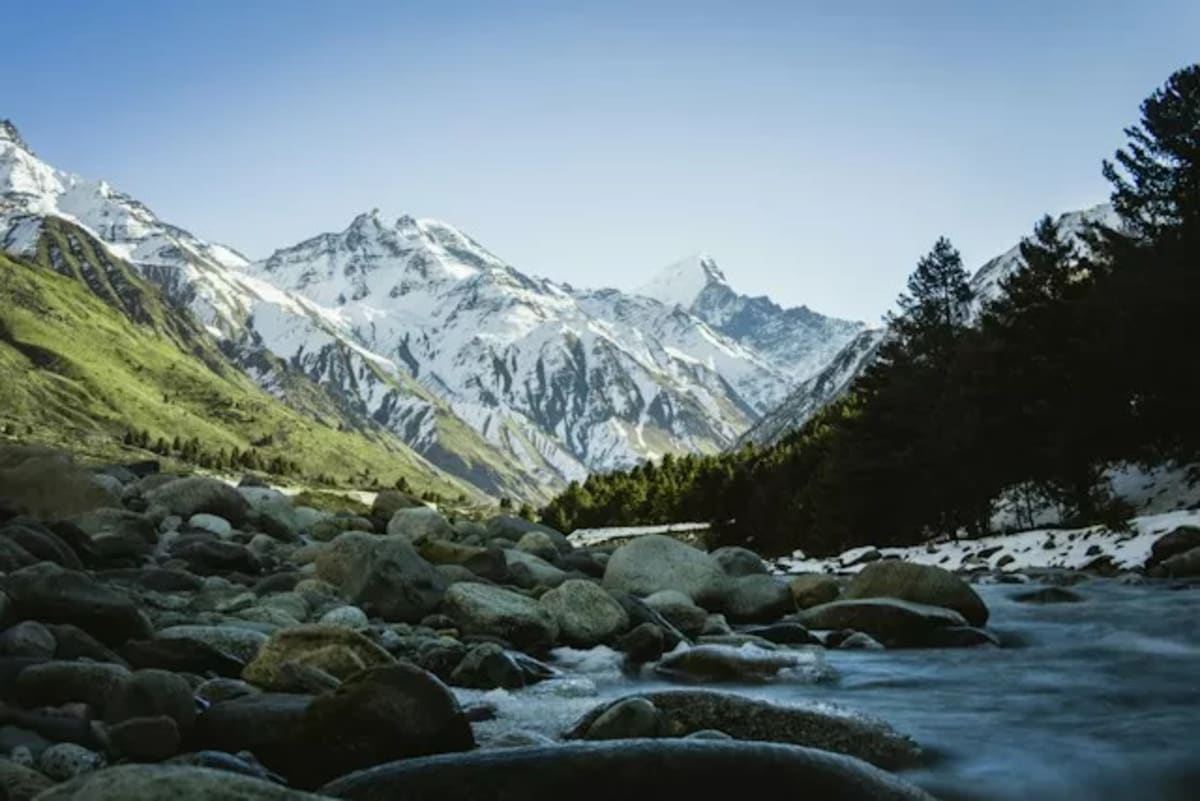
Chitkul — the last village on the Hindustan-Tibet road that civilians can travel to. Wooden houses, the Baspa river, and a silence unlike anywhere else — this guide covers everything you need to know.
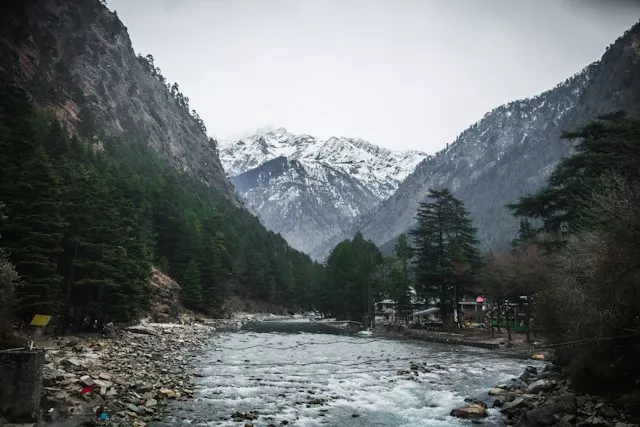
Chitkul sits at the end of the road in the Baspa (Sangla) Valley of Kinnaur, Himachal Pradesh. It is not in Spiti, though many guides lump the two together. It is a village of wooden houses, apple and potato fields, a fast green river and snow peaks. It also sits at an altitude where a rushed itinerary can give you a headache instead of a view.
This guide is built around the questions people ask before they go. How far is it? Can I reach it without a car? Is it open? Where do I sleep? Is it worth the long drive?
Chitkul at a glance
Location | Baspa Valley, Kinnaur district, Himachal Pradesh (not Spiti) |
Altitude | About 3,450 m (about 11,320 ft) |
Distance from Delhi | About 569 km |
Distance from Chandigarh | About 345 km |
Distance from Shimla | About 245–247 km (sources vary slightly) |
Distance from Reckong Peo | About 58–60 km |
Distance from Sangla | About 22–28 km (sources vary) |
Best months | Roughly April–June and September–October |
Winter | Heavy snow, road disruption, most services shut |
Permit for Indian citizens | None needed on the Shimla-side route; carry photo ID |
Cash and ATMs | Carry cash; the last dependable ATM is at Reckong Peo |
Mobile network | Patchy; do not rely on it |
Minimum stay that makes sense | One night, ideally two |
Altitude and distance figures come from regional guides and Wikipedia, and sources differ by a few kilometres. Treat them as planning numbers, not survey data.
Is Chitkul really "India's last village"?
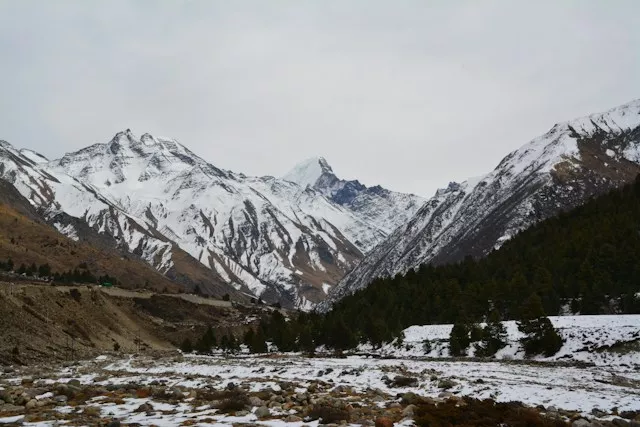
Mostly yes, with some nuance. Chitkul lies on the old Hindustan-Tibet trade route at about 3,450 metres, and the ITBP camps are a few kilometres beyond the village. Civilian movement beyond that point is restricted and controlled by the Indo-Tibetan Border Police.
You will also see the phrase "first village" used. Under the central government's Vibrant Villages Programme, border villages are meant to be described as the country's first villages rather than its last. Chitkul is generally listed among them. The official name changes the framing, not the geography. For search and conversation, "last village" is still what most people say.
Is Chitkul worth the journey?
It depends on what you want from it. Chitkul is a good fit if you want mountain scenery, quiet evenings by a river, short walks and a slower pace, and if you are happy to spend most of a day on the road each way.
It may disappoint you in these cases:
You want a pristine, untouched village. Tourism has changed the place. Many hotels and buildings have come up in recent years where there were hardly any before. Concrete structures now sit among the older wood-and-stone houses.
You only have a weekend from Delhi. The distance is large for a short trip. Shimla, Narkanda or Kalpa is a better use of two days.
You want nightlife, cafes or easy comforts. Facilities are basic and the season is short.
Sangla and Kamru can look greener and more dramatic on the way up. Some visitors find Chitkul itself quieter than the buildup suggests. It rewards people who stay a night and walk around, not those who photograph the bridge and leave.
How to reach Chitkul
The route runs from Shimla through Narkanda and Rampur to Karcham on NH5 (the Hindustan-Tibet road, which older guides still call NH22). At Karcham, you turn up the Baspa Valley through Sangla and Rakcham to Chitkul.
The route, stage by stage
Stage | Approx. altitude | What to know |
|---|---|---|
Shimla | 2,200 m | Common overnight stop |
Narkanda | 2,708 m | Gradual climb, then a long descent to the Sutlej |
Rampur | 1,350 m | Low point of the journey; good for food |
Karcham | 1,813 m | Turn-off for the Baspa Valley; Karcham Dam is here |
Sangla | 2,696 m | Main town in the valley; the last place with proper choice of stays |
Rakcham | 3,048 m | Quiet village; camps and meadows |
Chitkul | 3,450 m | End of the road for most visitors |
Altitude figures are from a regional trekking operator's route listing. Verify any you plan to quote.
Chitkul is roughly 569 km from Delhi, and that is about 14–16 hours of actual driving, ideally split over two days. Do not attempt it in one push unless you enjoy exhaustion.
Fuel: While Tapri and Reckong Peo have reliable pumps on NH5, there is also an operational petrol pump located inside the valley at Kuppa (near Sangla). However, it is still wise to enter the valley with a full tank.
By road with your own car or a taxi
This gives you the most flexibility, but the road demands attention. The valley road includes steep hairpins, narrow stretches and sections that can be rough after rain or snow. If you are not used to mountain driving, hiring a local driver costs more but removes much of the stress. Taxis can be arranged from Shimla, Chandigarh or Reckong Peo.
By bus, without a car
This is possible and cheap, but you need patience and flexibility.
Take an HRTC bus from Delhi, Chandigarh or Shimla towards Reckong Peo or Sangla.
From Peo or Sangla, take the local bus up to Chitkul, or hire a shared or private taxi.
There are generally two daily HRTC buses from Reckong Peo to Chitkul, departing around 9:30 AM and 12:00 PM. The roughly 60 km journey takes about 4 hours. Because schedules and return timings can fluctuate, always reconfirm the latest departure and last return bus at the Reckong Peo or Sangla bus stand before planning a day trip
Practical points for bus travellers:
Long-distance buses run late, especially on the Shimla stretch. Build a buffer.
If you reach Peo in the afternoon, you will probably have to overnight there, since the Chitkul bus leaves in the morning.
Do not plan a same-day connection you cannot afford to miss.
By train and air
The nearest broad-gauge railhead is Chandigarh (practical for most travellers) or Kalka for the narrow-gauge Kalka-Shimla toy train. Shimla is the end of that line, and the roads from there are long and winding.
For flights, Shimla's airport is the closest, at about 247 km, but flights are limited and weather-dependent. Chandigarh is farther, at roughly 345–358 km depending on the source, but better connected. Either way, the final leg is by road.
Permits: what you actually need
For Indian citizens, no permit is needed for Chitkul on the usual Shimla-side route. Carry a government photo ID anyway. Checks near the ITBP post at Nagasti ask for it.
For foreign nationals, the picture is less simple. Several travel guides state that lower Kinnaur destinations like Kalpa, Sangla and Chitkul do not need a permit for foreigners. But the official Kinnaur district guidance says that the part of Himachal between the Inner Line and the international border is a Protected Area, and foreigners need a permit to enter or stay there. At least one local operator also claims a permit is needed beyond Sangla. Because the published information conflicts, foreign travellers should confirm with the SDM Office in Reckong Peo, or the district administration, before travelling.
Whatever your nationality, treat the area past the ITBP post as off-limits unless you hold explicit authorisation.
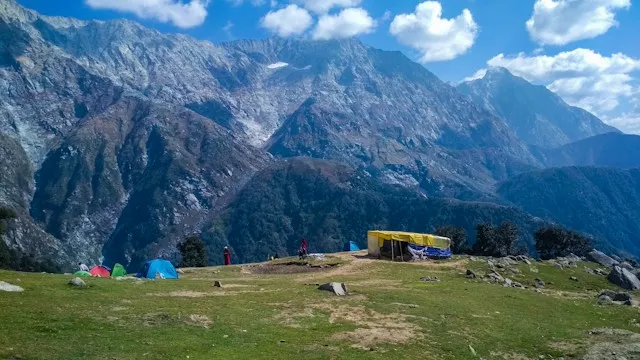
The best time to visit Chitkul
Guides disagree on seasons, partly because they define "good" differently. Here is a month-by-month view based on what published sources report. It is indicative only, not an IMD forecast.
Months | What to expect | Notes |
|---|---|---|
Dec–Feb | Deep snow, very cold nights, many places closed | The Sangla–Chitkul road typically closes by mid-December and may not reopen until March. Locals move lower |
March | Transition; snow clearing, but conditions vary year to year | Do not assume the road is open; check first |
April–June | Snow melts, roads and stays reopen, days are pleasant, nights cold | One operator cites highs near 20°C and nights around 5°C in summer |
July–Aug | Green and lush, but monsoon rain brings landslide risk | The Batseri stretch had a deadly landslide in July 2021; check road status daily |
September–October | Apple harvest, clear skies, cooling nights | Many travellers consider this the most photogenic window |
Late Oct–Nov | Getting cold, services winding down | Fewer stays open as winter approaches |
What about winter?
Winter has a haunting beauty, with snow-covered roofs, a frozen spillway on the Baspa and almost no people. But it is not a casual trip. Temperatures can fall well below freezing at night, the village can look like a ghost town, and food and stays may be shut. Recong Peo is the sensible winter base, with day trips up if the road is open. Carry cash, warm layers and a flexible plan.
Altitude: the risk people underestimate
Chitkul is at about 3,450 m. That is roughly 2,400 feet higher than Sangla, so altitude sickness is a real possibility if you rush.
To reduce the risk:
Climb gradually. A night at Narkanda, Sangla or Rakcham before Chitkul helps more than pushing through from Shimla in one day.
Drink water and eat regularly. Skip alcohol on arrival day.
Go easy on day one. Save long walks for the following day.
Know the warning signs. Persistent headache, nausea, dizziness or unusual breathlessness mean you should rest, and if symptoms worsen, descend and seek medical help.
Children, older travellers and anyone with heart, lung or blood-pressure conditions should talk to a doctor first. There is a primary health clinic in the village, but for anything serious, Reckong Peo has hospitals and is a few hours away. Carry your own medicines.
Where to stay: Chitkul, Rakcham, Sangla or Peo?
Base | Best for | Trade-offs |
|---|---|---|
Chitkul | Sunrise and sunset, early walks, staying inside the village | Basic facilities, limited choice, higher altitude on arrival |
Rakcham | Quieter camps, meadow views, a gentler step up in altitude | Fewer food options; most travellers still go on to Chitkul for the day |
Sangla | More variety, easier logistics, a better acclimatisation night | You add a drive to Chitkul and back |
Reckong Peo / Kalpa | Winter, bad weather, broader services, hospitals, Kinner Kailash views | Farther from Chitkul (about 58–60 km) |
For budget stays, the PWD Rest House, Zostel and The Wanderer's Nest are commonly mentioned by local operators. Converted Himachali wooden homestays can offer great views, though one operator notes they often cost a bit more because of the region's isolation. Camps appear near the village and in Rakcham in season.
Book ahead in peak months and check what meals are included, since eating options in the village are limited. We do not publish room rates here because they swing with season and availability. Ask for a written quote.
How much does a Chitkul trip cost?
Prices vary too much by season and operator to quote reliably, so here is how to build your own estimate.
Transport: HRTC bus fares are low. A private taxi is the biggest cost, and the quote depends on pickup point, duration and whether it is a one-way or round trip. Ask for a firm rate in advance.
Stay: Hostel dorms, homestays, camps and hotels sit at very different price points. Meals are sometimes included.
Food: Simple dhaba meals are inexpensive. One traveller reported a plate of rice, dal and mutton curry for about ₹120 in Reckong Peo in February 2024, which is a data point, not a current price.
Extras: Fuel if self-driving, a guide for higher treks, and cash buffer for anything unexpected.
Carry more cash than you think you need, since ATMs are unreliable (see below).
Practical reality check: network, cash and basic services
Mobile coverage: Patchy. A local operator says Jio, BSNL and JioAirFiber are available now, but signal is unreliable and varies by location and network. Download maps and save key phone numbers offline.
ATMs: The nearest ATM is in Sangla, and it is frequently out of order. Treat Reckong Peo as the last dependable one.
Fuel, medical and supplies: Stock up in Peo or Rampur. Chitkul has a primary health clinic, but not much more.
Power cuts: Possible. Carry a power bank and torch.
What to do in and around Chitkul
In the village
Walk the lanes. The village is small and works best on foot. Look at the Kath-Kuni style wood-and-stone houses, built to handle snow and earthquakes.
Mathi temple. It is dedicated to the village goddess Mathi and is one of the oldest in the area. Visitors are generally not allowed inside the main shrine, and local rituals may restrict access at certain times. Watch what locals do and ask before entering or photographing.
Kagyupa Buddhist temple. Visitors are generally not allowed inside, but the exterior and surroundings are worth a look.
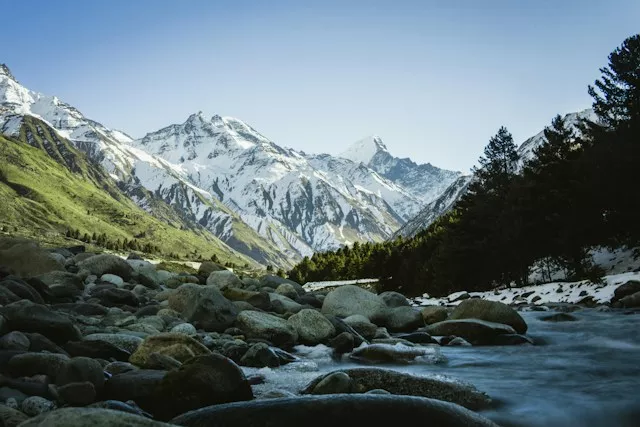
The Baspa riverbank. A good spot to sit, with cold glacial water and big boulders. Take your litter away.
The "last dhaba". It is on every visitor's list for rajma, kadhi-rice, Maggi, momos or thukpa. It is more about the setting than haute cuisine, and winter closures are common.
Local food. Potatoes grown here have a reputation across the state. Ask what is fresh.
Short walks and treks
Walk | Distance | Level | Notes |
|---|---|---|---|
Nagasti ITBP post | About 4 km | Easy | A popular acclimatisation walk; Wikipedia lists the post at about 4 km. Distances elsewhere range from 2 to 4 km. Carry ID |
Ranikanda meadows | About 10 km | Easy to medium | Good views of the upper valley |
Borasu Pass / Lamkhaga Pass | Multi-day | Hard | High-altitude crossings to Uttarakhand; go only with experience, a licensed guide and proper gear |
For anything above a short day walk, check conditions with locals or a registered operator, because weather in the high Himalaya changes fast.
Worth stopping for on the way
Karcham Dam and the Baspa-Sutlej meeting point. A dramatic transition between the dry Sutlej Valley and the greener Baspa Valley.
Sangla and Batseri. Good for wooden architecture, apple orchards and a food stop.
Kamru Fort. About 25 km from Chitkul per one guide. Visitors are reported to wear a head covering and avoid leather items, so ask locally before you go.
Rakcham. A pretty stop with river views and campsites.
Sample itineraries
3 days from Shimla (the usual loop)
Day 1: Shimla to Sangla. A regional itinerary lists about 235 km and 7–8 hours. Overnight in Sangla.
Day 2: Sangla to Chitkul via Rakcham. Explore the village, then either return to Sangla or stay overnight.
Day 3: Chitkul to Kalpa via Karcham.
5 days from Delhi (with acclimatisation)
Day 1: Delhi to Shimla or Narkanda. Stop early.
Day 2: Narkanda to Sangla.
Day 3: Sangla to Chitkul. Short walk only.
Day 4: Nagasti or Ranikanda walk, then return towards Sangla or Peo.
Day 5: Kalpa or Peo, then onward.
Reckong Peo-based day trip
By taxi in good conditions, Chitkul is a feasible day trip from Peo (the drive is about two hours each way). By bus, it is hard, because the morning departure and limited returns leave little time. Do not attempt it in winter or bad weather without checking road status.
Decision guides
Chitkul or Sangla or Kalpa?
Choose Chitkul for the end-of-the-road feeling and river walks. Choose Sangla for easier logistics and orchards. Choose Kalpa for Kinner Kailash views and a more comfortable base. On a tight schedule, Sangla plus Kalpa often gives a better balance than pushing to Chitkul.
Bus or taxi?
Bus if you are on a tight budget, have time and can handle delays. Taxi if you have limited days, are travelling with older relatives or children, or want to stop for photos.
Day trip or overnight?
Overnight, if you can. You get calmer evenings and early light, and you avoid rushing the return on a mountain road.
Who should go, and who should think twice
Families: Fine for children who handle long drives, with careful altitude pacing and warm clothes.
Seniors: Possible with a slow itinerary, a night at lower altitude first, and medical advice beforehand.
Solo travellers: Straightforward in season, with reliable bus and taxi options. Tell someone your plans because network is unreliable.
Photographers: Autumn and late spring give clear skies and strong light. Carry extra batteries in the cold.
Trekkers: Use Chitkul as a base for Nagasti and Ranikanda. Go for the high passes only with proper experience and a guide.
Common mistakes to avoid
Treating it as a one-day trip from Shimla. It is a long drive each way.
Skipping acclimatisation. Going from Shimla to 3,450 m in a day is the most common way to feel unwell.
Assuming the road is open in March or December. Check first.
Relying on a single ATM or UPI signal. Carry cash.
Planning around a bus you cannot afford to miss. Timings change and delays happen.
Expecting everything open in winter. Many dhabas, homestays and temples close.
Entering temples or photographing rituals without asking. Follow local custom.
Responsible travel in a growing village
More visitors have meant more construction and more waste. You can help by choosing homestays that employ locals, carrying your litter out, avoiding plastic where possible, asking before photographing people, and staying on marked paths. Skip the temptation to drive beyond permitted points.
What to pack
Layers (thermal base, fleece, down jacket), waterproof boots with grip, hat, gloves, sunglasses and sunscreen, a power bank and torch, photo ID, cash, basic medicines and any personal prescriptions, a refillable bottle, and snacks. Pack more warmth than you expect, since nights are cold even in summer.
Plan your Chitkul trip with TravelTech
A trip to Chitkul works best when it fits your dates, budget and comfort level, not a fixed package. Some travellers want the full Shimla-to-Chitkul loop in three days, others prefer a slower five-day plan from Delhi with time to acclimatise, and some only have a weekend. At TravelTech, we create customised Himachal itineraries around your needs, including travel dates, group size, rest stops for altitude and the right stay options along the route. Every itinerary is built on our own experience of the Kinnaur route, so realistic drive times, acclimatisation stops and buffer days are planned in from the start. If you are looking for a stay in Shimla or Kalpa before or after Chitkul, or want the whole Kinnaur and Sangla Valley trip in one plan, talk to our team and we will tailor it for you.
728 × 90 — Leaderboard
❓ Frequently Asked Questions
Does Chitkul have network coverage?
Where is Chitkul?
Do I need a permit for Chitkul?
How far is Chitkul from Shimla, Delhi and Reckong Peo?
Is Chitkul open in winter?
Can I reach Chitkul without a car?
📚 Related Guides
More Travel Stories
20 Pocket-Friendly Countries to Visit from India in 2026
20 cheapest countries to visit from India in 2026: visa rules, daily costs, best places to see and TravelTech packages for each one.
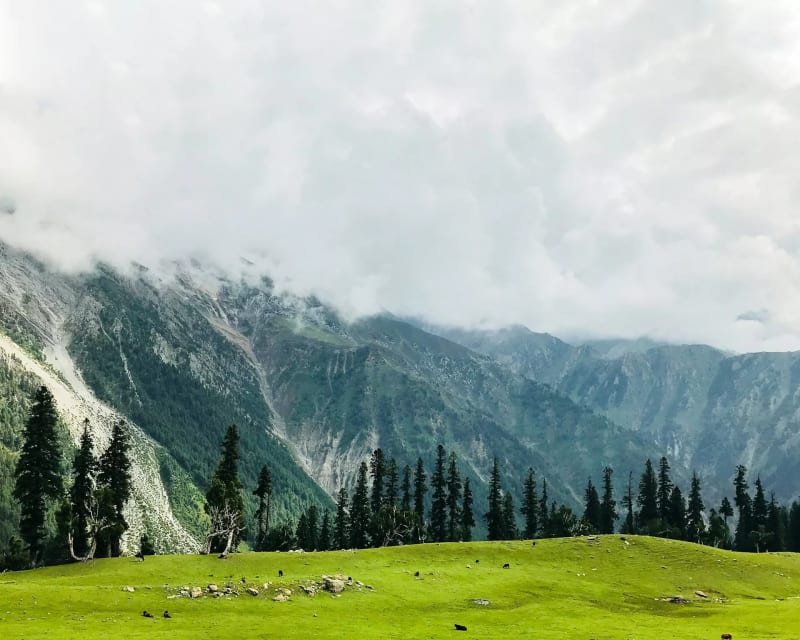
7 Days in Kashmir: More Than a Postcard, A Journey You'll Remember
Kashmir Stranger Group Trip | 7 Days with New Travel Companions
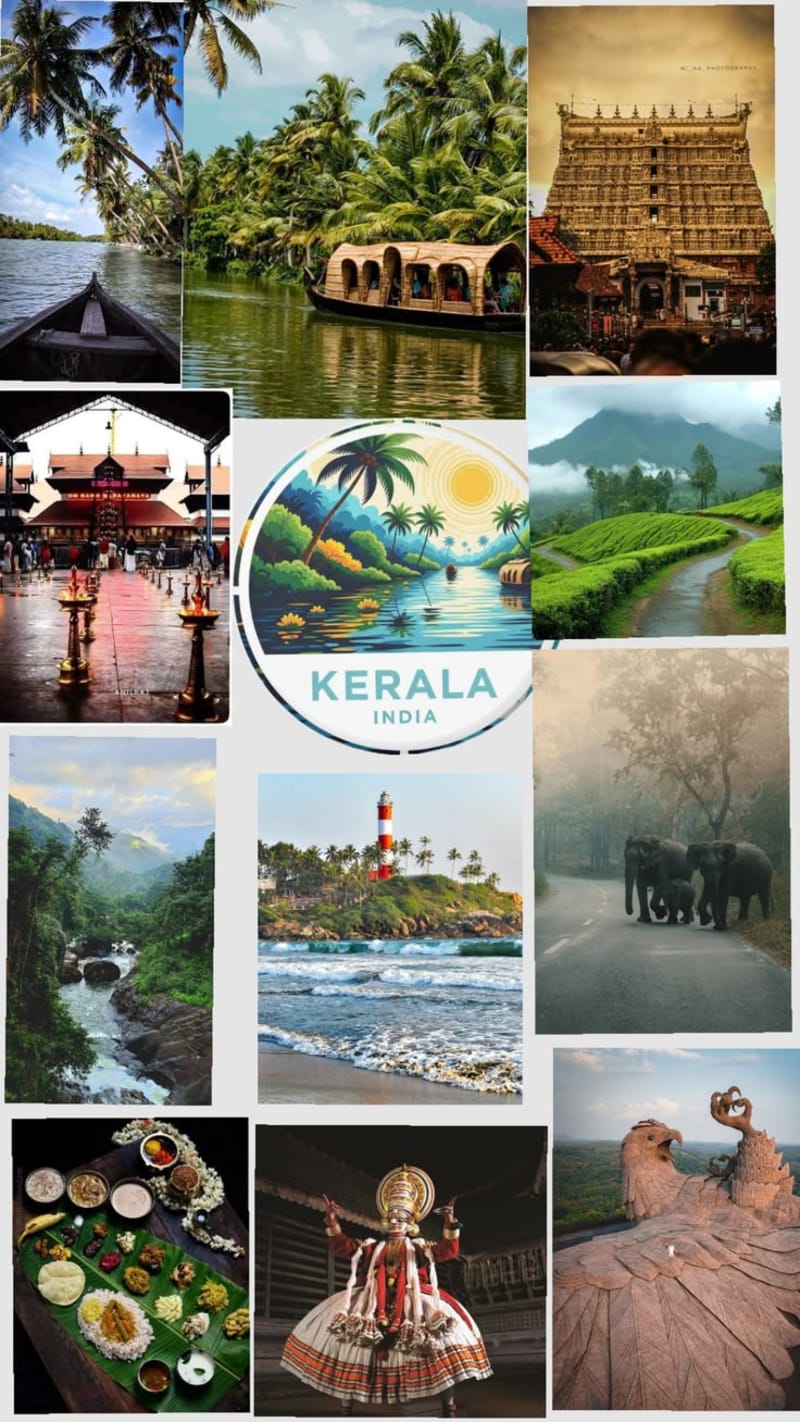
Kerala in 7 Days: From Munnar's Tea Hills to Kanyakumari (My Honest Take)
Plan a Kerala trip with this practical travel guide covering places to visit, food, itinerary, best time, routes from Indore, and TravelTech packages.