Extended country-by-country guide. Each section below is written for direct use on the blog — visa process, how to reach, currency and cost breakdown, best time to travel, things to do, food, and the relevant TravelTech package link.
1. Nepal
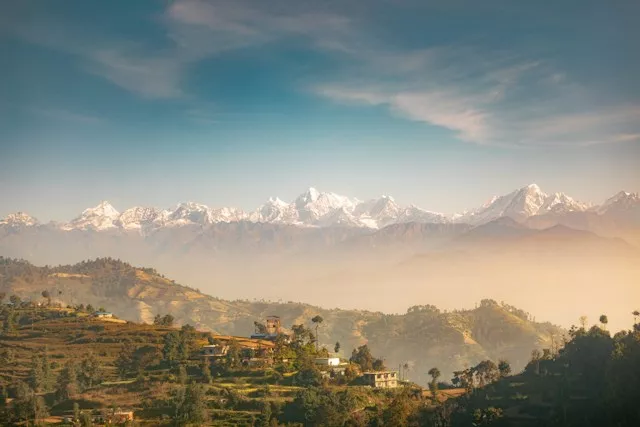
Nepal isn't just the cheapest country on this list — it's arguably the easiest international trip an Indian traveller can plan, full stop. Thanks to the 1950 India-Nepal Treaty of Peace and Friendship, Indian citizens don't need a visa, a passport photo, or even a full passport to enter. A valid passport or a voter ID card issued by the Election Commission of India is enough at land borders, and immigration officials at Tribhuvan International Airport are used to processing Indian travellers within minutes. This single fact — no visa queue, no online form, no processing fee — is why so many first-time international travellers from Central India choose Nepal for their very first trip abroad.
Visa and entry for Nepal: As mentioned, no visa is required. Overland travellers crossing at Sunauli, Raxaul, or Banbasa should still carry a passport where possible, since airlines and some hotels increasingly ask for one over a voter ID, even though it isn't strictly mandatory by treaty.
What is NOT Accepted (Strict Warnings):
Aadhaar (UID) cards are NOT accepted as valid travel documents for crossing into Nepal. Do not rely on Aadhaar as your primary ID at immigration or check-in counters.
Digital prints, downloaded soft copies, or photocopies are strictly rejected; you must carry your original physical documents.
PAN cards and driving licenses are generally not recognized as standalone entry documents for international air/land border transit to Nepal.
How to reach: Kathmandu has direct flights from Delhi, Mumbai, Bengaluru, Kolkata, Varanasi, and Lucknow, with flight time ranging from 1.5 to 2.5 hours depending on origin. Budget travellers from Uttar Pradesh and Bihar often prefer the overland route via Gorakhpur–Sunauli or Raxaul–Birgunj, which costs a fraction of a flight and turns the journey itself into part of the adventure, especially through the Terai plains.
Currency and costs: The Nepalese Rupee (NPR) trades close to par with the Indian Rupee, and Indian currency (barring ₹2,000 notes) is accepted in most tourist areas, which removes the usual friction of forex conversion. A backpacker-style budget of ₹1,500–2,000 a day covers a dorm bed or basic guesthouse, three meals of dal-bhat or momos, and local transport. Even a mid-range hotel with hot water and a view rarely crosses ₹3,000 a night outside peak trekking season.
Best time to visit: October to December is peak season, with clear mountain views and comfortable daytime temperatures. March to May is the second-best window, ideal for rhododendron blooms in the hills. Monsoon (June–September) brings landslide risk on mountain roads and is best avoided for trekking routes.
Things to do: Kathmandu Valley alone justifies a 3-day stay — Pashupatinath Temple, Swayambhunath (the Monkey Temple) with its panoramic valley views, the medieval squares of Bhaktapur and Patan, and Thamel's chaotic, wonderful backpacker lanes for shopping and nightlife. Pokhara, a 25-minute flight or 6-7 hour scenic drive from Kathmandu, offers Phewa Lake boating, paragliding over the Annapurna range, and the Sarangkot sunrise viewpoint, one of the most photographed sunrises in Asia. For the more adventurous, the Everest Base Camp trek (12-14 days) and the shorter Annapurna Base Camp or Poon Hill treks (4-7 days) are within reach without needing technical climbing experience — just fitness and the right season.
Food: Dal-bhat (lentils, rice, vegetables) is the trekking staple for good reason — most teahouses offer unlimited refills. Momos, thukpa (noodle soup), and Newari specialities like yomari and choila in Kathmandu are worth seeking out beyond the tourist menu.
Good to know: Altitude sickness is a genuine risk above 2,500 metres on trekking routes, so build in acclimatisation days rather than rushing the schedule, and drink far more water than feels necessary. Nepal uses Indian rupees informally but its own NPR is the legal tender, so carry small denominations for rural areas where digital payments haven't caught on. Indian SIM roaming works patchily outside Kathmandu and Pokhara, so a local SIM (available cheaply at the airport) is worth picking up if you're travelling more than a few days. A suggested first-timer itinerary: 2 days Kathmandu, 3 days Pokhara with a day trip to Sarangkot, and either a short Poon Hill trek or simply extra relaxation time by Phewa Lake — a structure that works well whether you're travelling as a couple, a family, or a group of friends splitting costs on a shared jeep.
2. Bhutan
Bhutan occupies an unusual place on this list — it's technically one of the more expensive per-day destinations here, but almost all of that cost goes toward something you're actually getting: a country that has deliberately kept mass tourism out to protect its forests, monasteries, and "Gross National Happiness" model of development. For Indians, it remains visa-free, but travel here comes with the Sustainable Development Fee (SDF), currently around ₹1,200 per person per night for Indian nationals (lower than the USD 100 charged to other foreign nationals), which funds free healthcare, free education, and environmental conservation across the country.
Visa and Entry (Permit Requirements) for Bhutan: Indian citizens don't need a visa, but an Entry Permit is strictly mandatory. As per the official requirements, you must present the following for the permit:
A valid Indian Passport (must have a minimum validity of 6 months from the intended date of departure) OR a Voter Identity Card. (Note: Aadhaar cards, PAN cards, and Driving Licenses are NOT accepted).
A Recommendation letter from a local host/counterpart (usually provided by your registered tour operator or hotel).
Birth Certificate (in English) for children below the age of 18 years.
A duly completed entry permit application form.
(The Department of Immigration may ask for additional documents during assessment, if required).
The entry permit can be processed online in advance through Bhutan's official immigration portal or obtained on arrival at Paro airport and the Phuentsholing land border. The SDF is collected separately.
(Note for 2026 travel: Bhutan has introduced a 5% GST on tourism services like hotels, guides, and transport, though the SDF itself remains completely exempt from this tax).
How to reach: Paro is the only international airport, served by direct flights from Delhi, Kolkata, and Guwahati (around 1-2.5 hours), operated mainly by Bhutan's own carriers. Budget travellers often fly or drive to Bagdogra or Siliguri in West Bengal, then cross overland at Phuentsholing via Jaigaon, which is significantly cheaper than flying directly.
Currency and costs: The Bhutanese Ngultrum (BTN) is pegged 1:1 to the Indian Rupee, and INR is accepted almost everywhere except for large-denomination ₹2,000 notes in some places. Once the SDF is factored in, a realistic daily budget is ₹3,000-4,500, which includes basic-to-mid-range accommodation, meals, and the fee itself — budget guesthouses and home-stays in Thimphu and Paro keep the accommodation portion low.
Best time to visit: October to December offers the clearest mountain views and coincides with major festivals like the Thimphu Tshechu. March to May brings blooming rhododendrons and milder trekking weather. Winter (Dec-Feb) is cold but far less crowded, which some travellers prefer for a quieter monastery-hopping trip.
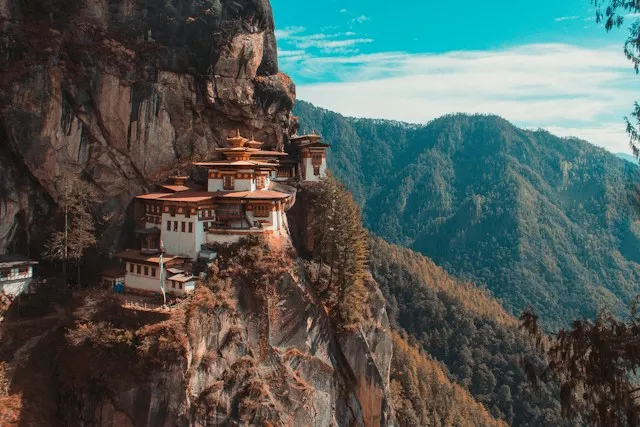
Things to do: The Tiger's Nest Monastery (Paro Taktsang), perched on a cliff face 900 metres above the Paro valley, is the single most iconic hike in the country — a 4-5 hour round trip that rewards you with one of the most striking monastery views in the Himalayas. Thimphu, the capital, blends the Tashichho Dzong fortress-monastery with the giant Buddha Dordenma statue overlooking the valley. Punakha Dzong, at the confluence of two rivers, is widely considered Bhutan's most beautiful fortress and is a common day trip from Thimphu, often combined with a walk across the Punakha suspension bridge.
Food: Ema datshi (chillies in cheese sauce) is the national dish and appears in some form at nearly every meal. Red rice, momos, and butter tea are worth trying, though most hotels also offer milder options for travellers not used to Bhutanese spice levels.
Good to know: Bhutan doesn't allow independent backpacking in the way Nepal or Southeast Asia do — travel here is structured around licensed operators and pre-arranged itineraries, which is partly why the SDF exists in the first place, so spontaneity looks a little different here than elsewhere on this list. Smoking is banned in public spaces nationwide, and the sale of tobacco is tightly restricted, something first-time visitors are occasionally caught out by. Photography inside dzongs and monasteries is often restricted to outdoor courtyards, so check with your guide before pointing a camera at interior shrine rooms. A well-paced first trip runs 5N/6D: 2 nights Thimphu, 2 nights Paro (including the Tiger's Nest hike, ideally scheduled for a clear-weather day), and a day trip to Punakha in between.
3. Sri Lanka

Sri Lanka has quietly become one of the best value international trips from South India, helped by a short flight time, a favourable exchange rate for the rupee, and an entry process that got noticeably simpler in the past couple of years. The island packs beaches, hill-country tea estates, ancient Buddhist and Hindu temple complexes, colonial-era towns, and one of the most scenic train rides in Asia into a country you can comfortably cover in 7-10 days.
Visa and entry for Sri Lanka: Sri Lanka now issues a free Electronic Travel Authorisation (ETA) to Indian passport holders, applied for online through the official ETA portal before departure — it typically takes minutes to a few hours to process, and travellers should apply only through the official site to avoid third-party markup sites that charge unnecessary fees for a free service.
How to reach: Direct flights connect Colombo (Bandaranaike International Airport) with Chennai (under 1.5 hours), Bengaluru, and Delhi, making it one of the shortest international flights available to South Indian travellers. Chennai-Colombo in particular is often cheaper and faster than many domestic India routes.
Currency and costs: The Sri Lankan Rupee (LKR) has depreciated significantly against major currencies in recent years, which works in Indian travellers' favour. A realistic daily budget of ₹1,500-3,000 covers guesthouse stays, three meals, and the excellent (and very cheap) local train and tuk-tuk network.
Best time to visit: Sri Lanka has two monsoon systems, so timing depends on which coast you're visiting. December to March is ideal for the south and west coasts (Colombo, Galle, Mirissa, Bentota). May to September suits the east coast (Trincomalee, Arugam Bay). The Cultural Triangle (Kandy, Sigiriya, Anuradhapura) is reasonably good year-round.
Things to do: Sigiriya Rock Fortress, a 5th-century palace complex built atop a 200-metre volcanic rock, is one of the most striking archaeological sites in South Asia and a near-mandatory stop. Kandy's Temple of the Sacred Tooth Relic and the surrounding Royal Botanical Gardens at Peradeniya make for an easy cultural day. The Kandy-to-Ella train journey, cutting through tea estates, waterfalls, and misty hill towns, is consistently ranked among the world's most scenic rail routes and costs only a few hundred rupees for a seat. Galle's Dutch colonial fort, Mirissa's whale watching season (Nov-Apr), and Yala National Park's leopard safaris round out a well-paced itinerary.
Food: Rice and curry (multiple small curries served with rice) is the everyday staple, along with hoppers (bowl-shaped rice pancakes, often served with egg), kottu roti (chopped flatbread stir-fried with vegetables or meat), and Ceylon tea straight from the source in the hill country.
Good to know: Sri Lanka's spice levels genuinely surprise a lot of Indian travellers who assume familiarity — it's often hotter than the food back home, so don't hesitate to ask for it toned down. Reserved seats on the Kandy-Ella train sell out weeks ahead in peak season, so book them in advance rather than hoping to walk on. Sri Lanka drives on the left, and tuk-tuks are the default short-distance transport in every town — always agree a fare before getting in, or ask your hotel to book one with a meter. A well-rounded 8-day loop runs Colombo (1N) to Kandy (2N) to Ella via the scenic train (2N) to Mirissa or Galle (2N) and back to Colombo, covering hills, culture, and coast without excessive backtracking.
4. Thailand
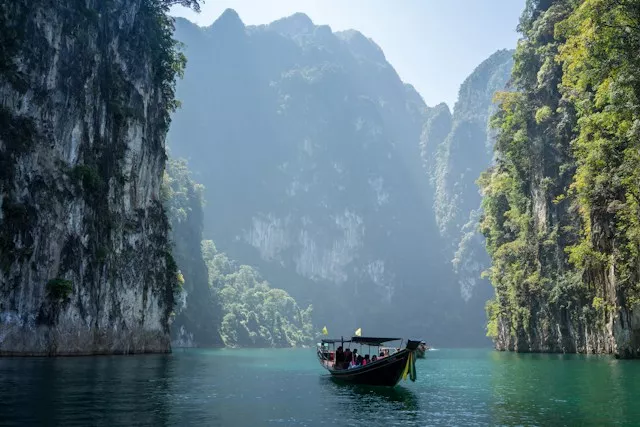
Thailand remains the single most popular international destination for Indian travellers, and 2026 brought its biggest entry-rule change in years: Indians can now enter completely visa-free, no visa-on-arrival stamp or fee required, for stays of up to 30 days (down from the earlier 60-day exemption that was in place through most of 2025). This makes Thailand, alongside Nepal, Bhutan, and Malaysia, one of the few countries on this list where Indians face zero visa cost or paperwork before flying, beyond a digital arrival card.
Visa and entry for Thailand: Visa-free entry for up to 30 days. Every traveller must complete Thailand's Digital Arrival Card (TDAC) online within 72 hours of arrival — this is not optional, and immigration has turned back travellers who skip it, so treat it as seriously as the visa itself even though it isn't one.
How to reach: Bangkok's Suvarnabhumi and Don Mueang airports have direct flights from nearly every major Indian city — Delhi, Mumbai, Bengaluru, Chennai, Kolkata, Hyderabad, Kochi — typically 4 hours in the air. Phuket also runs direct seasonal flights from Delhi and Mumbai during peak winter months, cutting out a Bangkok layover for beach-focused trips.
Currency and costs: The Thai Baht (THB) has stayed relatively stable, and Thailand remains genuinely cheap for the quality on offer. ₹2,000-3,500 a day comfortably covers a clean guesthouse or 3-star hotel, all meals (mostly street food, which is excellent and safe), and local transport including the BTS Skytrain in Bangkok.
Best time to visit: November to February is peak season — cool, dry, and the most comfortable for both city sightseeing and island-hopping. March to May gets hot and humid; June to October is monsoon season, with the islands (Phuket, Koh Samui) generally handling rain better than the mainland.
Things to do: Bangkok alone deserves 2-3 days — the Grand Palace and Wat Phra Kaew complex, Wat Arun at sunset across the river, the floating markets at Damnoen Saduak, and Chatuchak Weekend Market for shopping that ranges from souvenirs to genuinely good local fashion. Chiang Mai's old city, its night bazaar, and the ethical elephant sanctuaries in the surrounding hills (avoid anywhere offering elephant rides — look specifically for "no-ride" sanctuaries) make it worth a 3-day extension. Phuket and Krabi cover the beach half of the trip — Phi Phi Islands day trips, Railay Beach's limestone cliffs, and James Bond Island are the standard circuit, best booked as a group tour to split boat costs.
Food: Pad thai, tom yum goong, green and red curries, mango sticky rice, and the street-food night markets (Bangkok's Chinatown/Yaowarat in particular) are worth building an entire evening around. Thai food is generally very India-friendly on spice tolerance, with vegetarian options ("mangsawirat") available almost everywhere in tourist areas.
Good to know: Even with visa-free entry, immigration officers can ask to see proof of onward travel and sufficient funds, so keep a return ticket and hotel bookings accessible on your phone. Grab (Southeast Asia's ride-hailing app) is far more reliable than hailing taxis on the street in Bangkok, and worth installing before you land. Thailand's tourist police operate a dedicated helpline for scams and disputes, which is genuinely useful given how common tuk-tuk and gem-shop scams remain around major temples — politely decline any tuk-tuk driver who insists the temple you want is "closed today." A first-timer's week works well as 3 nights Bangkok, 2 nights Chiang Mai or Pattaya, and 2 nights Phuket or Krabi, though many first-time Indian travellers simplify to a single-city Bangkok-Pattaya loop to keep domestic flights out of the budget entirely.
TravelTech package: Our Thailand Group Tour Packages run Bangkok-Pattaya and Bangkok-Phuket circuits from 4N/5D, with island-hopping day trips and Trip Captain-led city tours included.
5. Vietnam
Vietnam sits a notch above the cheapest tier on this list purely because of the e-visa requirement, but it makes up for that with one of the most complete travel experiences in Southeast Asia — limestone bays, colonial old towns, war history, and a food scene that food-focused travellers often rate above Thailand's. We've covered Vietnam in full detail in a separate guide, but the short version: Hanoi's Old Quarter, Ha Long Bay's overnight cruises through thousands of limestone karsts, Hoi An's lantern-lit ancient town, and Ho Chi Minh City's mix of French colonial architecture and Vietnam War history make it a genuinely well-rounded 7-10 day trip.
Visa and entry for Vietnam: You absolutely need an e-visa to enter Vietnam as an Indian citizen. The great news for 2026 is that you now have two choices: a Single-Entry visa for USD 25 or a Multiple-Entry visa for USD 50, and both allow you to stay for up to 90 days. It usually takes about 3 to 5 working days to process, so make sure you get this sorted before booking any non-refundable flights.
Currency and costs: The Vietnamese Dong (VND) has a lot of zeros, which takes a day or two to mentally adjust to, but day-to-day costs remain low — street food meals for under ₹150-200, and budget-to-mid hotels for ₹1,500-2,500 a night outside Hanoi and Ho Chi Minh's centre.
Best time to visit: November to April is the most comfortable window across the country, avoiding both the northern winter chill and the central/southern monsoon.
How to reach: Direct flights connect Hanoi and Ho Chi Minh City with Delhi and Mumbai, typically 5-6 hours; some routes also run via a short Southeast Asian layover depending on the season and carrier.
Things to do: Hanoi's Old Quarter, with its 36 narrow trading streets each historically dedicated to a single craft, is best explored on foot or by cyclo, ending most evenings at a bia hoi (fresh beer) corner where a glass costs less than a bottle of water back home. Ha Long Bay's overnight cruises through limestone karsts rising out of emerald water are the single most-booked experience for Indian travellers in Vietnam, typically including kayaking and a cave visit. Hoi An's Ancient Town, lit by thousands of paper lanterns after dark, is also where a huge share of Indian travellers get custom tailoring done — a full suit or several outfits stitched within 24-48 hours at a fraction of home prices. Ho Chi Minh City's War Remnants Museum and the Cu Chi Tunnels (a network of tunnels used during the Vietnam War, some sections open for visitors to crawl through) offer sobering historical context to round out the trip.
Food: Pho (noodle soup), banh mi (French-influenced baguette sandwiches), and fresh spring rolls define everyday Vietnamese eating, alongside egg coffee, a Hanoi speciality that's become a genuine tourist draw in its own right.
Good to know: Vietnam's domestic flight network (Hanoi to Da Nang or Ho Chi Minh City) is cheap and frequent, and generally a better use of time than the long overland train or bus alternative for a one-week trip. Grab operates across Vietnam's major cities and is the easiest, most scam-proof way to get around rather than negotiating with street taxis. Traffic, particularly the sheer volume of scooters in Hanoi and Ho Chi Minh City, can be intimidating to cross on foot at first — the local technique is to walk at a slow, steady pace and let the traffic flow around you rather than stopping or running.
TravelTech package: See our complete Vietnam Travel Guide for Indians for the full itinerary breakdown, and our Vietnam Group Tour Packages for current departure dates, typically run as 6N/7D covering Hanoi, Ha Long Bay, and Ho Chi Minh City.
6. Malaysia
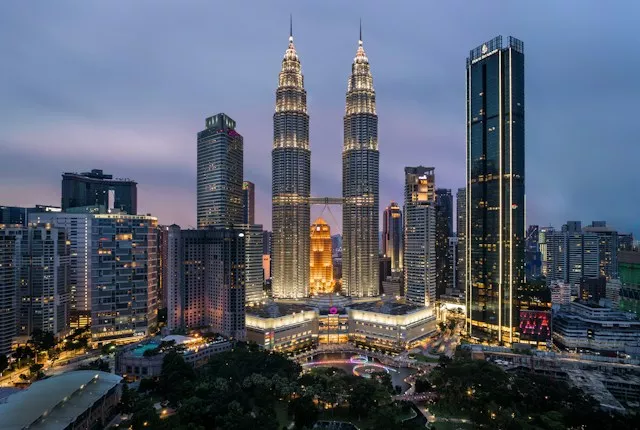
Malaysia is often overlooked in favour of Thailand, but for travellers who've already done Bangkok and Phuket, it offers a genuinely different city-and-island combination — a properly modern capital in Kuala Lumpur, laid-back beach islands in Langkawi, and one of the best food cities in Asia in Penang, all visa-free for Indians.
Visa and entry for Malaysia: Malaysia offers Indians visa-free entry for stays up to 30 days. The mandatory step travellers often miss is the Malaysia Digital Arrival Card (MDAC), which must be filled online within 3 days before arrival — skipping it can cause delays at immigration even though no visa fee applies.
How to reach: Kuala Lumpur has direct flights from Delhi, Mumbai, Chennai, Bengaluru, and Kochi, around 4-5 hours. Budget carriers (AirAsia in particular) frequently run some of the cheapest fares on this entire list between India and Southeast Asia.
Currency and costs: The Malaysian Ringgit (MYR) keeps daily costs low — ₹2,000-3,500 covers a clean hotel, hawker-centre meals (some of the best-value food in Asia), and the efficient KL public transport (LRT/MRT) or AirAsia domestic hops to Langkawi.
Best time to visit: December to February avoids the worst of the monsoon on the west coast, where Kuala Lumpur, Penang, and Langkawi sit; the east coast (Perhentian Islands) has an inverted season and is best March to October.
Things to do: Kuala Lumpur's Petronas Towers and the KL Tower skybridge cover the skyline views; Batu Caves, a Hindu shrine inside a limestone cave complex just outside the city, is a striking half-day trip and holds particular resonance for many Indian travellers given its Tamil-Hindu heritage. Langkawi's cable car up to Gunung Mat Cincang, its duty-free shopping, and its calm beaches make it the easiest island add-on in the region. Penang's Georgetown, a UNESCO World Heritage old town, is arguably the best food city in Southeast Asia — street art trails by day, hawker stalls by night.
Food: Nasi lemak (coconut rice with sambal and sides), char kway teow, and Penang's laksa are the dishes to build a trip around. Malaysia's large Indian-origin population also means genuinely good South Indian food is easy to find in KL's Brickfields ("Little India") neighbourhood, a comfort many first-time travellers appreciate.
Good to know: Malaysia's large Tamil and Punjabi-origin communities mean Hindi and Tamil are understood in pockets of KL, particularly around Brickfields, which eases the culture-shock curve for first-time international travellers considerably. The KL Hop-On Hop-Off bus is a cheap, efficient way to cover the major sights without arranging individual taxis. Langkawi is a duty-free island, so chocolate, alcohol, and electronics run noticeably cheaper there than mainland Malaysia, worth timing your shopping around. A solid 6-night trip splits 3 nights KL (city, Batu Caves, a day trip to Genting Highlands for cooler weather and casino entertainment) and 3 nights Langkawi (cable car, beaches, mangrove tours), which balances city and island time without excessive domestic travel.
TravelTech package: Our Malaysia Group Tour Packages cover KL-Langkawi and KL-Penang circuits from 4N/5D, with the MDAC and all local transfers handled as part of the booking.
7. Singapore
Singapore is the one genuine outlier on this list — not visa-free, and noticeably pricier per day than every Southeast Asian neighbour here — but it earns its place because it's compact enough that a well-planned 3-4 day trip keeps total costs far more predictable than the "expensive city" reputation suggests, especially compared to a similarly short trip to Europe or the US.
Visa and entry for Singapore: Indian citizens need a tourist e-visa to enter Singapore, but you cannot apply for it directly on the official website. Applications must be routed through an Authorized Visa Agent (most group tour operators, including TravelTech, handle this completely as part of the package). Processing is usually quick and typically takes 3–5 working days.
Mandatory Entry Requirement: Even with an approved visa, every traveller must fill out the SG Arrival Card (SGAC) online within 3 days (72 hours) before arriving in Singapore. This is completely free on the official ICA portal, but it is 100% mandatory — you won't be allowed to board your flight without it. Ensure your passport also has at least six months of validity.
How to reach: Direct flights connect Singapore's Changi Airport with Delhi, Mumbai, Bengaluru, Chennai, Hyderabad, and Kolkata, around 4.5-5.5 hours depending on origin. Changi is also consistently rated one of the world's best airports, which makes even a layover here pleasant if it's part of a longer Southeast Asia trip.
Currency and costs: The Singapore Dollar (SGD) is strong, which is why Singapore tops this list on daily budget (₹4,000-7,000). Hawker centres are the way to control food costs — a full meal for ₹300-500 at a hawker centre versus ₹1,500+ at a standalone restaurant is the single biggest lever on a Singapore budget.
Best time to visit: Singapore sits near the equator and stays warm and humid year-round, so timing matters less than elsewhere on this list — February to April has marginally less rain, but any month works for a short trip.
Things to do: Gardens by the Bay, especially the Supertree Grove light show in the evening, is close to mandatory. Sentosa Island covers beaches, Universal Studios Singapore, and the S.E.A. Aquarium in one compact zone reachable by cable car or a short monorail ride. Marina Bay Sands' observation deck offers the classic skyline photo, and the free light-and-water show at Marina Bay Sands (Spectra) is one of the city's best-value evening activities. For a cheaper cultural afternoon, Little India and Chinatown are both walkable, atmospheric, and largely free to explore.
Food: Hawker centres like Maxwell Food Centre and Lau Pa Sat are the budget traveller's best friend — chicken rice, laksa, char kway teow, and satay are all available for a fraction of restaurant prices without any drop in quality; several hawker stalls in Singapore have even held Michelin recognition.
Good to know: Singapore enforces strict fines for littering, jaywalking, and chewing gum import — rules that are genuinely enforced, not just signage, so it's worth taking seriously rather than treating as tourist trivia. The EZ-Link or contactless card system makes the MRT metro genuinely painless, and a tourist pass is rarely worth it unless you're taking 6+ rides a day. Little India and Mustafa Centre (a 24-hour department store) are popular late-night stops for Indian travellers wanting familiar snacks or last-minute shopping. Because the whole country is roughly the size of a large Indian city, a well-planned 3N/4D trip genuinely covers the major sights without feeling rushed — Sentosa on one day, Gardens by the Bay and Marina Bay in the evening of another, and a full day split between Chinatown, Little India, and Orchard Road shopping.
TravelTech package: Our Singapore Group Tour Packages run as standalone 3N/4D city trips or combined with a Malaysia leg, with the visa handled as part of the booking.
8. Indonesia (Bali)
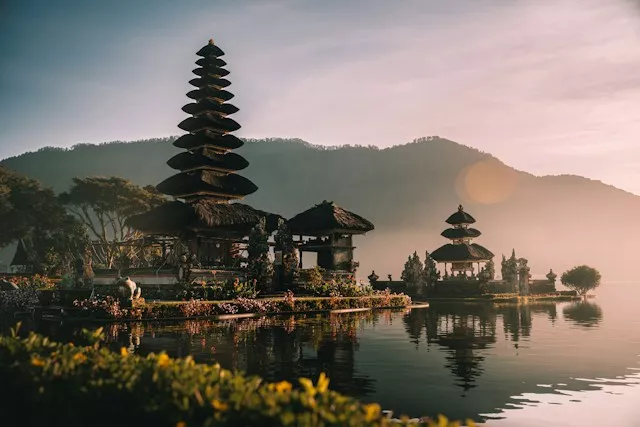
Bali remains the best-value beach holiday on this list for travellers who want more than just sand — rice terraces, volcano hikes, Hindu temple complexes, and a surf and wellness culture that's made it one of the most Instagrammed destinations in the world, all at a daily cost well below the Maldives or Seychelles.
Visa and entry for Indonesia: Indian citizens need a visa for Indonesia, but the process is very straightforward. You can pick up a 30-day Visa on Arrival at the airport for IDR 500,000 (roughly USD 35 or ₹2,800), which can be extended once for another 30 days from within the country. However, the smartest move is to apply for the e-VOA online before you fly. This lets you use the automated e-gates at Bali's airport and bypass the long arrival queues completely.
Two crucial extra steps to remember:
Electronic Customs Declaration (e-CD): Every passenger must submit a digital customs form online within 3 days before landing. It is completely free to complete and generates a QR code you scan right before exiting the airport.
Bali Tourist Levy: If Bali is your destination, there is a mandatory local tourist fee of IDR 150,000 (around ₹850). Pay this beforehand on the official Love Bali website or mobile app to avoid waiting at manual payment counters.
Make sure your passport has at least six months of validity left, and keep the QR codes for your e-VOA, customs form, and tourist levy saved offline on your phone so you can clear immigration and customs smoothly.
How to reach: There are no direct flights from India to Bali yet, so the standard route connects via Singapore, Kuala Lumpur, or Jakarta, with total travel time (including layover) around 8-10 hours. Singapore transit tends to offer the most convenient connection times.
Currency and costs: The Indonesian Rupiah (IDR) has enough zeros to catch out first-timers (a ₹300 meal shows up as roughly 50,000 IDR), but daily costs stay low once you adjust — ₹2,000-3,500 covers a warung meal three times a day, a basic guesthouse or homestay, and scooter rental, which is the standard way to get around Bali outside organised tours.
Best time to visit: April to October is the dry season and the most reliable window for beach days and volcano treks; November to March is wetter but also less crowded and cheaper.
Things to do: Ubud is the cultural anchor — the Tegallalang rice terraces, the Sacred Monkey Forest Sanctuary, and countless yoga studios and art markets. Uluwatu Temple, perched on a cliff above the Indian Ocean, pairs a sunset visit with a traditional Kecak fire dance performance. Mount Batur's sunrise trek (a 2-3am start, roughly 2 hours uphill) rewards early risers with a volcano-rim sunrise over the island. Seminyak and Canggu cover the beach-club-and-surf side of Bali, while the Nusa Penida day trip (Kelingking Beach's T-Rex-shaped cliff is the money shot) has become one of the most-requested add-ons for Indian group tours in the last few years.
Food: Nasi goreng, babi guling (suckling pig, non-vegetarian travellers only, given its central role in Balinese Hindu ceremony), mie goreng, and fresh tropical fruit at every roadside stall. Vegetarian travellers will find Ubud in particular has adapted well, with a large health-food and vegan café scene catering to the wellness-tourism crowd.
Good to know: Bali's Hindu traditions, temple etiquette (a sarong is required at most temple entrances, and these are usually available to rent on-site), and the island-wide "Nyepi" Day of Silence each March (when the entire island, including the airport, shuts down for 24 hours) are worth reading up on before you go, since the culture runs deeper than the beach-club reputation suggests. Renting a scooter is the default way to get around outside organised tours, but Bali's traffic and road conditions catch out a lot of first-time riders — an international driving permit and genuine riding experience matter here, not just a valid India licence. A well-balanced 6-night trip runs 3 nights Ubud (culture, rice terraces, Mount Batur sunrise) and 3 nights Seminyak or Canggu (beach clubs, surf, Uluwatu sunset), with Nusa Penida as a single long day trip rather than an overnight add-on for most itineraries.
TravelTech package: Our Bali Group Tour Packages cover Ubud-Seminyak-Nusa Penida circuits from 5N/6D, with the e-VOA process and airport transfers built into the booking.
9. Maldives
The Maldives' five-star-resort reputation scares off a lot of budget travellers who assume it's out of reach — but the "local island" model, where independent guesthouses on inhabited islands (as opposed to private resort islands) operate at a fraction of resort prices, has genuinely changed what a Maldives trip can cost over the last decade, and it remains one of the shortest, easiest flights on this entire list from South India.
Visa and entry for Maldives: The Maldives is completely hassle-free for Indian passport holders. You get a free 30-day tourist visa on arrival, and there is no advance visa application or fee required. Just make sure you have a passport with at least one month of validity (though airlines often insist on 6 months), a confirmed resort/hotel booking, and a return flight ticket.
The One Mandatory Step You Can't Miss: Every single traveller (including children) must fill out the IMUGA Traveller Declaration online within 96 hours (4 days) before arriving in the Maldives. This form is 100% free and must be submitted through the official government portal. It generates a QR code that you will need to show at the check-in counter in India and at immigration in Malé. Beware of third-party scam websites that try to charge you a fee for this free declaration!
How to reach: Malé's Velana International Airport has direct flights from Delhi, Mumbai, Bengaluru, Chennai, Kochi, and Thiruvananthapuram, ranging from roughly 3 to 4.5 hours — Thiruvananthapuram to Malé in particular is one of the shortest international routes available from India.
Currency and costs: The Maldivian Rufiyaa (MVR) is the official currency, but US Dollars are accepted almost universally on both resort and local islands, which simplifies budgeting. Resort-island stays can run into several lakhs per night at the high end, but local islands like Maafushi, Guraidhoo, and Thulusdhoo keep a realistic daily budget to ₹4,000-6,000, transfers and water-sport add-ons included.
Best time to visit: November to April is the dry season with the calmest seas, ideal for snorkelling and diving visibility; May to October brings more rain but also lower prices and good surf conditions on the southern atolls.
Things to do: Snorkelling and diving are the obvious draws — the Maldives has some of the best coral reef visibility in the world, and even budget local-island guesthouses typically arrange snorkelling trips to nearby reefs for a fraction of resort prices. Sandbank and dolphin-watching excursions are widely available and popular half-day add-ons from Maafushi. Bioluminescent plankton ("sea of stars") is visible on certain beaches on clear nights during specific months, a genuinely magical, low-cost experience that doesn't require a resort budget at all. For travellers wanting one splurge night, several resort islands offer day-visitor passes that include lunch and beach access without the full overnight room rate.
Food: Maldivian cuisine leans heavily on fish (tuna especially), coconut, and rice — garudhiya (a clear fish broth) and mas huni (shredded smoked tuna with coconut and chilli, typically a breakfast dish) are worth trying on a local island, where the food is more authentically Maldivian than the international buffets on resort islands.
Good to know: Local islands follow conservative dress codes outside designated "bikini beaches" (a small marked section on each inhabited island), a distinction that surprises travellers expecting resort-style freedom everywhere — swimwear is confined to those zones, while regular clothing covering shoulders and knees is expected elsewhere on the island. Alcohol is generally unavailable on local islands (Maldives is a Muslim-majority country) but freely available on resort islands, worth knowing before you book if that matters to your trip. Speedboat transfers from Malé airport to local islands can cost more than the flight itself if not pre-arranged, so book transfers as part of your package rather than negotiating on arrival. A well-paced 5-night trip on a local island, split between snorkelling, a sandbank picnic, and simply relaxing, comfortably beats a rushed 2-night resort stopover on cost-per-day value.
TravelTech package: Our Maldives Group Tour Packages include both local-island budget options and select resort upgrades, so the same trip can be priced up or down depending on what the group wants.
10. Seychelles
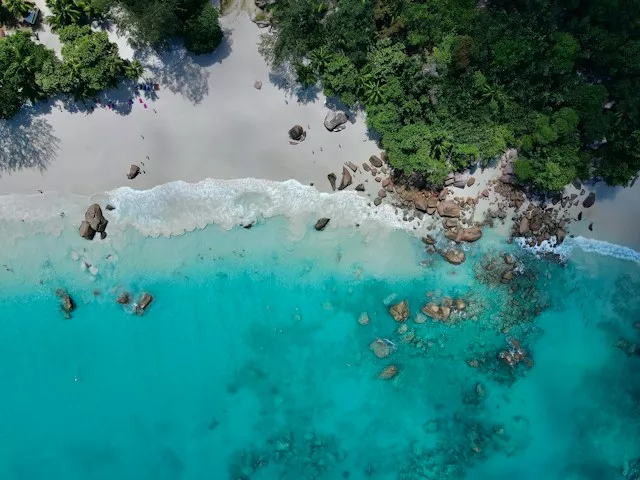
Seychelles is the honest outlier on this list on price, but it's included because its "visa-free" entry and granite-boulder beaches (Anse Source d'Argent on La Digue is one of the most photographed beaches on Earth) put it within reach of a well-planned mid-budget trip, not just the ultra-luxury travellers it's usually marketed to.
Visa and entry: Seychelles is technically a visa-free destination for Indian passport holders. When you arrive, immigration simply hands you a Visitor's Permit valid for up to 30 days, which you can easily extend later from within the country. However, there is a very important catch: you cannot just pack your bags and fly.
The Mandatory Pre-Flight Step: Every single traveller must apply for a Seychelles Travel Authorization online before their trip. You can apply for this up to 30 days in advance on the official Seychelles Electronic Border System. There is a standard processing fee of 10 Euros (approx. ₹900) for this. This step is non-negotiable — without an approved Travel Authorization, airlines will simply deny you boarding in India.
To get this sorted, just ensure your passport is valid for at least six months, and keep your confirmed hotel bookings and return flight tickets ready when you apply.
How to reach: There are no direct flights from India; the standard route connects via Mumbai, routing through Abu Dhabi or Nairobi to Mahé, with total travel time around 8-10 hours including the layover.
Currency and costs: The Seychellois Rupee (SCR) is the official currency, though the islands remain the priciest entry on this list — a realistic daily budget of ₹4,000-7,000 requires sticking to local guesthouses ("self-catering" accommodation, which is common and well set up for independent travellers) rather than the resort chains the islands are best known for internationally.
Best time to visit: April-May and October-November are the inter-monsoon periods with the calmest seas and least wind, ideal for the outer-island boat trips; December to February is warm with occasional rain but still a good beach window.
Things to do: The three main islands — Mahé, Praslin, and La Digue — each offer something distinct. Mahé's Victoria is one of the world's smallest capital cities, easily covered in a morning. Praslin's Vallée de Mai is a UNESCO-listed primeval palm forest, home to the coco de mer, a palm tree that produces the largest seed in the plant kingdom. La Digue, reached by a short ferry from Praslin, is largely car-free — bicycles are the standard way to get around, and Anse Source d'Argent's granite boulders and turquoise water are worth the entire trip on their own.
Food: Seafood-heavy Creole cuisine dominates — grilled fish, octopus curry, and a rice-and-chilli base similar in spirit to coastal Indian cuisine, which many Indian travellers find comfortingly familiar despite the distance from home.
Good to know: Inter-island travel runs on a mix of ferries (Praslin-La Digue) and short domestic flights (Mahé-Praslin), both of which should be booked well ahead in peak season since capacity is genuinely limited across all three islands. Self-catering accommodation, common on Seychelles, means many guesthouses come with a kitchenette, and stocking up at a local supermarket on Mahé before island-hopping meaningfully cuts food costs versus eating out for every meal. Because Seychelles carries a higher price tag than the rest of this list, it's commonly booked by Indian travellers as a honeymoon or anniversary trip rather than a standard holiday, and operators price and pace itineraries accordingly, with a slower, more relaxed daily structure than the sightseeing-heavy pace common elsewhere in Southeast Asia.
11. Cambodia
Cambodia is one of the two or three cheapest countries on this entire list day-to-day, and it centres around one of the most genuinely awe-inspiring sights in Southeast Asia — the temple complex of Angkor Wat, the largest religious monument in the world by land area, and the wider Angkor Archaeological Park surrounding it.
Visa and entry for Cambodia: Indian passport holders travelling to Cambodia have two choices. You can either get a 30-day Visa on Arrival at the international airports in Phnom Penh or Siem Reap, or apply for an e-visa online in advance. Getting the e-visa beforehand is definitely the smarter move, as it lets you completely bypass the slow visa queues at the airport.
The mandatory e-Arrival rule: No matter which visa you choose, Cambodia has a strict entry requirement that you cannot skip. Every traveller must fill out the Cambodia e-Arrival (CeA) form within 7 days before landing. This is a 100% free digital declaration that replaces all the old paper immigration and customs forms. You can easily fill it out on the official Cambodia e-Arrival app or website. It generates a QR code—just keep that saved on your phone along with your passport, and your airport exit will be incredibly smooth.
How to reach: There are no direct flights from India; travellers typically connect via Bangkok, Kuala Lumpur, or Singapore to Siem Reap (the airport closest to Angkor Wat) or Phnom Penh, with total travel time around 6-8 hours.
Currency and costs: The US Dollar is used interchangeably with the Cambodian Riel (KHR) for almost all tourist transactions, which actually simplifies budgeting for Indian travellers used to converting currencies. Guesthouses start under ₹1,000 a night, and meals cost ₹200-300, making Cambodia one of the best-value destinations on this list for longer, slower trips.
Best time to visit: November to February is the cool, dry season and by far the most comfortable for exploring the Angkor temples on foot, which involves a lot of walking in direct sun.
Things to do: Angkor Wat itself deserves a sunrise visit — arriving before dawn to watch the sun rise behind the temple's iconic towers is one of the most-repeated pieces of advice from every traveller who's done it, and for good reason. Beyond the main temple, Ta Prohm (the "Tomb Raider temple," with its tree roots engulfing the ruins) and Bayon (famous for its giant stone faces) round out a full day pass to the Angkor complex. Phnom Penh, Cambodia's capital, offers a more sobering side of the country's history at the Tuol Sleng Genocide Museum and the Killing Fields of Choeung Ek, both essential context for understanding modern Cambodia. Sihanoukville and the nearby islands of Koh Rong offer a beach add-on for travellers extending beyond the temple circuit.
Food: Khmer cuisine is milder than Thai food generally — fish amok (a coconut-based curry steamed in banana leaf) is the national dish and worth seeking out specifically, alongside the ubiquitous and excellent street noodle soups.
Good to know: A 1-day, 3-day, or 7-day Angkor pass is sold separately from the country's e-visa and must be purchased at the official ticket office near Siem Reap, not from third-party sellers — a 3-day pass, usable across a week, is the sweet spot for seeing the major temples without burning out on ruins. Tuk-tuks are the standard way to get between temples, and negotiating a full-day rate with one driver (rather than hopping between different ones) is both cheaper and means you get a driver who learns your pace. Cambodia's dry, dusty roads and intense sun make sunscreen, a hat, and more water than feels necessary genuinely essential kit, not optional extras. A well-paced trip runs 2 full days at Angkor (sunrise on day one, the wider circuit on day two) plus a day each in Phnom Penh and, if extending, Sihanoukville or Koh Rong for a beach close.
12. Philippines
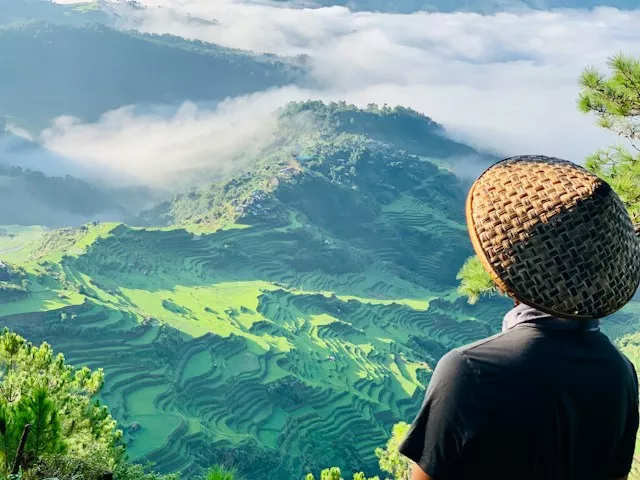
The Philippines made one of the biggest visa-policy changes on this entire list in 2026: from June, Indian passport holders can now enter visa-free, opening up over 7,000 islands' worth of lagoons, beaches, and diving spots that were previously gated behind a visa application most Indian travellers found more hassle than it was worth.
Visa and entry for Philippines: Visa-free entry for Indians as of June 2026, for tourist stays (check the current permitted duration on the official Bureau of Immigration site before booking, since this is a newly introduced policy still settling into its final form).
The mandatory eTravel rule: Even with visa-free entry, there is one strict digital requirement you cannot skip. Every single traveller must fill out the free eTravel declaration online within 72 hours (3 days) before their arrival. This digital form replaces the old paper arrival cards. Once completed, it generates a QR code. Make sure to save this on your phone, as airlines will strictly check it in India before letting you board, and immigration will scan it when you land.
How to reach: No direct flights from India; the standard connection routes through Singapore, Bangkok, or Hong Kong to Manila or Cebu, with total travel time around 8-9 hours including the layover.
Currency and costs: The Philippine Peso (PHP) keeps daily costs moderate — ₹2,000-3,500 covers a clean hotel or resort in a non-premium location, local "carinderia" food, and inter-island ferries, though domestic flights and boat transfers between islands add up quickly and should be budgeted for separately from daily living costs.
Best time to visit: December to May is the dry season and by far the best window, both for weather and to avoid the country's typhoon season, which peaks from June to November.
Things to do: Palawan is the headline destination — El Nido's lagoons (Big and Small Lagoon in particular) are reached by island-hopping boat tours that are near-mandatory for any Palawan itinerary, and Coron's WWII shipwreck diving sites are considered among the best wreck-diving locations in the world. Cebu combines Kawasan Falls canyoneering with whale shark encounters at Oslob (choose an operator that follows responsible-tourism guidelines, since this has been a controversial practice). Bohol's Chocolate Hills — over 1,200 near-identical cone-shaped hills that turn brown in the dry season, giving them their name — and its resident tarsiers (among the world's smallest primates) round out a well-paced multi-island trip.
Food: Adobo (meat braised in vinegar, soy sauce, and garlic) is the closest thing the Philippines has to a national dish, alongside lechon (whole roast pig, a fixture at celebrations) and halo-halo, a shaved-ice dessert loaded with sweet toppings that's essential in the tropical heat.
Good to know: Because the Philippines is genuinely an island nation rather than one landmass, trip planning here is less about "which city" and more about "which island cluster" — Palawan, Cebu-Bohol, and Manila-adjacent day trips are usually treated as separate mini-trips rather than combined into one itinerary, since inter-island transfers eat significant time. English is very widely spoken, which makes the Philippines one of the more immediately comfortable destinations on this list for first-time solo or small-group Indian travellers. Given how new the visa-free policy is, it's worth double-checking the latest permitted stay duration and any entry requirements on the official Philippine Bureau of Immigration website shortly before travel, since newly introduced policies sometimes get fine-tuned in their first year.
TravelTech package: Our Philippines Group Tour Packages are being finalised around the new visa-free policy — [message us on WhatsApp] for the earliest departure dates as this destination opens up.
13. Turkey
Turkey bridges two continents, literally, and offers one of the most visually varied trips on this list — Istanbul's Byzantine and Ottoman history, Cappadocia's surreal rock-cut landscape best seen from a hot-air balloon at sunrise, and Pamukkale's white travertine terraces, all at a cost that undercuts Western Europe significantly while delivering comparable "wow" sightseeing.
Visa and entry for Turkey: Getting a Turkey visa requires careful planning, as there is a major condition you must know about. You are eligible for the quick online e-Visa ONLY if you already hold a valid visa or residence permit from the US, UK, Ireland, or a Schengen country.
If you do not have one of these, you cannot apply online. Instead, you must apply for a standard Sticker Visa through an authorised visa application centre well in advance. This traditional process requires proper paperwork (like your bank statements, ITR, and travel insurance) and typically takes 10 to 15 working days to process. Because of these strict rules, absolutely do not book your non-refundable flights until you have completely figured out which visa process applies to you.
How to reach: Turkish Airlines and Air India operate direct flights to Istanbul from Delhi and Mumbai, around 7-8 hours — one of the longer flight times on this list, though still shorter than most of Western Europe.
Currency and costs: The Turkish Lira (TRY) has seen significant depreciation in recent years, which has made Turkey noticeably more affordable for foreign travellers than its European-adjacent reputation suggests. ₹3,000-5,000 a day covers a solid 3-star hotel, restaurant meals (not just street food), and intercity transport including Turkey's excellent domestic flight network for reaching Cappadocia.
Best time to visit: April to June and September to November offer the most comfortable weather across the country, avoiding both Istanbul's damp winter and the peak summer heat in central and southern Turkey.
Things to do: Istanbul alone justifies 3-4 days — the Hagia Sophia, the Blue Mosque, Topkapi Palace, and the Grand Bazaar (one of the oldest and largest covered markets in the world) sit within walking distance of each other in the old city, while a Bosphorus cruise offers the classic view of Istanbul straddling Europe and Asia. Cappadocia's hot-air balloon rides over the fairy chimneys and cave-dwelling landscape are one of the most photographed experiences in the world and worth booking well in advance given limited daily balloon slots. Pamukkale's white calcium terraces and the adjoining ancient ruins of Hierapolis make for a strong day trip from Denizli, and the ancient city of Ephesus near Izmir is among the best-preserved Roman cities anywhere.
Food: Turkish cuisine is one of the great cuisines of the world — kebabs, mezze platters, Turkish breakfast spreads (an event in itself, not just a meal), baklava, and Turkish tea served in tulip-shaped glasses everywhere you go.
Good to know: Istanbul's public transport (the Istanbulkart, a single rechargeable card covering trams, the metro, buses, and ferries) makes the city genuinely easy to navigate independently, unlike some other entries on this list where organised transport is close to essential. Domestic flights between Istanbul and Cappadocia (Kayseri or Nevşehir airports) or Denizli for Pamukkale are cheap and frequent, and generally a better use of time than the longer overland bus alternative. Turkey straddling two continents means the sightseeing pace can feel more "Europe" than "Southeast Asia" — expect more museum and history-heavy days and fewer beach-lounging ones, which suits travellers looking for a change of pace from the rest of this list.
TravelTech package: Our Turkey Group Tour Packages cover the Istanbul-Cappadocia-Pamukkale circuit, typically 6N/7D, with the balloon ride and Bosphorus cruise built into the itinerary.
14. Myanmar
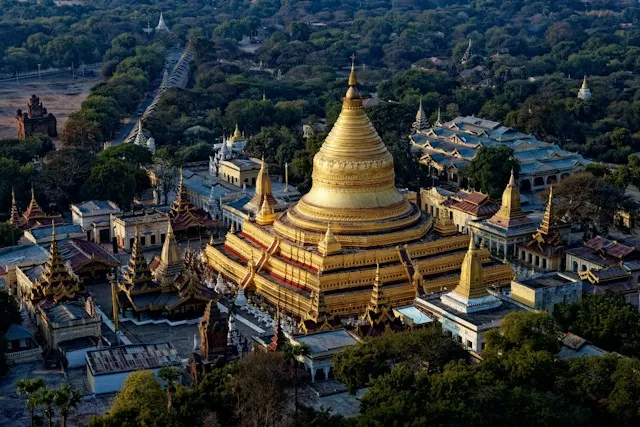
Myanmar is one of the least-visited countries on this list by Indian travellers, which is exactly its appeal for anyone tired of crowded tourist circuits — Bagan's plain of over 2,000 ancient temples, best seen from a hot-air balloon or a sunrise viewpoint, remains one of Southeast Asia's most underrated sights.
Visa and entry for Myanmar: Indian passport holders now have two convenient options to enter Myanmar. You can either get a Visa on Arrival at major international airports (like Yangon and Mandalay) or apply for an e-Visa online in advance. Getting the e-Visa through Myanmar's official portal is highly recommended, as it typically takes just 3 working days to process and guarantees a much smoother, queue-free exit at the airport.
Important Entry Requirements: Whichever option you choose, ensure your passport has at least six months of validity. Immigration officers will also strictly check for a confirmed return flight ticket, your hotel accommodation proof, and valid travel insurance, so keep these documents completely ready.
How to reach: Direct flights connect Kolkata and Delhi with Yangon, around 2-3 hours — among the shortest flight times on this entire list, which makes Myanmar a genuinely convenient option for travellers based in Eastern India specifically.
Currency and costs: The Myanmar Kyat (MMK) keeps this one of the cheapest countries on the list day-to-day, alongside Cambodia and Laos — ₹1,500-2,500 covers guesthouse stays, local food, and domestic transport.
Best time to visit: November to February is the cool, dry season and the best window for both Bagan's temple-hopping and Yangon's city sightseeing, avoiding both the summer heat and monsoon rains.
Things to do: Bagan's temple plain is the singular reason to visit — renting an e-bike and spending a full day (or two) riding between the thousands of pagodas scattered across the plain, with sunrise and sunset at temples like Shwesandaw Pagoda offering some of the most striking light in Southeast Asian travel photography. Yangon's Shwedagon Pagoda, a gold-plated stupa visible from much of the city, is at its most striking in the evening when it's lit up. Inle Lake, further south, offers a distinctive floating-village culture, including fishermen who row with one leg in a technique found nowhere else in the world.
Food: Myanmar's cuisine draws on Indian, Chinese, and Thai influences — mohinga (a fish-based noodle soup, often called the national dish) and tea-leaf salad (a genuinely unusual, fermented-tea-leaf dish unique to the country) are the two dishes worth actively seeking out.
Good to know: Tourism infrastructure here is noticeably less developed than Thailand or Vietnam, which is part of the appeal but also means fewer English-speaking staff outside main hotels, patchier internet, and card payments that are far less reliable — carry more cash than you would elsewhere on this list. It's worth checking current travel advisories before finalising a Myanmar trip, since parts of the country outside the main Yangon-Bagan-Inle Lake tourist corridor have periodically faced restricted access. Domestic flights connect Yangon, Bagan, and Inle Lake reasonably cheaply and are the standard way to cover the country in a single week without long overland travel days.
15. Lebanon
Lebanon is included on this list because it genuinely does offer visa-on-arrival access for Indians and, on paper, a rich combination of Mediterranean coastline, Roman ruins, and a food culture (hummus, tabbouleh, manakish) that's influenced cuisines across the world. It's also the one country on this list where we're flagging a serious caveat rather than encouraging immediate booking.
Visa and entry for Lebanon: While Indian passport holders can technically get a free Visa on Arrival at Beirut's Rafic Hariri International Airport, it comes with very strict conditions. To get the visa approved, immigration officers typically require you to show a confirmed return flight, a prepaid hotel booking, and proof of sufficient funds (often requiring you to carry around USD 2,000 in cash).
Crucial Security Warning: However, getting the visa should be the least of your concerns right now. The geopolitical and security situation in Lebanon has been highly volatile and unpredictable. The Indian Ministry of External Affairs (MEA) frequently issues strong travel advisories against non-essential travel to the region. Before even thinking about booking flights or hotels, you must check the latest official government safety warnings. For this destination, personal safety has to take complete priority over travel plans.
The advisory: The Indian Ministry of External Affairs has, at various points, advised against non-essential travel to Lebanon given regional instability. This status can change, in either direction, faster than most other entries on this list, so treat anything written here as informational rather than a current recommendation. Anyone seriously considering Lebanon should check the MEA's official travel advisory page directly before making any booking or travel decision, not rely on a travel blog for current safety status.
How to reach: When travel is viable, Beirut is typically reached via a connection through Dubai, Doha, or Istanbul, with total travel time around 8-9 hours including the layover.
Currency and costs: The Lebanese Pound (LBP) has experienced severe volatility, and US Dollars are used for most tourist transactions as a result. A hypothetical daily budget of ₹2,000-3,500 is a reasonable planning figure, but currency and pricing conditions here are less stable than anywhere else on this list.
What draws travellers here, on paper: Beirut's blend of Mediterranean coastline and French-influenced old-town architecture, the Roman ruins at Baalbek (among the best-preserved in the world), and a food culture — hummus, tabbouleh, manakish, and Lebanese wine from the Bekaa Valley — that has shaped Middle Eastern and Mediterranean cuisine globally, are genuinely part of why Lebanon has historically drawn travellers well beyond its size. None of that changes the current safety calculus, which is why this entry stays informational rather than a package listing.
Why we're flagging this differently from every other country on this list: Every other entry here gets an active TravelTech package and a "when to go" recommendation. Lebanon doesn't, deliberately. We'd rather list the country honestly, with the caveat attached, than either drop it from a "20 cheapest countries" roundup where it factually qualifies, or recommend it without the context that matters most for a safe trip.
TravelTech package: We are not currently running group departures to Lebanon given the advisory status. [Message us on WhatsApp] if you'd like to be notified when and if this changes, rather than booking independently in the meantime.
16. Hong Kong
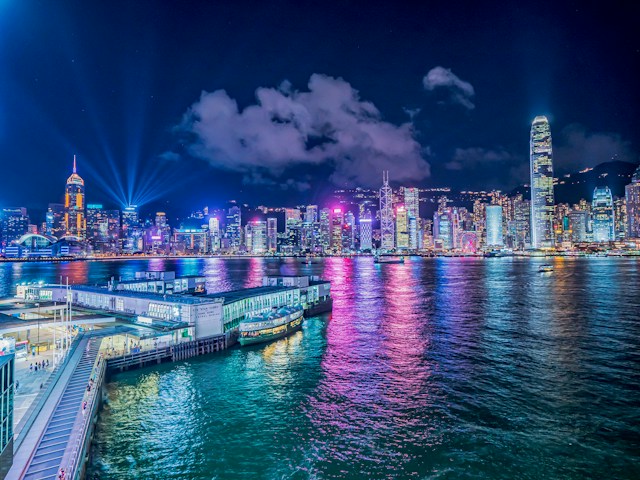
Hong Kong offers a dense, walkable, visa-free city break that packs Victoria Peak's skyline views, Disneyland, and one of the best street-food and dim sum scenes in the world into a trip that rarely needs more than 4-5 days.
Visa and entry for Hong Kong: While Hong Kong does offer a fantastic 14-day visa-free entry to Indian passport holders for tourism, assuming you can just pack your bags and go is a big mistake. You cannot just show up at the airport with your passport.
The Mandatory PAR Rule: Before booking your flights, every Indian traveller must apply for a Pre-Arrival Registration (PAR) online. You need to fill this out on the official Hong Kong Immigration Department portal. The good news is that it is completely free and usually gives you an instant approval.
Crucial tip: You MUST print the approved PAR slip on a blank A4 paper. You need to show this physical printout along with your passport and return tickets at the check-in counter in India, otherwise, you will be denied boarding. Once approved, this PAR is valid for six months for multiple visits!
How to reach: Direct flights connect Hong Kong International Airport with Delhi and Mumbai, around 6-7 hours.
Currency and costs: The Hong Kong Dollar (HKD) makes this one of the pricier entries on this list at ₹4,000-7,000 a day, though the excellent Octopus card public transport system (covering the MTR metro, trams, and the iconic Star Ferry across Victoria Harbour) keeps getting-around costs low even as food and shopping can climb quickly if unchecked.
Best time to visit: October to December offers the most comfortable weather — cooler, drier, and less humid than the summer months, which bring both heat and typhoon risk.
Things to do: The Peak Tram up to Victoria Peak, especially at dusk as the city's skyline lights up, is the essential Hong Kong experience. Hong Kong Disneyland is smaller and more manageable in a single day than its US or other Asian counterparts, making it genuinely feasible as a day trip rather than a multi-day commitment. Temple Street Night Market covers street food, fortune tellers, and bargain shopping in one atmospheric evening. The Big Buddha (Tian Tan Buddha) on Lantau Island, reached by a scenic cable car ride, pairs well with a visit to the nearby fishing village of Tai O.
Food: Dim sum is the defining Hong Kong food experience — go early to a proper dim sum restaurant (not a tourist-trap version) for the full trolley-cart experience. Egg waffles, roast goose, and the city's famous cha chaan teng (Hong Kong-style cafés serving a East-meets-West menu) round out a food-focused itinerary.
Good to know: Hong Kong's MTR metro is one of the most efficient and easy-to-navigate systems in Asia, and the Octopus card doubles as payment at convenience stores and even some restaurants, making it worth picking up on arrival regardless of trip length. The city's density means walking (often via elevated walkways and escalator systems like the famous Mid-Levels escalator) is frequently faster than a taxi for short hops. Hong Kong Disneyland tickets are worth buying online in advance for both cost savings and to skip the main-gate queue. A well-paced 5-night trip splits city time (Victoria Peak, Temple Street, Central district) across 3 nights and a single dedicated Disneyland or Lantau Island day for the remaining time.
17. UAE (Dubai)
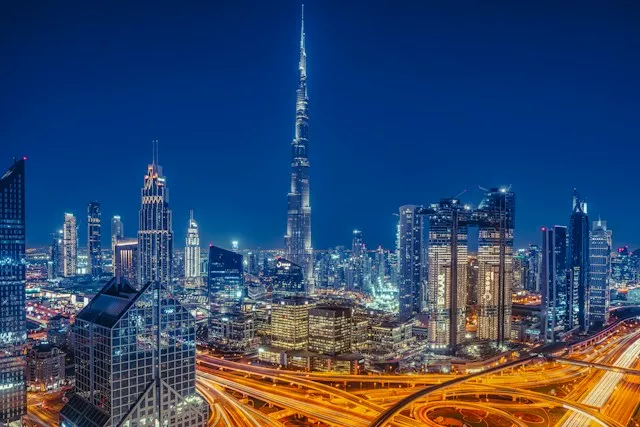
Dubai remains one of the most popular and reliable international trips from India — modern infrastructure, direct flights from nearly every Indian city, a large resident Indian community that makes the city feel immediately familiar, and a shopping and entertainment scene built to accommodate every budget level from backpacker to five-star. We've covered Dubai, Abu Dhabi, desert safaris, and the full visa process in detail in a dedicated guide, but the essentials:
Visa and entry for UAE: Most Indians need a UAE e-visa, applied for in advance. Visa-on-arrival only applies to Indian passport holders who already hold a valid US, UK, or EU visa (or equivalent), which is a meaningful minority of travellers, not the default case, so don't assume visa-on-arrival applies without checking your own visa history first.
How to reach: Direct flights connect Dubai with essentially every major and mid-size Indian city, ranging from 3 to 4.5 hours depending on origin — one of the most convenient and frequent flight corridors on this entire list.
Currency and costs: The UAE Dirham (AED) is pegged to the US Dollar, and Dubai's cost profile ranges widely by choice — ₹3,500-6,000 a day covers a solid 3-4 star hotel, metro travel, and a mix of street food and mid-range restaurants, though the city is equally happy to accommodate a five-star, unlimited-shopping budget if that's the trip you're planning.
Best time to visit: November to March offers comfortable outdoor temperatures for desert safaris and old Dubai walking tours; the summer months (June-September) bring extreme heat that pushes most activity indoors or into evening hours.
Things to do: The Burj Khalifa's observation decks, the Dubai Mall's aquarium and fountain shows, and a desert safari combining dune bashing, camel rides, and a Bedouin-style dinner under the stars form the classic first-timer's circuit. Old Dubai — the gold and spice souks, and an abra (wooden boat) crossing of Dubai Creek — offers a genuinely different, more traditional side of the city that many first-time visitors skip in favour of the newer districts, to their loss. Abu Dhabi, roughly 90 minutes away, is a common day trip for the Sheikh Zayed Grand Mosque and Ferrari World, and worth building into a Dubai itinerary rather than treating as a separate trip.
Food: Dubai's dining scene spans everything from shawarma stalls to Michelin-starred restaurants, with a large resident Indian population meaning excellent, authentic Indian food is never more than a short drive away, a comfort many first-time international travellers specifically appreciate here.
TravelTech package: See our complete Dubai Travel Guide for Indians for the full visa breakdown, and our Dubai Tour Packages for current departures covering desert safaris, Burj Khalifa, and Abu Dhabi day trips, typically run as 4N/5D or 5N/6D group departures with all entry tickets pre-booked.
18. Kenya
Kenya offers the most accessible safari experience on this list for Indian travellers — a relatively short flight from Mumbai, a straightforward (if newly mandatory) entry process, and the Maasai Mara's annual wildebeest migration, one of the great wildlife spectacles on Earth.
Visa and entry for Kenya: Kenya has replaced its previous visa system entirely with a mandatory Electronic Travel Authorisation (eTA) for all visitors, Indians included, applied for online before travel. This is a newer system, so building in a few extra days of buffer before your flight for processing is worth doing even though official turnaround times are usually quick.
How to reach: Kenya Airways and other carriers run direct flights from Mumbai to Nairobi, around 5.5 hours — travellers from other Indian cities usually connect via Mumbai or Dubai.
Currency and costs: The Kenyan Shilling (KES) is the local currency, though safari lodges and parks often quote directly in USD. Safari packages (park fees, lodge stays, game drives) form the bulk of the cost here — independent budget travel outside a safari itinerary is possible but requires considerably more planning than the Southeast Asian entries on this list, which is why most Indian travellers book Kenya as a structured tour rather than independently.
Best time to visit: June to October is peak safari season, coinciding with the Great Migration's river crossings in the Maasai Mara, when millions of wildebeest and zebra cross crocodile-infested rivers in one of nature's most dramatic annual events.
Things to do: The Maasai Mara National Reserve is the headline destination — multi-day game drives here offer strong odds of spotting all of the "Big Five" (lion, leopard, elephant, buffalo, rhino) alongside cheetahs and the seasonal migration herds. Nairobi National Park is a unique addition to any Kenya itinerary precisely because it sits at the edge of the capital city, offering game drives with a skyline backdrop found nowhere else. The Giraffe Centre and David Sheldrick Wildlife Trust (an elephant orphanage) in Nairobi are worth a half-day for travellers not doing an extended safari.
Food: Nyama choma (grilled meat, usually goat or beef) is the centrepiece of Kenyan dining culture, alongside ugali (a maize-based staple) and ample fresh fruit. Most safari lodges cater to international palates with buffet-style meals, so food adventurousness is optional here compared to some other entries on this list.
Good to know: Yellow fever vaccination requirements depend on your travel history rather than being universal for Indian travellers, so check current entry health requirements alongside the eTA rather than assuming one covers the other. Safari lodges range from budget tented camps to ultra-luxury, and mid-range group tours generally offer the best value-to-experience ratio, since game-drive quality depends more on guide expertise and vehicle access than on room luxury. Malaria prophylaxis is generally recommended for the Maasai Mara region, worth discussing with a doctor a few weeks before travel rather than at the airport. Most Indian travellers combine Kenya with a short Zanzibar or Mombasa beach extension to balance the safari's early-morning game drives with a slower, coastal close to the trip.
19. Taiwan
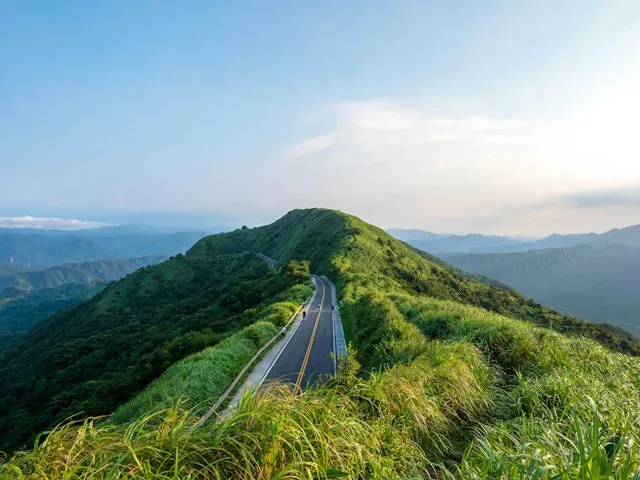
Taiwan remains a relatively under-the-radar choice for Indian travellers, but it offers a genuinely compelling mix of Taipei's night market culture, dramatic gorge scenery, and a mountain lake circuit, all at costs noticeably below its more famous East Asian neighbours like Japan and South Korea.
Visa and entry for Taiwan: Taiwan does not offer a standard online e-visa to all Indian tourists, so you need to be very careful before booking your flights.
The Online TAC Exception: You can easily get a free online Travel Authorization Certificate (TAC) if you possess a valid (or expired within the last 10 years) visa or residence permit from the US, UK, Canada, Japan, Korea, Australia, New Zealand, or a Schengen country. This is instantly processed online.
Standard Sticker Visa: If you do not have any of these specific visas, the online portal won't work for you. You will need to apply for a standard Visitor Visa through the Taipei Economic and Cultural Center (TECC). This requires substantial paperwork—including your bank statements, ITR, and an employment NOC—and the processing can take a week or more. Make sure you confirm your exact visa eligibility before finalizing any non-refundable bookings!
How to reach: No direct flights from India; the standard route connects via Hong Kong, Bangkok, or Singapore to Taipei, with total travel time around 8-9 hours including the layover.
Currency and costs: The New Taiwan Dollar (TWD) keeps costs at ₹3,000-5,000 a day — comparable to Turkey on this list, and noticeably cheaper than Japan for a broadly similar East Asian city-and-nature combination, particularly on food, where Taiwan's night markets offer some of the best cheap eats in Asia.
Best time to visit: October to December offers the most comfortable weather, avoiding both the summer humidity and the typhoon season that peaks from July to September.
Things to do: Taipei's night markets (Shilin and Raohe in particular) are the essential evening activity — stinky tofu, bubble tea (invented in Taiwan), and beef noodle soup are the dishes to try. Taroko Gorge, a marble-walled canyon on the east coast, offers some of the most dramatic hiking trails in East Asia, with well-maintained paths suitable for a range of fitness levels. Sun Moon Lake, Taiwan's largest lake, combines a cable car ride, a bike path circling the water, and nearby indigenous Thao culture sites into an easy 1-2 day addition to a Taipei-based trip. Taipei 101, once the world's tallest building, remains a strong observation-deck option for skyline views.
Food: Beyond the night market staples, Taiwan's dim sum and xiaolongbao (soup dumplings) rival Hong Kong's, and the island's tea culture (particularly high-mountain oolong) is worth exploring beyond the ubiquitous bubble tea shops.
Good to know: Taiwan's High Speed Rail connects Taipei to the south of the island in a fraction of the time a bus would take, and is worth booking in advance for longer day trips beyond the Taipei-Sun Moon Lake-Taroko core circuit. Taiwan remains one of the safest and most orderly destinations on this entire list for solo and first-time international travellers, with an extremely low petty-crime rate and near-universal English signage on public transport. EasyCard, the contactless transport card, works across Taipei's MRT, buses, and even convenience store purchases, and is worth picking up on arrival regardless of trip length. Because there's no direct flight, it's worth checking whether your layover city (Hong Kong, Bangkok, or Singapore) is worth a short stopover extension rather than treating it purely as transit time.
20. Laos
Laos closes out this list as one of its quietest, cheapest, and most understated entries — no direct flights, no visa-free entry, and none of the crowds that now define much of Thailand and Vietnam's tourist circuits, which is precisely the appeal for travellers who've already done the region's bigger-name stops.
Visa and entry: Laos offers a visa on arrival to Indian passport holders at its main international airports and land border crossings, processed with a passport photo and the visa fee paid in cash (USD is widely accepted).
How to reach: No direct flights from India; travellers typically connect via Bangkok or Hanoi to Vientiane (the capital) or Luang Prabang, with total travel time around 7-8 hours including the layover.
Currency and costs: The Lao Kip (LAK) keeps this one of the most budget-friendly countries on the entire list — dorm beds under ₹800, street meals under ₹200, and a realistic daily budget of ₹1,500-2,500 covering considerably more comfort than that figure suggests elsewhere in the world.
Best time to visit: November to February is the cool, dry season and the most comfortable window for both temple visits and any trekking in the northern hills.
Things to do: Luang Prabang, a UNESCO World Heritage town at the confluence of the Mekong and Nam Khan rivers, is the country's cultural centrepiece — the daily alms-giving ceremony at dawn, where saffron-robed monks collect food from kneeling locals and respectful visitors, is one of the most quietly moving travel experiences in Southeast Asia (observe without flash photography or disruptive behaviour, since this is a living religious practice, not a staged tourist event). The Kuang Si Falls, a multi-tiered turquoise waterfall just outside Luang Prabang, offers swimming pools carved naturally into the limestone. The Plain of Jars, near Phonsavan, is an archaeological mystery — thousands of massive stone jars scattered across a plateau, with their original purpose still debated by historians, set against a landscape still scarred by unexploded ordnance from the Vietnam War era (always stay on marked paths in this region).
Food: Laotian cuisine centres on sticky rice, eaten by hand and paired with laap (a minced meat or vegetable salad with herbs and lime, considered the national dish) and a general use of fresh herbs that distinguishes it from its Thai and Vietnamese neighbours.
Good to know: Laos remains one of the least commercially developed countries on this list, which means fewer ATMs and card-accepting businesses outside Luang Prabang and Vientiane — carry more cash (USD is widely accepted alongside Kip) than you would in neighbouring Thailand or Vietnam. The country's slower pace and lighter tourist infrastructure suit travellers who've already covered the region's bigger names and want something unhurried rather than first-time Southeast Asia visitors looking for a packed sightseeing schedule. Because Laos is landlocked and mountainous, road travel between towns takes noticeably longer than distances on a map suggest, so build in more transit time than you would for a similar-looking Thailand or Vietnam itinerary.
Quick Comparison: Visa & Daily Budget
Country | Visa for Indians | Approx. daily budget (stay + food) |
Nepal | Visa-free (Passport or Voter ID) | ₹1,500–2,500 |
Bhutan | Visa-free (₹1,200/day SDF fee applies) | ₹3,000–4,500 (SDF included) |
Sri Lanka | Free ETA (Apply online) | ₹1,500–3,000 |
Thailand | Visa-free for 30 days | ₹2,000–3,500 |
Vietnam | E-visa required | ₹2,500–4,000 |
Malaysia | Visa-free for 30 days (MDAC required) | ₹2,000–3,500 |
Singapore | E-visa required (Apply via agent) | ₹4,000–7,000 |
Indonesia (Bali) | Visa on arrival (e-CD required) | ₹2,000–3,500 |
Maldives | Free Visa on arrival (IMUGA required) | ₹3,000–6,000+ |
Seychelles | Visa-free (Paid online Travel Auth. required) | ₹4,000–7,000 |
Cambodia | E-visa (Recommended) / Visa on arrival | ₹1,500–2,500 |
Philippines | Visa-free for 14 days (eTravel required) | ₹2,000–3,500 |
Turkey | Sticker Visa (E-visa only for US/UK/Schengen valid visa holders) | ₹3,000–5,000 |
Myanmar | E-visa (Recommended) / Visa on arrival | ₹1,500–2,500 |
Lebanon | Visa on arrival (Check MEA safety advisories first) | ₹2,000–3,500 |
Hong Kong | Visa-free (Mandatory online PAR required) | ₹4,000–7,000 |
UAE (Dubai) | E-visa required | ₹3,500–6,000 |
Kenya | eTA required (Apply online in advance) | ₹3,000–5,000 |
Taiwan | Sticker Visa (Free TAC only for US/UK/Schengen/Japan valid visa holders) | ₹3,000–5,000 |
Laos | E-visa (Recommended) / Visa on arrival | ₹1,500–2,500 |
Budgets are per person per day for mid-range travel, excluding flights. Prices shift with season and exchange rate, so treat these as planning ranges.
Common Mistakes When Planning a Budget International Trip
Assuming "visa-free" means no paperwork at all. Thailand and Malaysia both require an online arrival card even though no visa is needed. Missing it can mean being turned back at check-in.
Booking flights before checking the visa timeline. E-visa countries like Vietnam, Turkey, and Myanmar need a few days to a few weeks of lead time. Don't lock in non-refundable flights before that's sorted.
Ignoring the exchange rate. A "cheap" country can stop being cheap if you don't track the local currency against the rupee before you go.
Skipping travel insurance to save money. It's one of the smallest line items on a budget trip and the one most likely to matter if something goes wrong.
Why Plan Your International Trip with TravelTech?
Planning a trip abroad can quickly turn into a full-time job—comparing flights, figuring out complex visa rules, tracking exchange rates, and coordinating hotel transfers.
At TravelTech, we believe your only job on a vacation should be packing your bags and actually enjoying the destination. We take the headache out of international travel by handling every single detail for you:
100% Customisable Itineraries: Don't want a rigid group tour? We design bespoke itineraries tailored entirely to your pace, preferences, and budget.
End-to-End Booking: From securing the best flight connections to handpicking safe, high-quality hotels and arranging smooth airport transfers, we manage it all.
Expert Visa Assistance: Navigating e-visas, sticker visas, and mandatory digital arrival forms can be incredibly stressful. Our experts handle the complex paperwork so you never face any nasty surprises at immigration.
Zero Stress, Maximum Vacation: Forget the spreadsheets and endless research. We plan the logistics; you collect the memories.
Ready to turn your dream trip into reality? 🌍 [Explore all our completely Customisable International Tour Packages Here]
📞 Have a destination in mind? Contact Us today!
Browse all International Tour Packages Nepal Group Tour Packages Bhutan Group Tour Packages Sri Lanka Group Tour Packages Thailand Group Tour Packages Vietnam Group Tour Packages Malaysia Group Tour Packages Singapore Group Tour Packages Bali Group Tour Packages Maldives Group Tour Packages Seychelles Group Tour Packages Cambodia Group Tour Packages Philippines Group Tour Packages Turkey Group Tour Packages Myanmar Group Tour Packages Hong Kong Group Tour Packages Dubai Tour Packages Kenya Safari Packages Taiwan Group Tour Packages Laos Group Tour Packages
728 × 90 — Leaderboard
❓ Frequently Asked Questions
Which country is best for a first international trip on a budget?
Which is the cheapest country to visit from India?
Which countries are visa-free for Indians?
Is Thailand really visa-free now for Indians?
Vietnam vs Thailand — which has better food and sightseeing for the cost?
Is it cheaper to book these trips independently or through a group package?
Which country needs the least paperwork for Indians?
Which country is best for a solo trip from India on a tight budget?
Which visa-free countries are best for Indians in 2026?
Which is the best budget beach destination for Indians — Thailand, Bali, or Sri Lanka?
Dubai vs Thailand — which is better for a short 4-day trip from India?
Cambodia vs Vietnam — which is cheaper to visit from India?
Maldives vs Seychelles — which is the more budget-friendly island destination?
Thailand vs Bali — which is cheaper for Indians?
Which of these countries is best for a honeymoon on a budget?
Nepal vs Bhutan — which is cheaper?
Sri Lanka vs Thailand — which is better for a first international trip?
Malaysia vs Singapore — which is more affordable?
📚 Related Guides
More Travel Stories
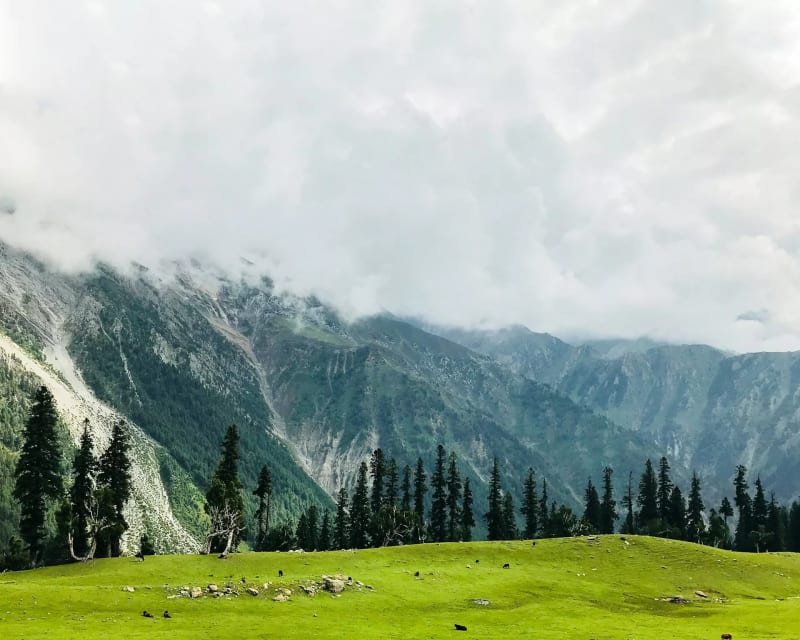
7 Days in Kashmir: More Than a Postcard, A Journey You'll Remember
Kashmir Stranger Group Trip | 7 Days with New Travel Companions
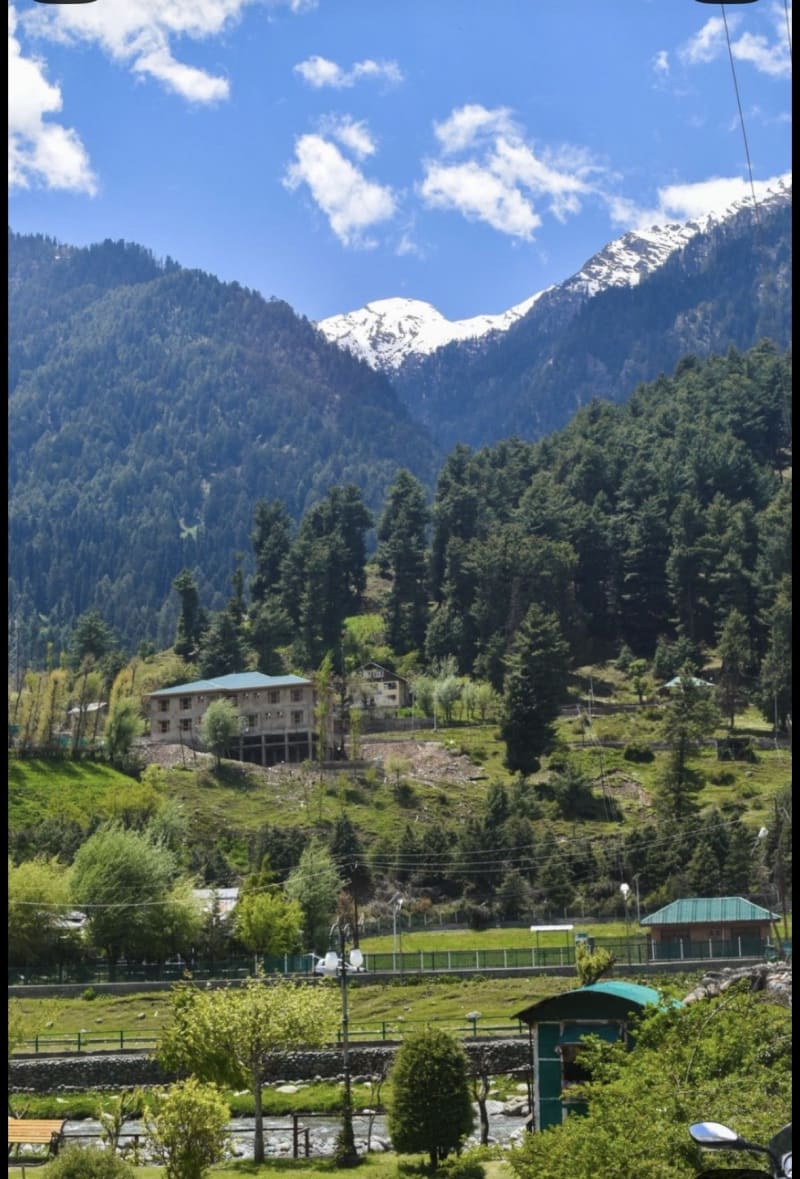
Tirthan Valley Unveiled: A Quiet Escape in Himachal Pradesh
Plan a Tirthan Valley trip with this practical guide covering places to visit, things to do, weather, food, itinerary, costs and travel tips.
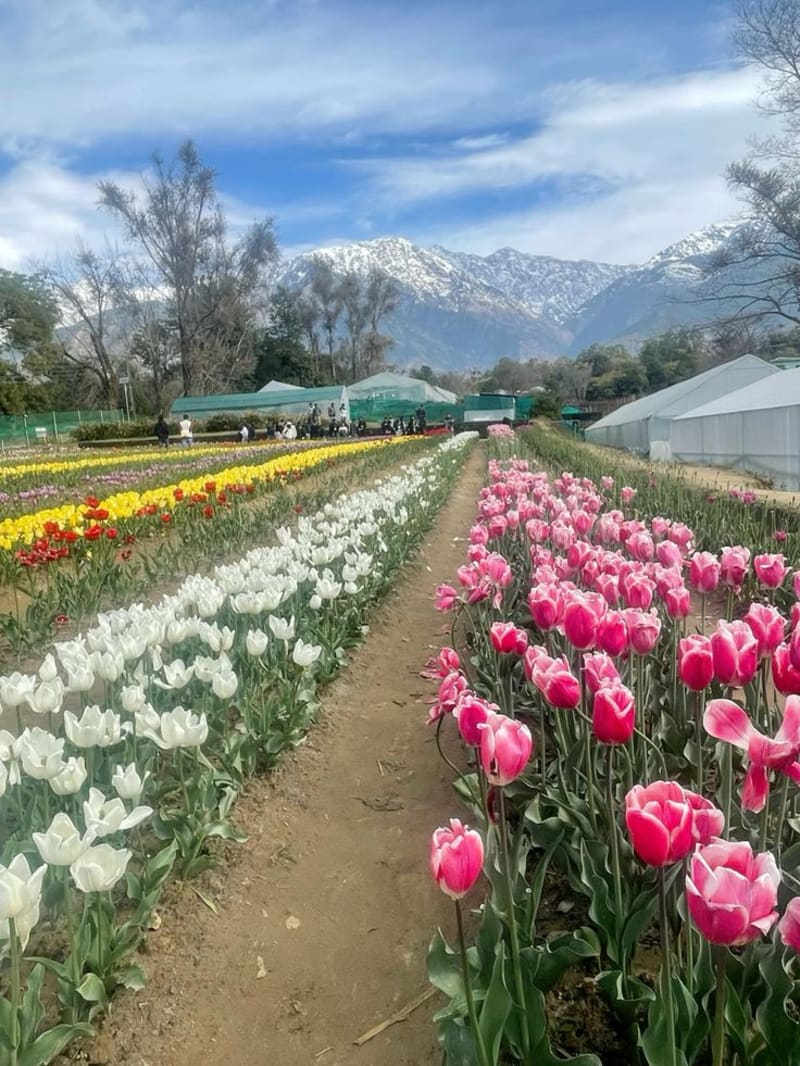
Palampur Travel Guide: Tea Gardens, Dhauladhars & Kangra Culture
Planning a Palampur trip? Discover the best places to visit, tea gardens, things to do, travel tips and everything you need to know before you go.